As part of the All Hands on the Don project, we have reintroduced two species back to the River Don, True Fox Sedge and the Wild Tulip. Read our latest blog by Sally Hyslop to find out more…
We are considered a nature-depleted nation. Habitat loss, intensive farming, pollution, climate change and unsustainable practices mean that less than half of the UK’s original biodiversity remains. The UK still has over 70,000 species, yet the abundance of many species is in decline.
Reintroducing species back to areas where they were once found can help recolonise lost populations, increase species abundance and improve overall biodiversity. For healthy, stable and resilient ecosystems, biodiversity is essential.
Reintroduction of True Fox Sedge to Great Ings, Fishlake
Species – True Fox Sedge, Carex vulpina
A stout-stemmed and densely tufted perennial sedge. Wide, flat and bright-green leaves can be seen throughout the year, on stems that are sharply three-angled. When flowering, June-July, it bears dense clusters of reddish-brown flowers, followed by oval, brown fruits, July-August.
Conservation status
Classified as Vulnerable on the Vascular Plant Red Data List for Great Britain. Priority Species under the UK Post-2010 Biodiversity Framework. This rare species’ decline is linked to the general decline in wetland habitat and increase in scrub across the UK.
Habitat
This species can be found in the Weald, Midlands and Yorkshire. It is often associated with alkaline clay soils on floodplains, lowland wet ditches, ponds and river margins.
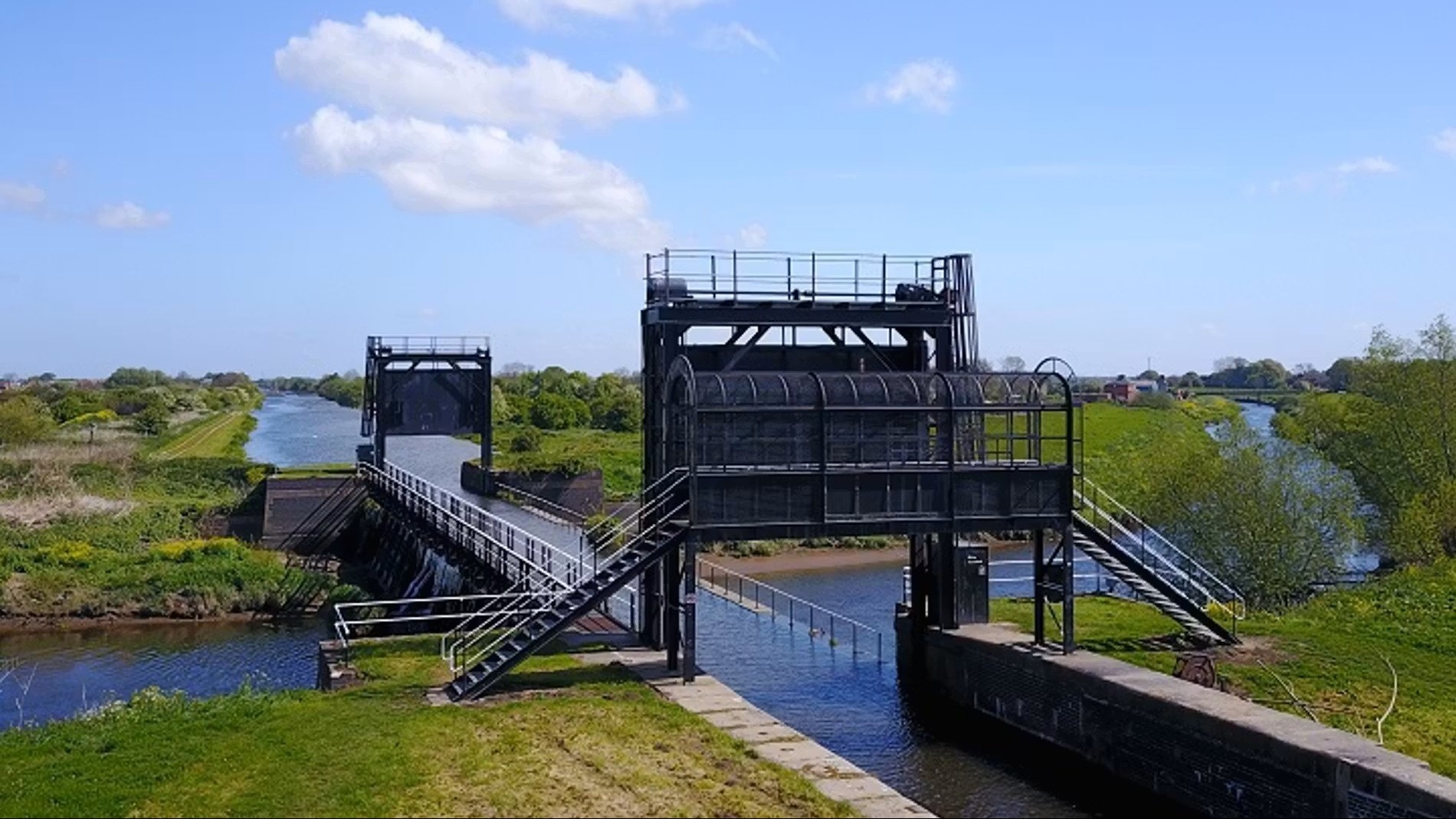
Botanical surveys of Great Ings, a wetland area of the Don, by the Doncaster Naturalists and DCRT in 2024 and 2025 found no evidence of this species at Great Ings. As records for this species are found nearby, Great Ings was a good potential site for reintroduction, particularly alongside DCRT’s planned restoration of the Great Ings wetland scheme. The site landowners, the Environment Agency, gave DCRT permission to reintroduce this special plant.
Reintroduction
On 13th October 2025 volunteers planted 13 True Fox Sedge plants. The plants were sourced and grown from local seed stock by Louise Hill, from Doncaster Naturalists Society, ready for planting.
“Seed was gathered with landowner permission and grown on over a couple of years to produce many young plants that are now ready to be returned to the Fishlake area. It is hoped to secure a new colony of this rare sedge on the washlands. Hopefully they will be able to produce their own seed and create a self-sustaining population.” Louise Hill, Botanist


Reintroduction of the Wild Tulip to the Don Gorge, Sprotbrough
Species – Wild Tulip, Tulipa Sylvestris
A small and fragrant tulip. A perennial species that grows through bulbs and runners. Bright, lemon-yellow flowers that bloom in spring, on slender stems, growing about 10-25cm tall.
Habitat
Also called the woodland tulip, it can be found in shady woodlands as well as grasslands, orchards and riversides.
Conservation Status
The Wild Tulip is an introduced species, native to the mountains of Central Asia and considered a neophyte in the UK. It was formerly cultivated in Britain in the 16th century, and was frequently found naturalised in the wild by the late 18th to 19th century. Established populations persist from old garden escapes, but are declining due to land management changes.
Timelines of records of the flower, show that it was spotted regularly on the river Don, until the 1960s, when it declined dramatically.

A botanist called Lesley Smith visited the Don sites up to the mid 1960s describing its location as “a riverside pasture on the Warmsworth/Hexthorpe (south) bank of the Don, up stream of where the current A1M road bridge spans the Don Gorge. The plants were not seen after the bridge was constructed”, perhaps due to the land use changing to arable farmland. By the 1990s, the wild tulip was considered a rare plant in this area.
Reintroduction
Reintroducing the species to the Don Gorge aims to bring back the lost display of wild tulip. As this species is not natural to the UK, it was decided to plant it in park and gardened educational areas, rather than truly wild spaces.
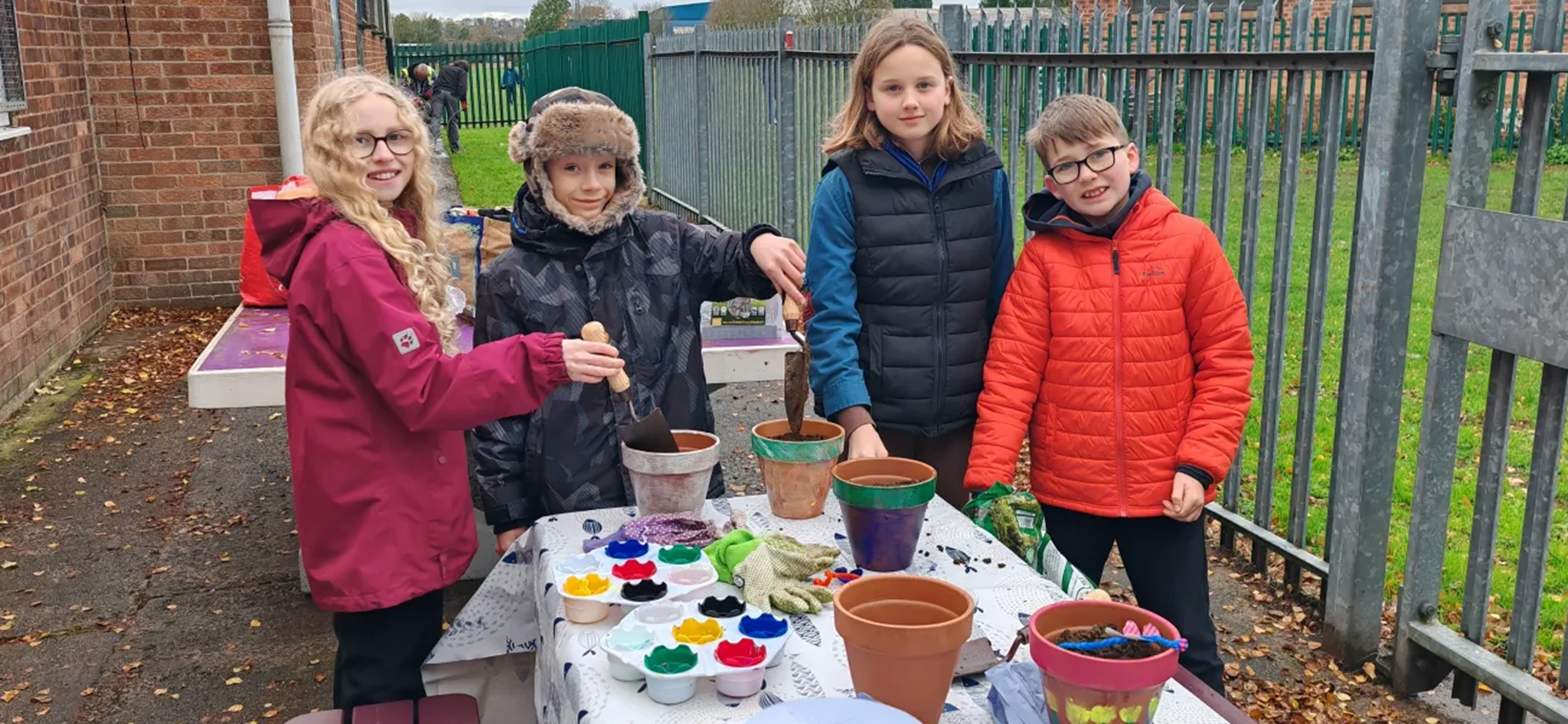
Wild tulip bulbs, sourced from a UK supplier, were introduced to two sites, the education area by Sprotbrough Fishpass and Anchorage Lane park orchard area near Swaithe Dike. Planting was carried out by local community groups, the Don Gorge Group, Sprotbrough Parish Council and Conisbrough Scouts. A planter has also been made for the Goldsmith Centre and scouts took their own pots of tulips home.
The distinct populations will be monitored by volunteers in Spring.