Fish Passage
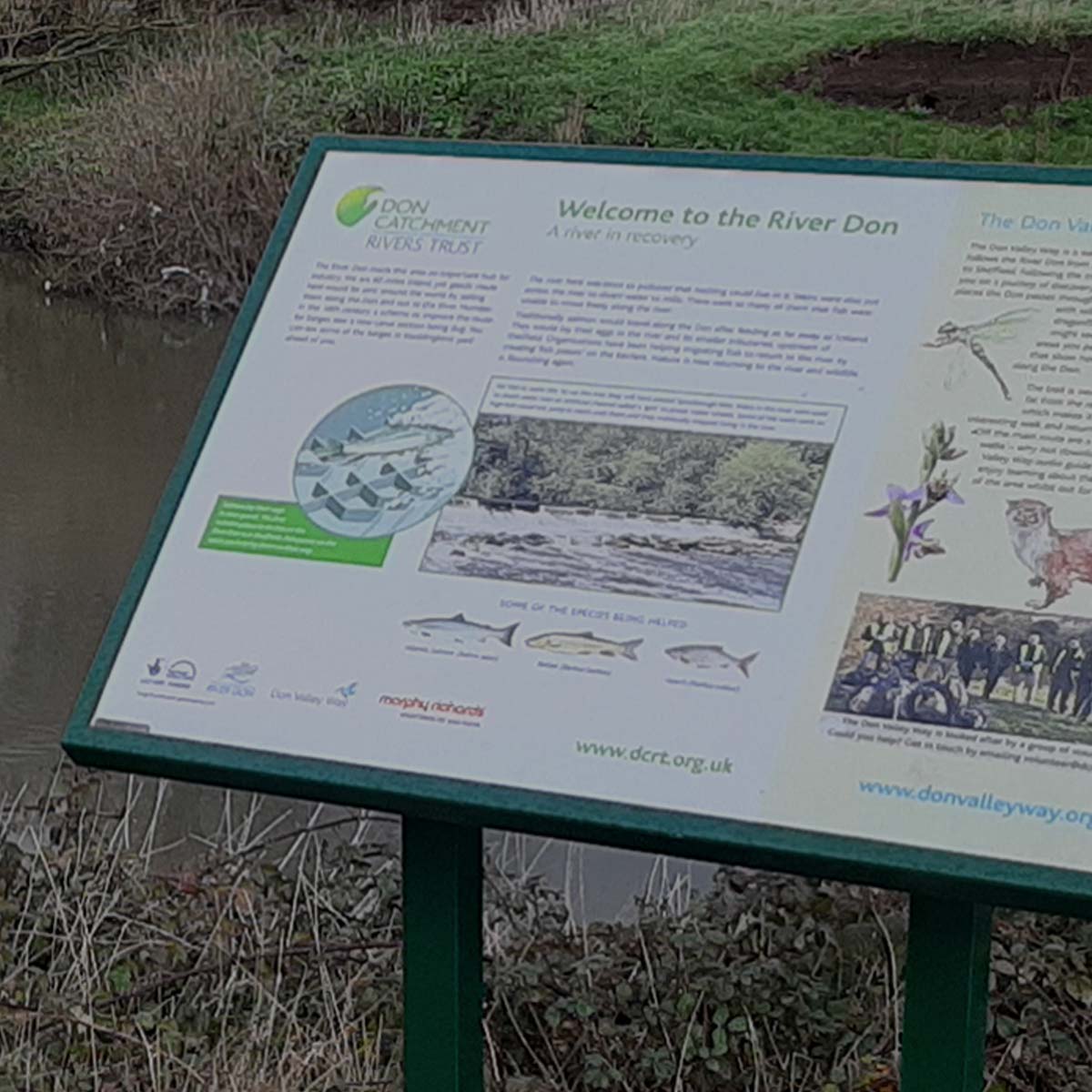
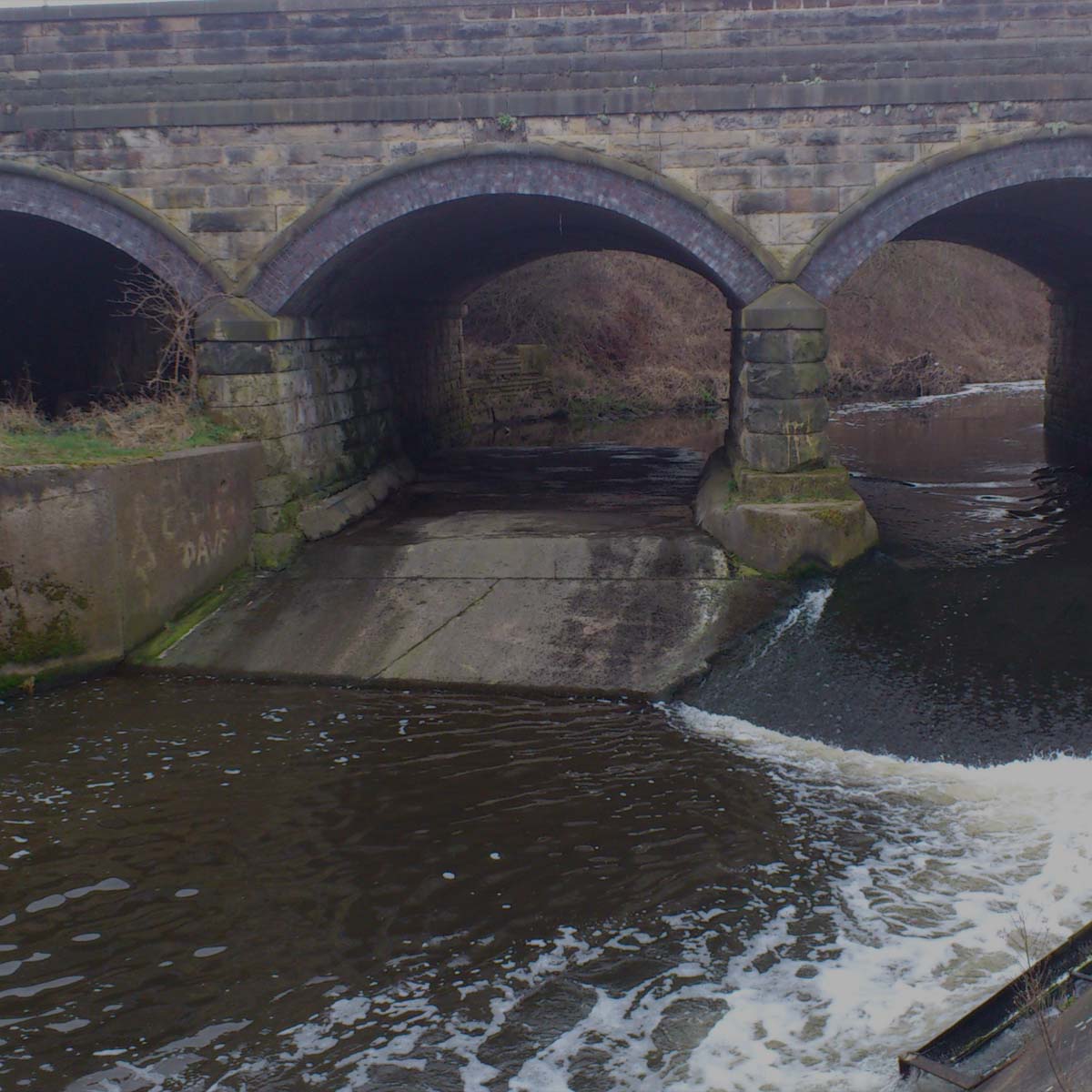
The River Don and its tributaries offer prime habitats for a number of fish species. Over time, the modification of our rivers has made it harder for fish to move within them. Obstacles such as weirs, are major challenges to fish and with so many of them within the catchment, species like Atlantic Salmon had not been seen in the upper areas of the catchment for hundreds of years.
DCRT was founded in part with the ambition to address this problem and we have completed many fish pass projects, including the Trust’s first National Lottery Heritage Fund project, Living Heritage of the River Don.
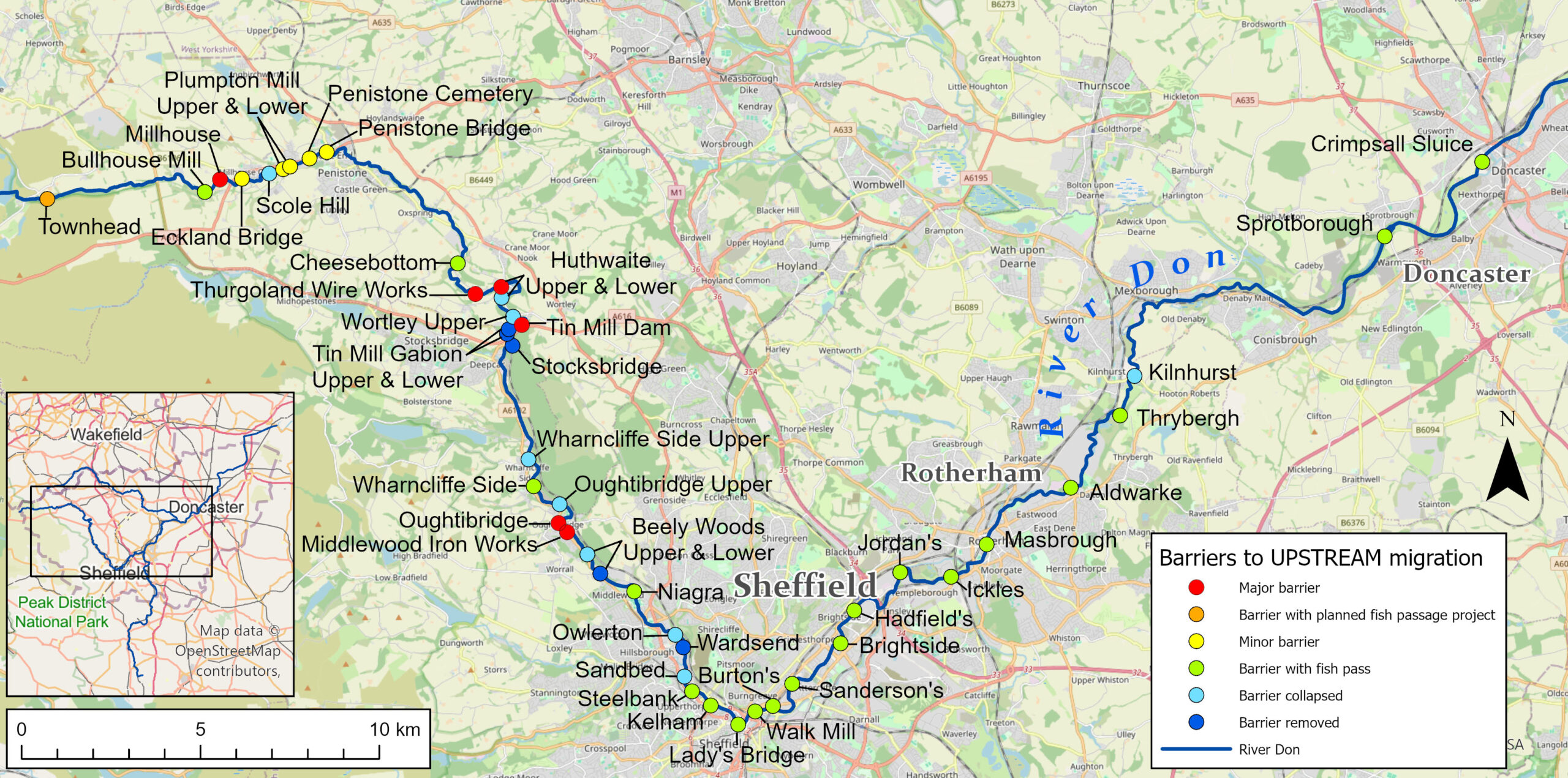
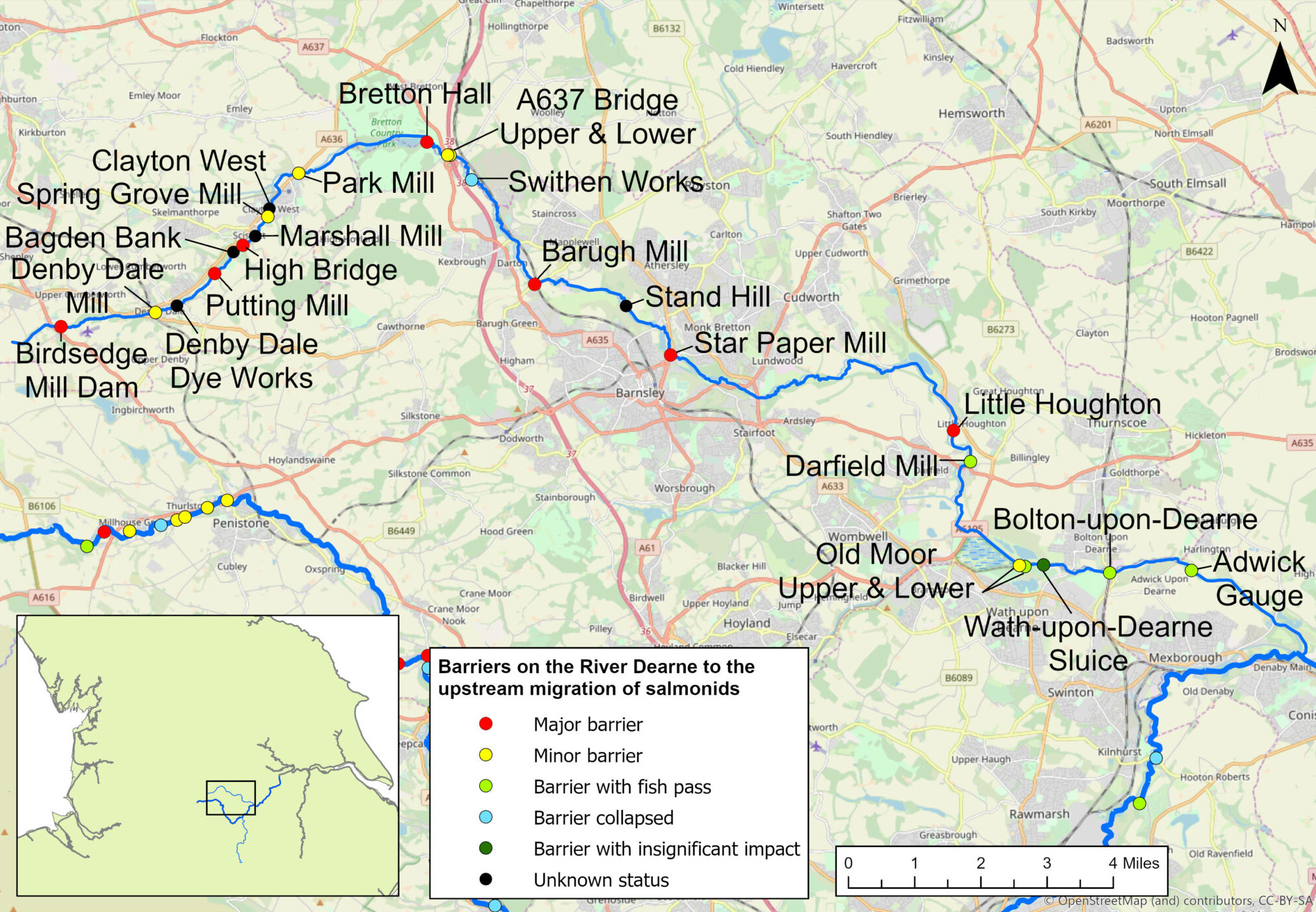
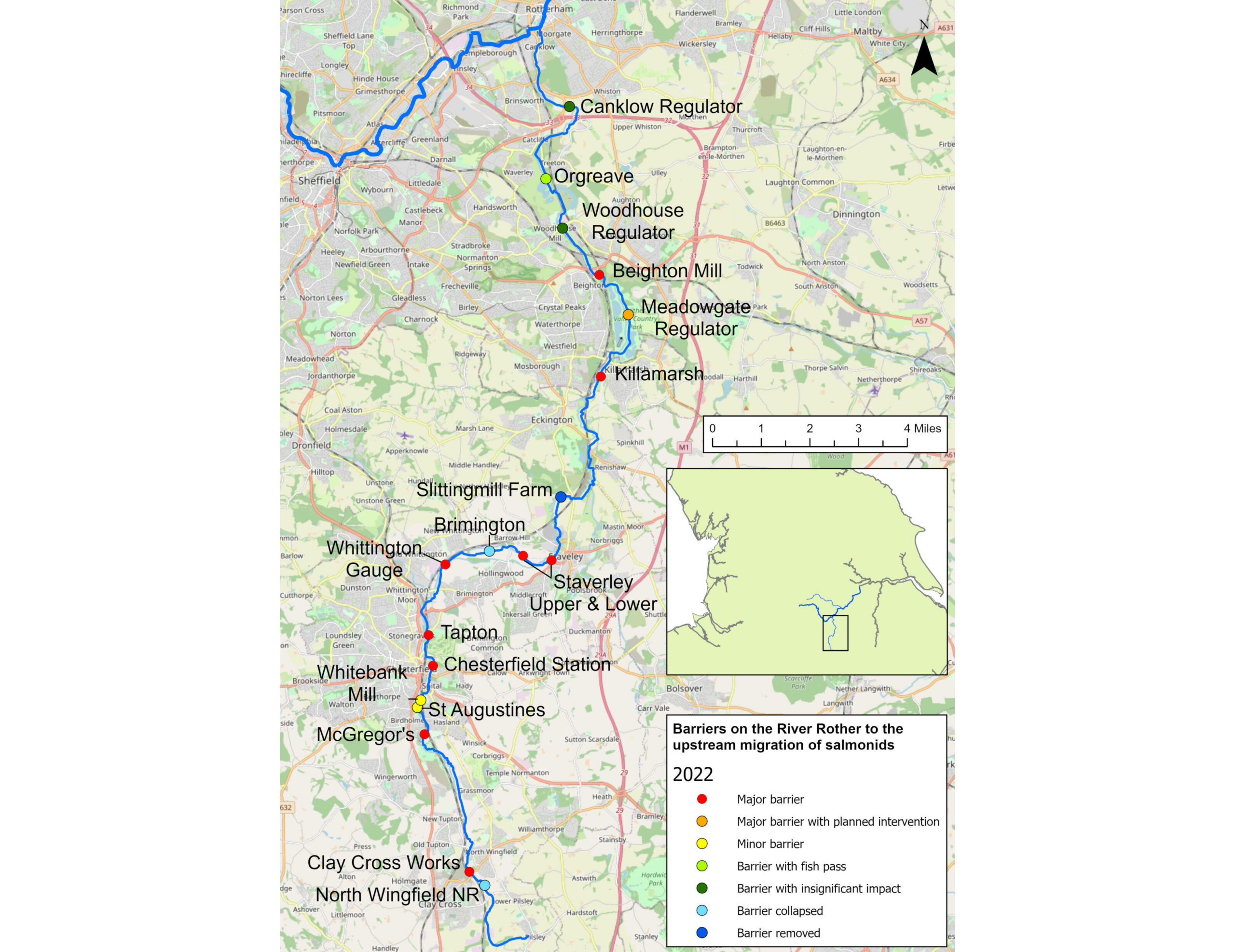
Barriers in the Don Catchment
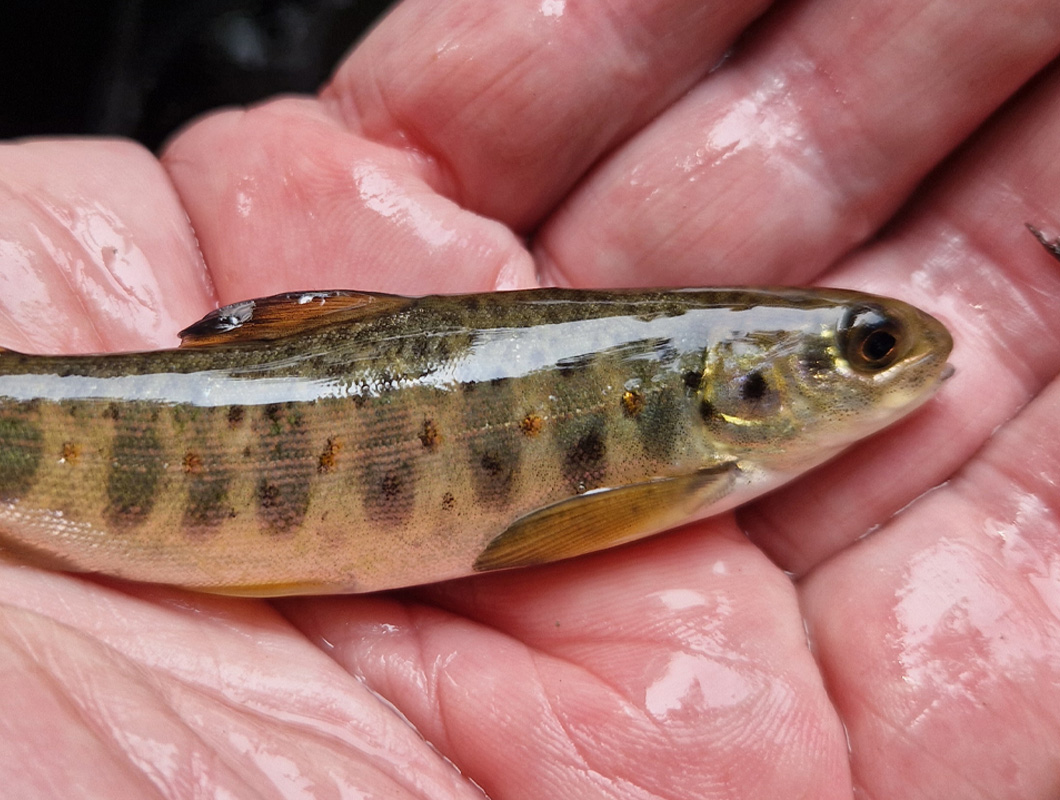
Today, all barriers between Oughtibridge in Sheffield and the sea now have fish passes installed or have been removed. However, there is still more to do. Although we are excited to see signs of salmon returning with DNA evidence and parr (baby salmon) sightings we still have a number of barriers to overcome before they can reach their original spawning grounds in the Pennines.
We often talk about upstream migration of fish but downstream migration is less often spoken about. As smolts (young salmon) migrate down rivers to the sea, weirs can become barriers due to the shallowness of the weir crest (the top of the weir). Additionally, fish passes can be unsuitable to move down. Weir ‘notching’ helps provide a solution for this and involves taking a small section out of the weir crest allowing suitable conditions for fish to pass through, helping them migrate downstream.
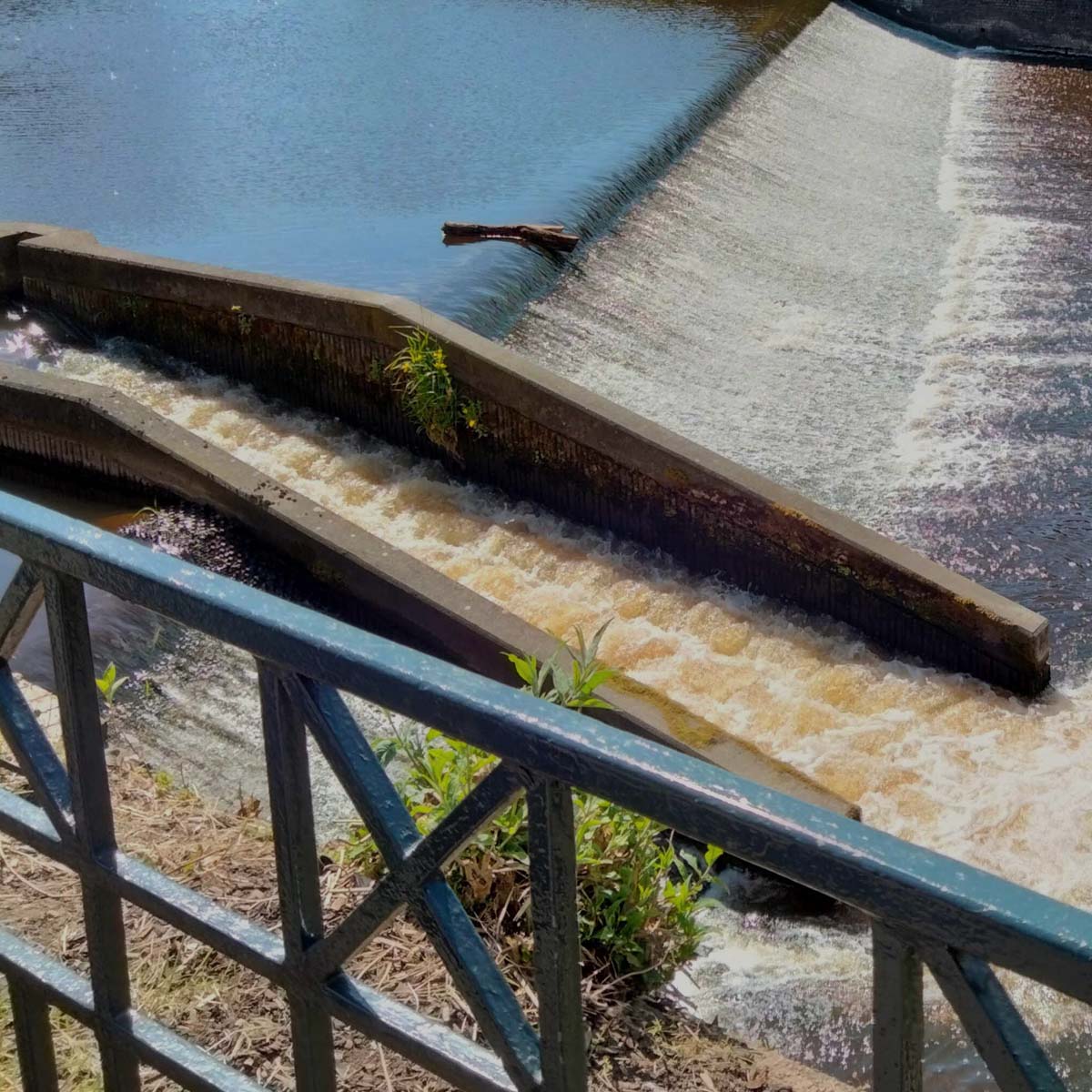
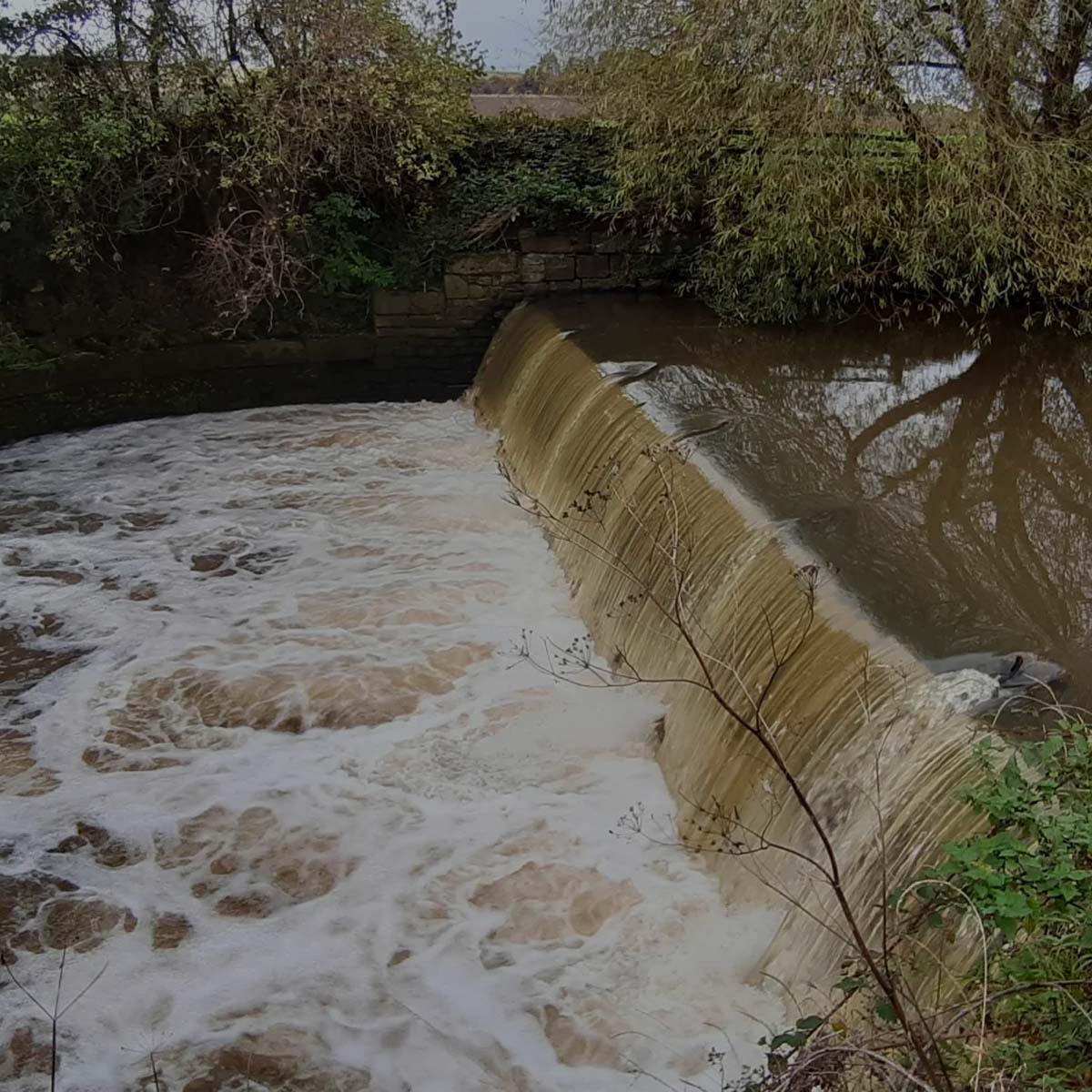
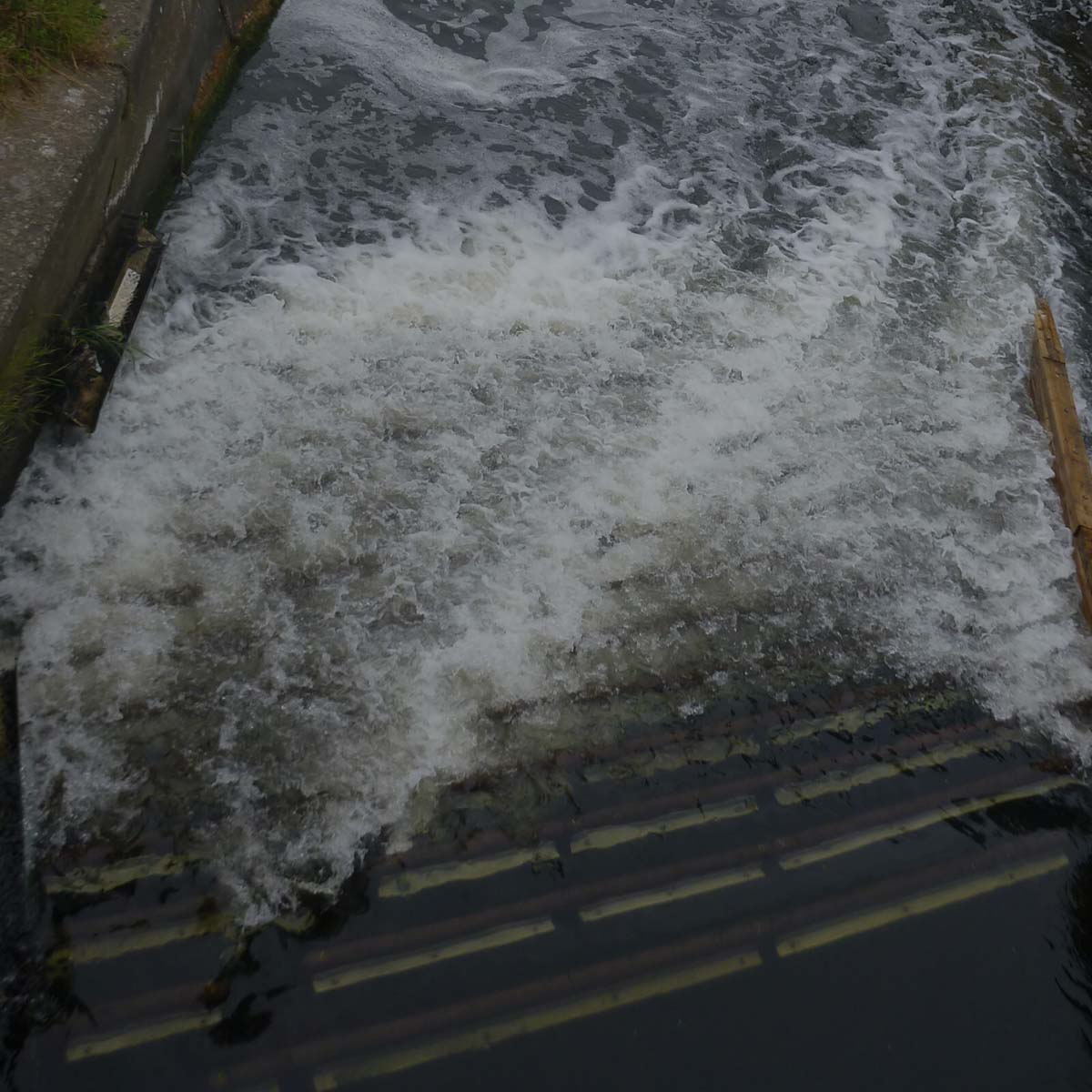
Fish Pass Type Examples
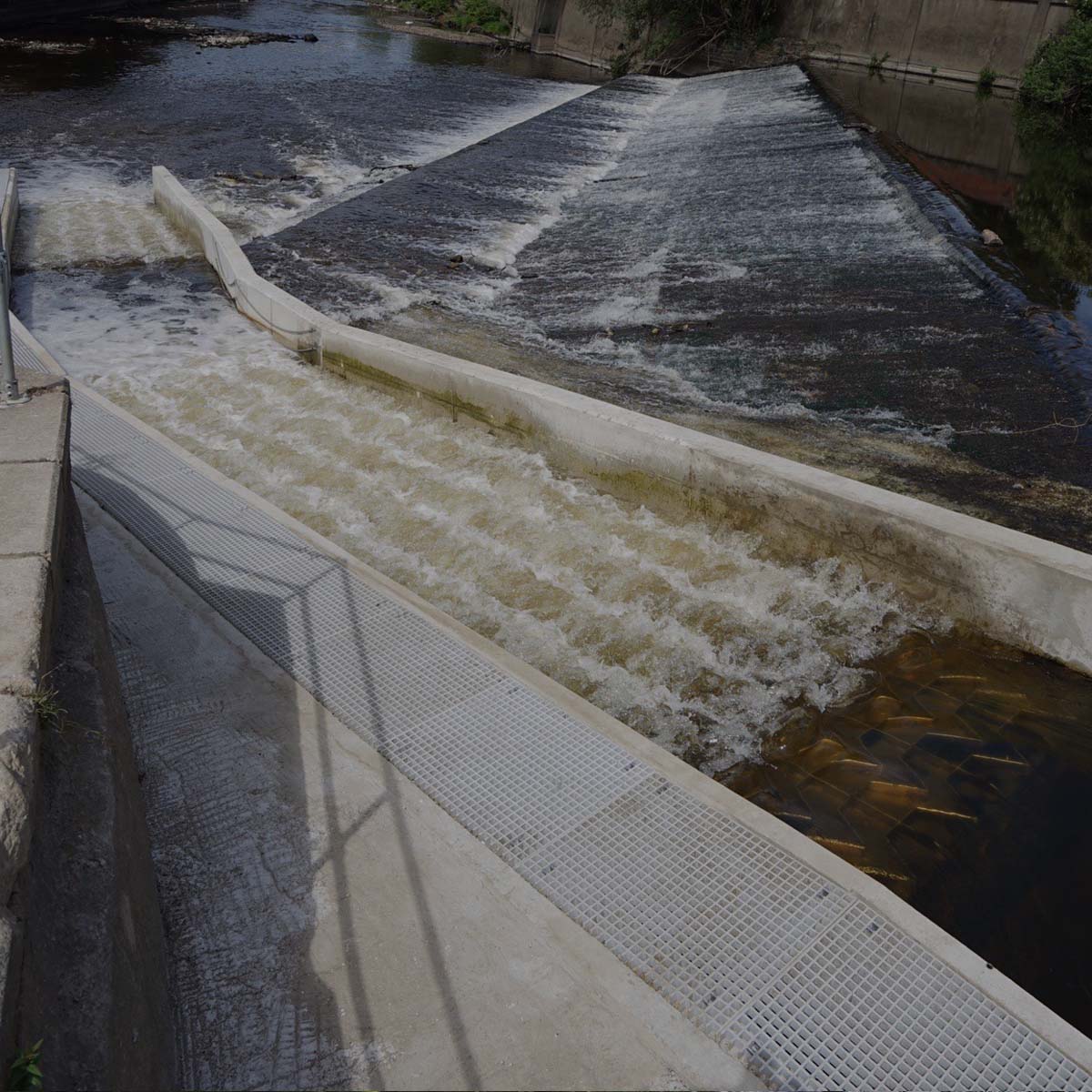
Larinier
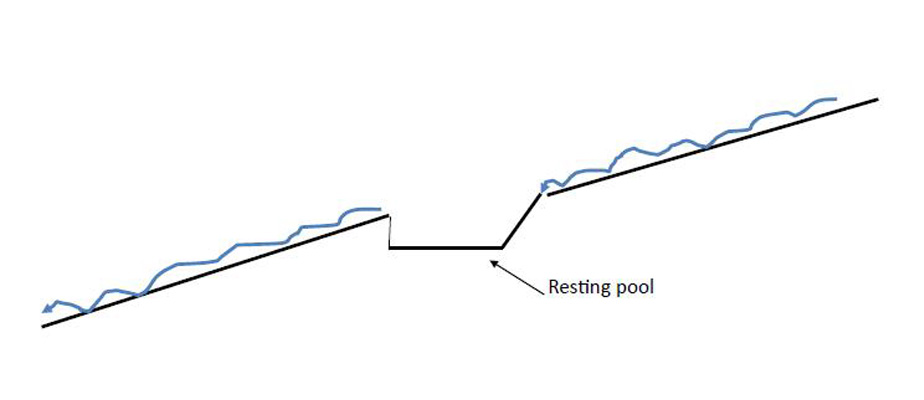
This pass works by slowing the flow and increasing the depth of water through the pass; the angle of the slope for the fish to tackle is also lowered. Larger fish are then able to swim up the pass and make their way up, with smaller fish being able to rest behind the baffles before they jump over the next one.
The passes at Brightside and Steelbank have two flights of baffles (see schematic) with a resting pool in between them that allows fish to recover strength.
Baulk Easement
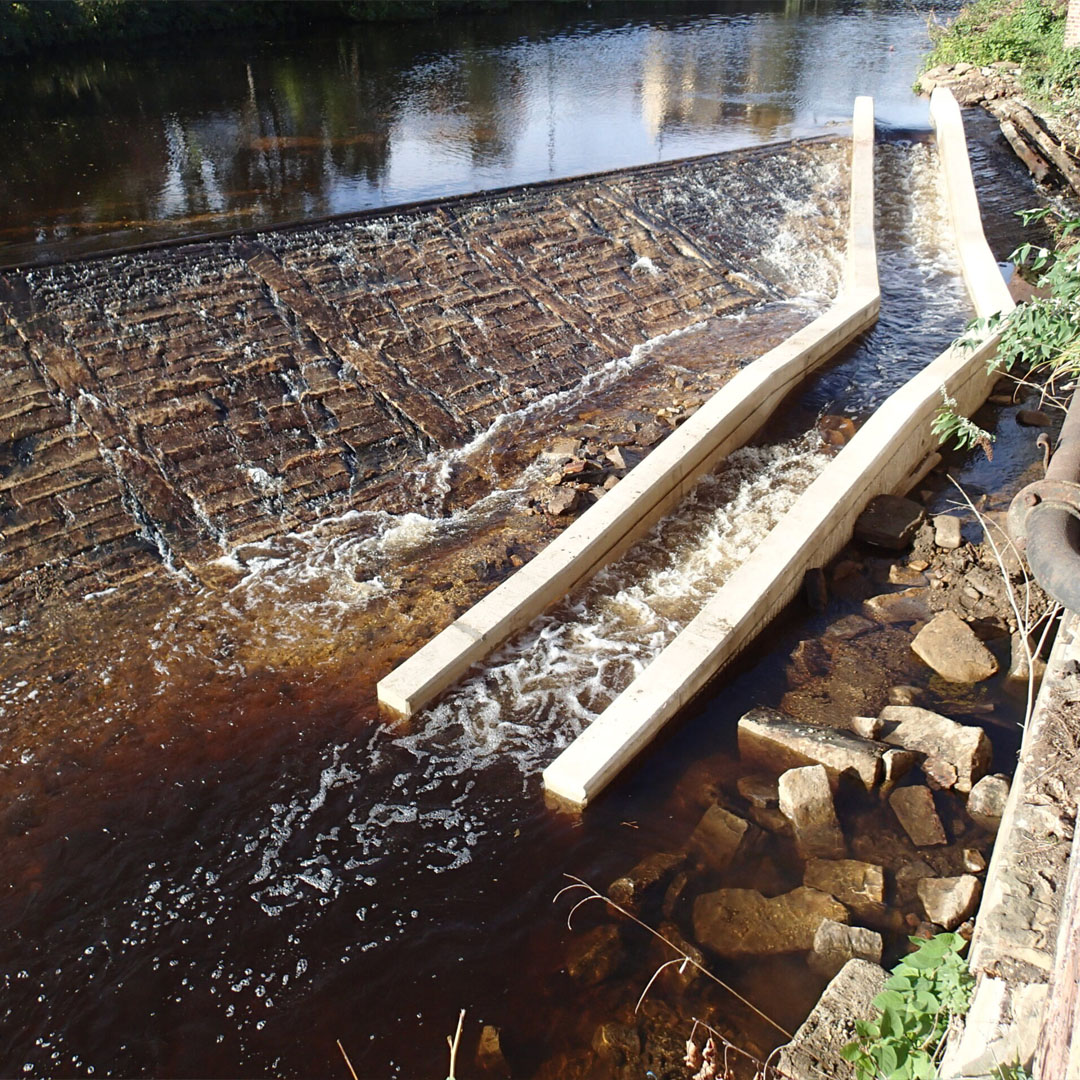
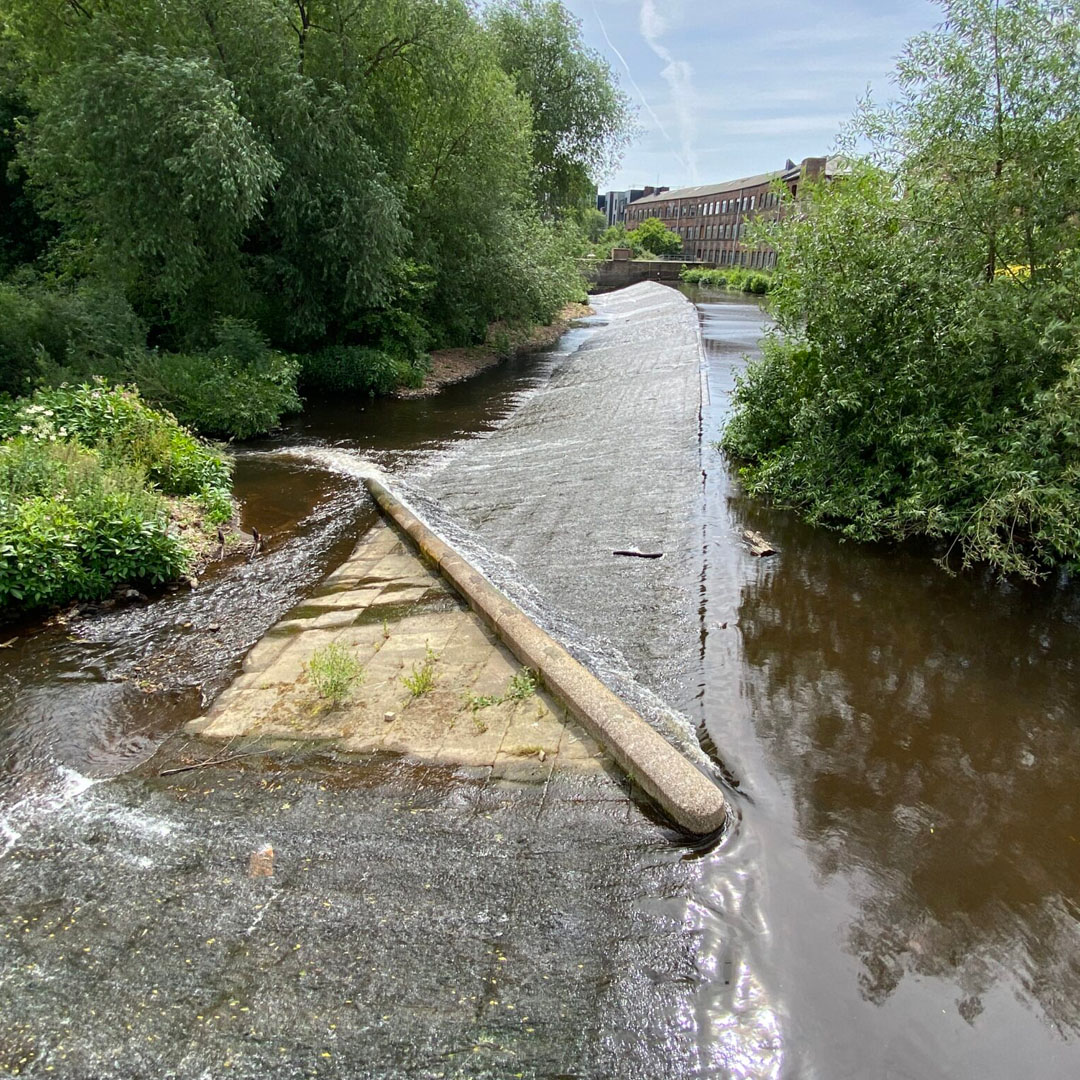
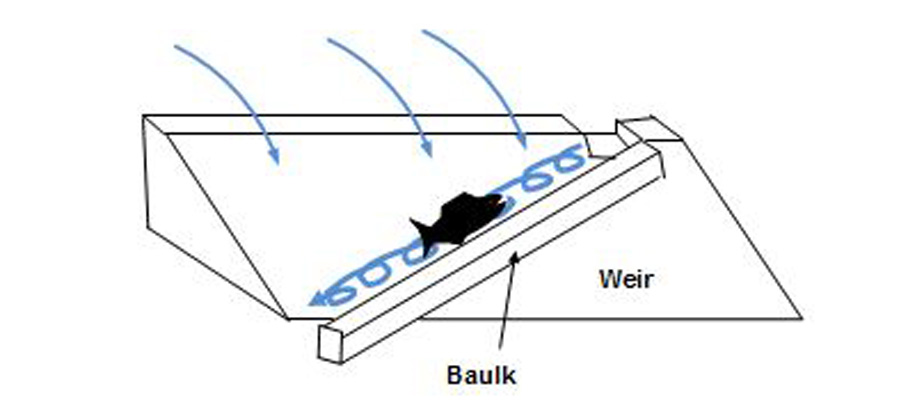
An easement consisting of a baulk or beam usually made of wood or concrete being fixed across the face of the weir sloping downwards to the apron. Where the baulk meets the weir crest a notch is cut.
In combination, the notch and baulk create a channel of water across and over the weir through which fish can swim. Some of the weirs on the River Don have listed status and easements are a less invasive way of helping fish to ascend the weirs and a lower cost option.
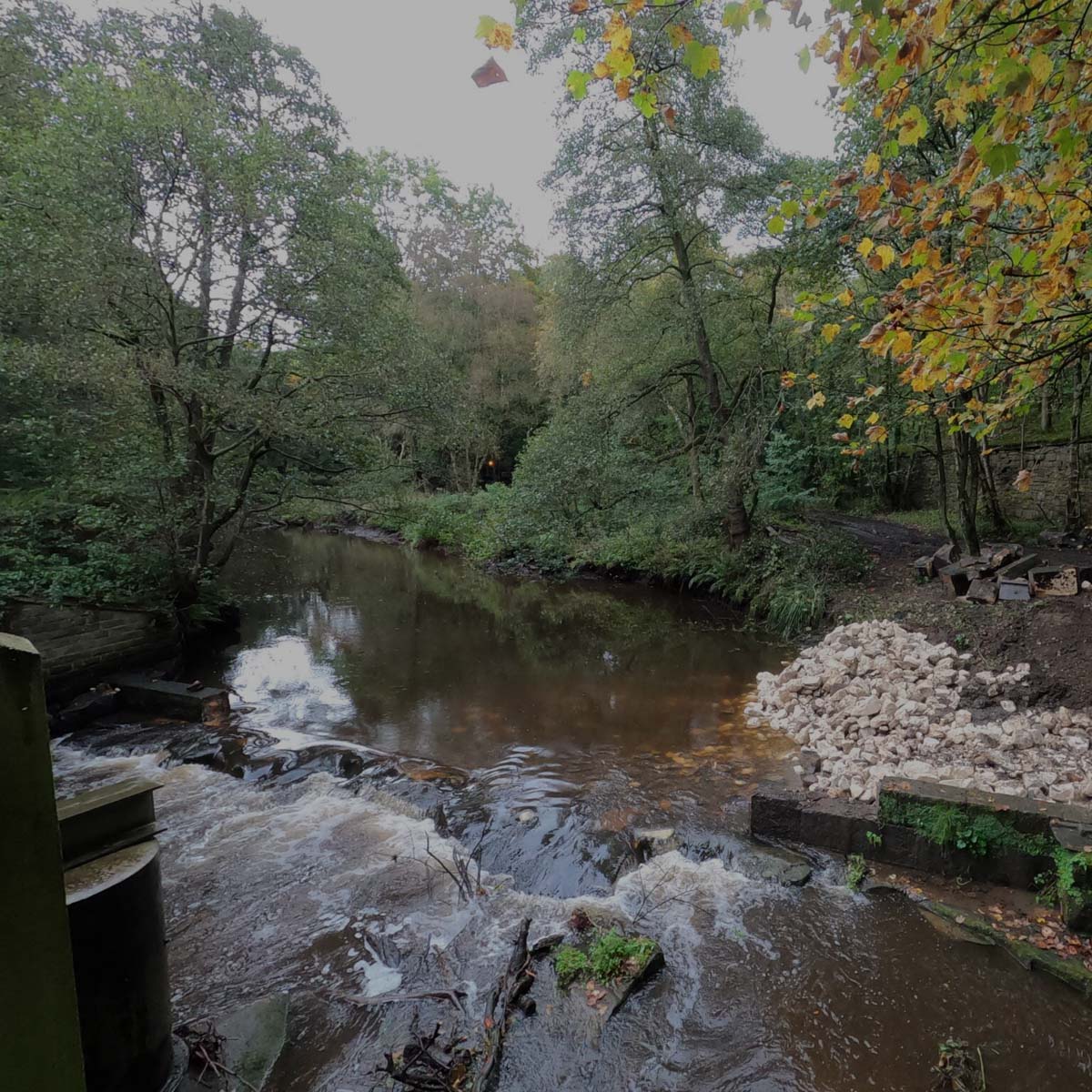
Rock Ramp
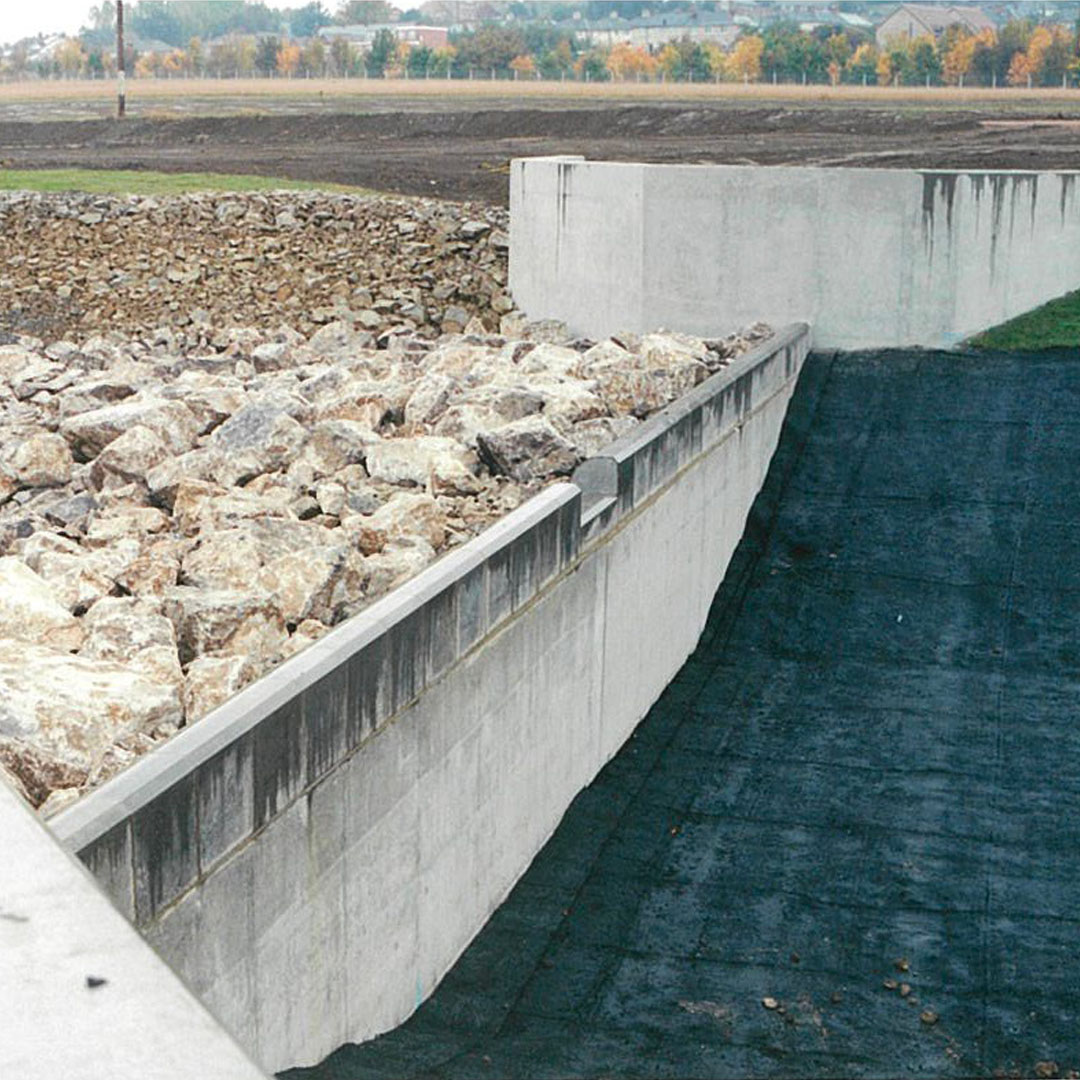
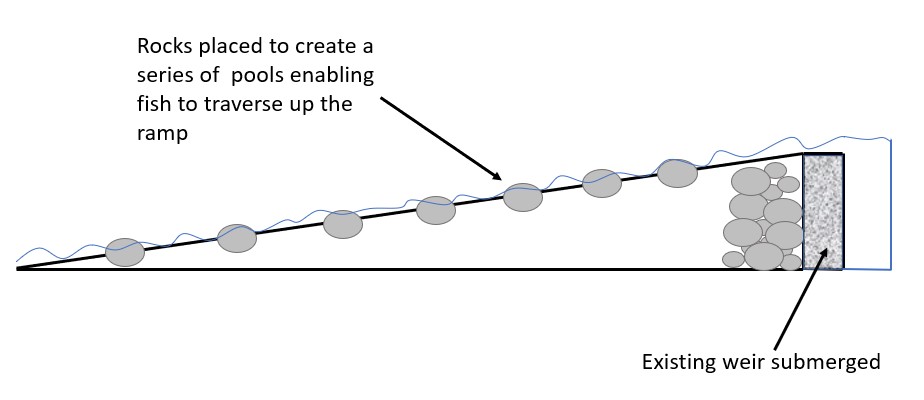
A rock ramp style fish pass consists of a rocky ramp built up to a weir. The ramp is covered in rocks and boulders of differing sizes. It creates a gently sloping ramp up to the weir that fish can simply traverse up.
Atlantic Salmon
An early aspiration for DCRT was to help establish a self-sustaining Atlantic Salmon (Salmo salar) population in the River Don, despite them being missing from these waters for over 200-years.
After huge improvements to water quality and salmon sightings in the lower Don around Doncaster in the 1990s, DCRT along with partners set upon a journey to address the weirs on the River Don, this included the Trust’s first National Lottery Heritage Fund project, Living Heritage of the River Don.
In 2025, the first wild born Salmon parr in over 200 years was found in the River Don!
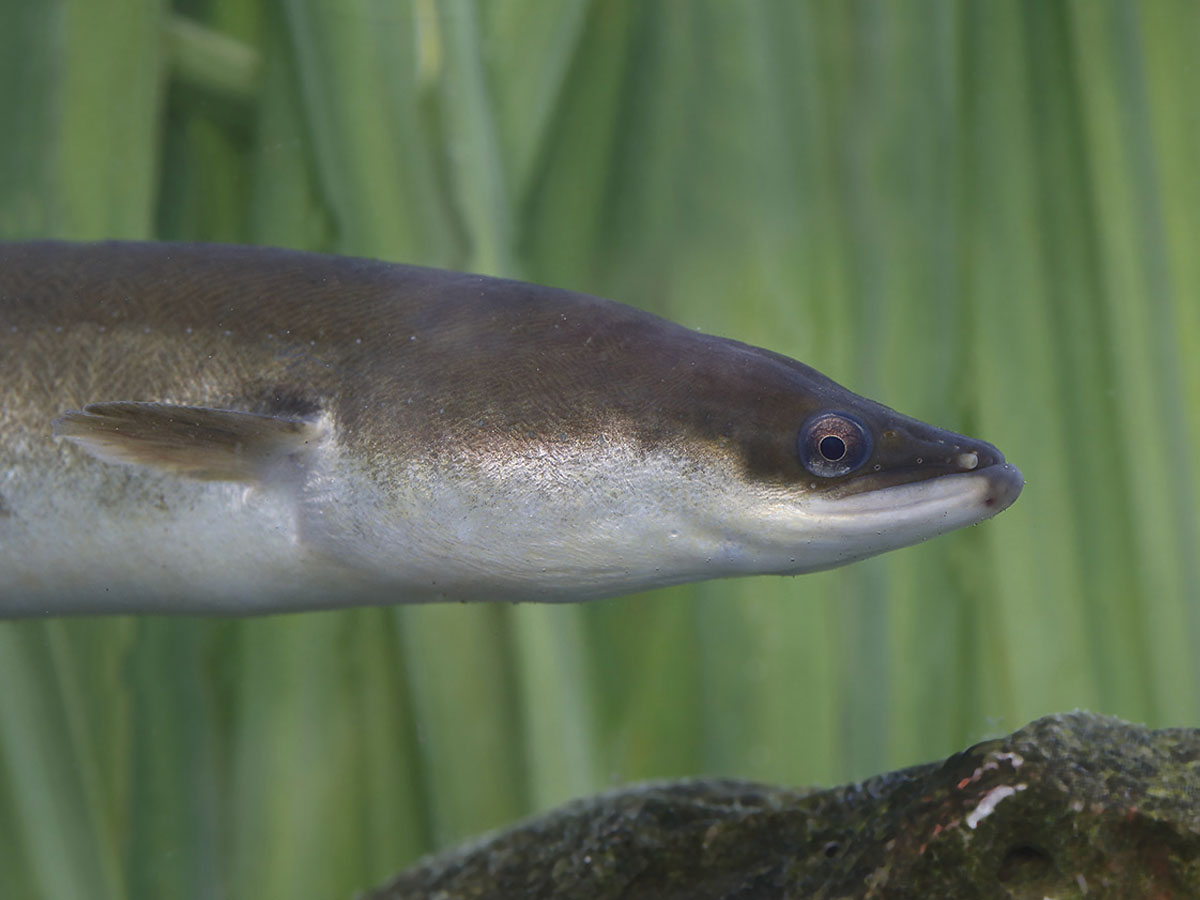
European Eel
Many species of migratory fish are under considerable threat with data indicating that the European eel (Anguilla anguilla) which has undergone a massive decline in recent years. The number of elvers (young eels) being able to utilise freshwater ecosystems across Europe, once so prolific, have now decreased dramatically.
Within the Don Catchment, some of the best eel habitat, such as wetland, is adjacent to the river network. However, much of this has become inaccessible due to the impoundment of rivers by weirs which prevent eels and fish from ascending them.
The Trust has previously undertaken work for Eel passage. In 2012 we incorporated an Eel pass to our larger fish pass on Hadfield Weir at Meadowhall on the River Don.