
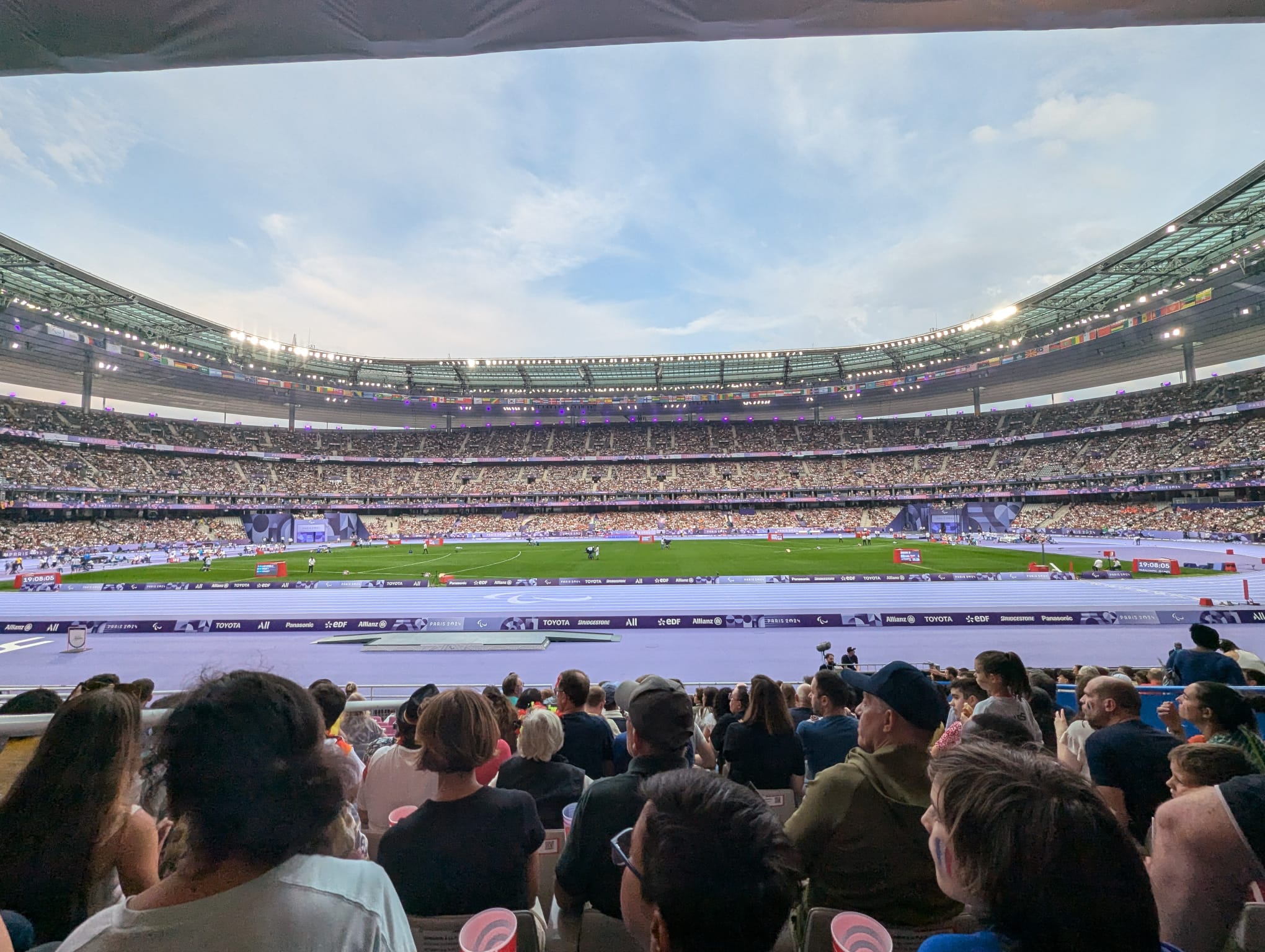
Back in August I decided I wanted to go and see the paralympic games in Paris, so I bought myself a ticket to the athletics and headed off to Paris for two days. After I had been to the Athletics I experienced one of the heaviest storms I had ever seen. The rain was hammering down, and water was rushing through the streets of Paris with greater speed than the vehicles were traveling. While I was there I was hoping to see the triathlon as it headed through the streets of central Paris however this did not take place as the levels of pollution where too high in the Seine. So, I am not just writing this to boast about my holiday but am using it again to talk about the issue of sewage pollution.
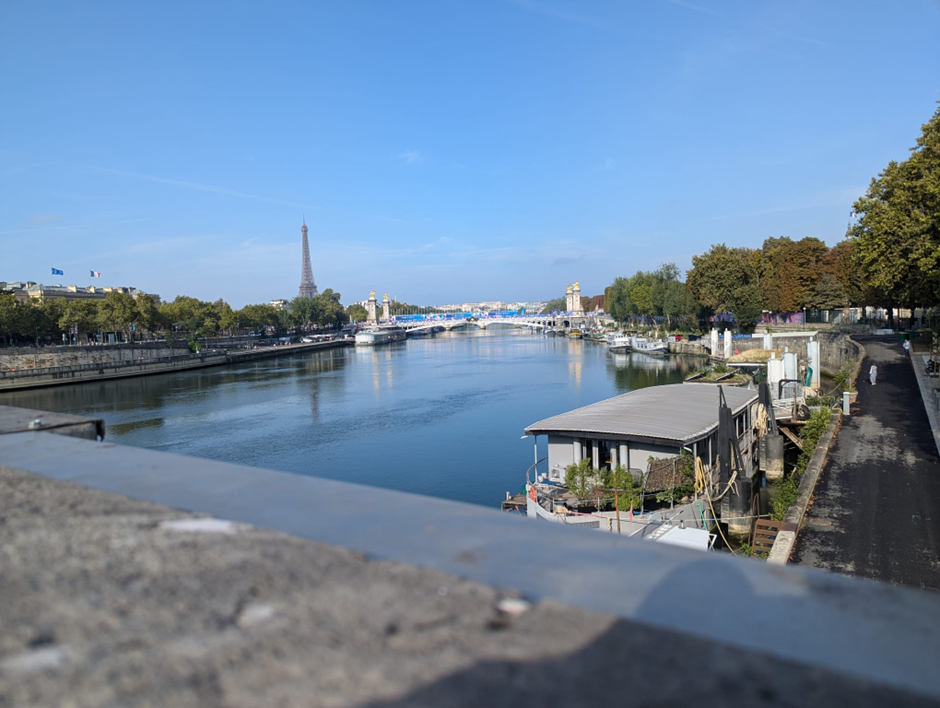
But first a bit of information about the Seine. The Seine is 777km long (this number is very satisfying) or 483 miles and is the 3rd longest river in France. The source of the Seine is in an area called Source-Seine in the Burgundy region of France and begins as a groundwater spring. Le-Havre is where the Seine empties into the English Channel. Paris was founded in the 3rd century BC by a community of Celts called Parisii, who emigrated to the region for the fruitful fishing and fertile ground provided by the Seine. I should also mention that there is evidence that there were neolithic tribes in the area in around 4500BC.
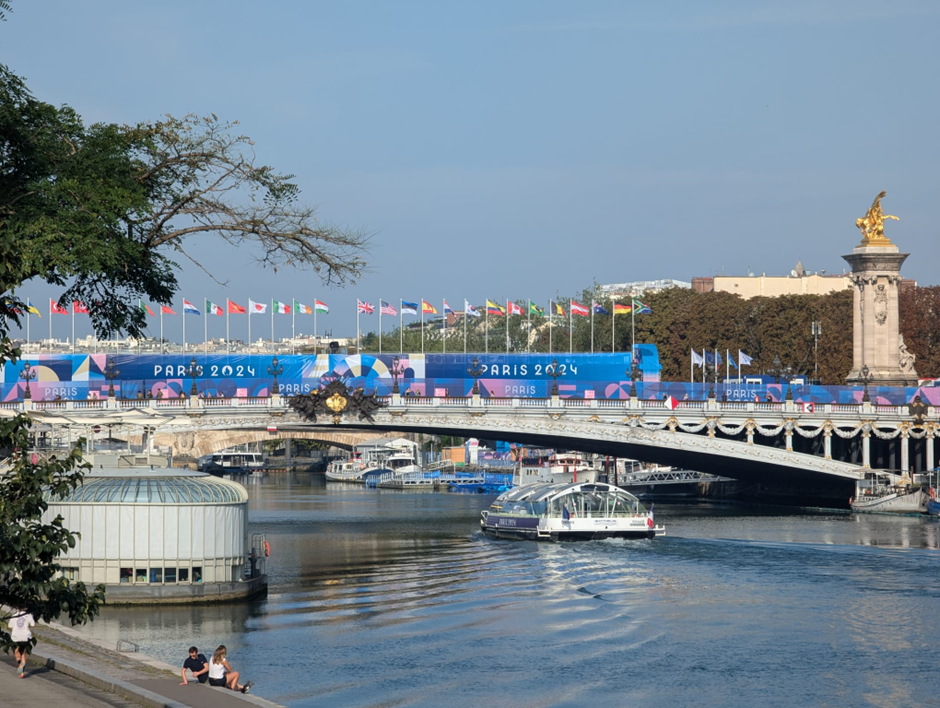
In 1770 the Paris Water Company was established by King Louis XVI that ran a steam engine driven water distribution service throughout the capital. This company was traded openly on the French Stock Exchange which increased accusations of corruption and greed in the king. During the French Revolution (1789) many executions took place in the Place De La Revolution (now known as the Place De La Concorde) including that of King Louis XVI and his wife Marie Antoinette who had spent all the common people’s money living in extreme luxury while the country was bankrupt, and the people were starving. In 2010 the Mayor of Paris reestablished the Paris Water Company to provide an affordable and effective water service for Parisians. This also allowed there to be more transparency and reinvestment in the water system.
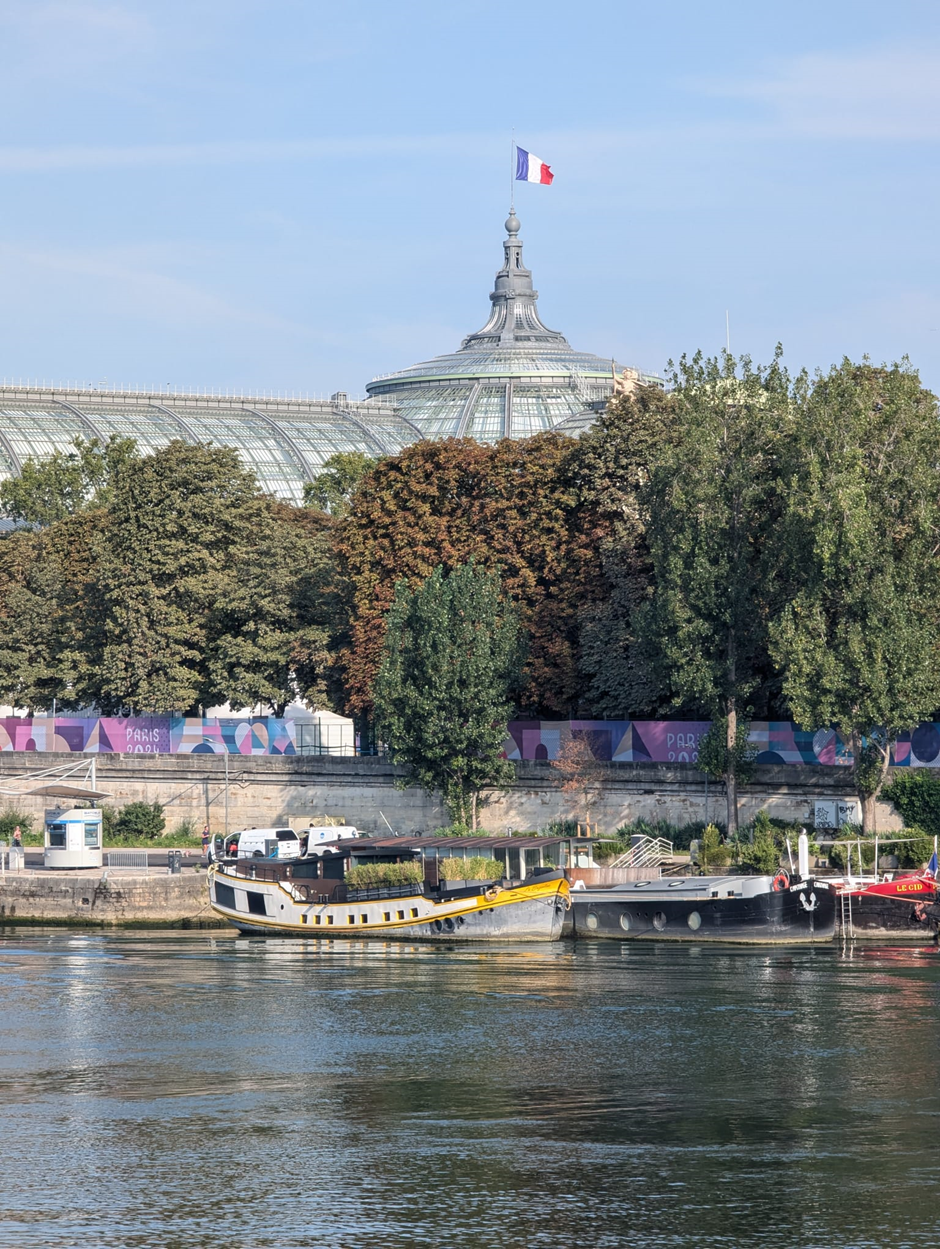
In modern Paris the relationship with the seine is very different. The Seine is actually a very clean river. For 91% of the year the Seine has low enough bacteria levels for swimming which is why the international Olympic and Paralympic comities allowed the triathlon and long-distance swimming events to take place in the Seine. However over the summer there have been several sudden heavy storms which caused the French sewage network to become overwhelmed releasing some sewage into the river. This is most likley an effect of climate change across the world causing more eratic and extreme weather everywhere including here in Europe. The increased sewage in the river ad higher bacteria leavels meant that some of the events were postponed for several days as it was unsafe for the Atheletes to swim in the water. This meant that the Triathalon was postponed to the next day when I would have returned to work, so unfortunatly did not get to see any of it.
The Don also has its own issues with Sewage pollution. Unlike the Seine it is not advisable to Swim in the Don at any time of year in the centre of any of the major regions along the river. Our sewage system has suffered from decades of poor investment and management of the system making which has increased the amount of sewage dumped into the river. In the Seine sewage is only released in times of great stress on the system which are normally caused by flash storms such as the one I had experienced in Paris after the Athletics. This is also meant to be true in the Don however this does not happen, as sewage is regularly released at times when there has not been significant presipitation.
But how can we as individuals change this? The Central Rivers Trust has campaigned for several years to have improved rivers in the UK. On the 3rd November you can join the Rivers Trust as we March for Clean Rivers in London to show that this is an important issue to our environment, and we need our current system to be changed. Sign up to join the march by clicking here.
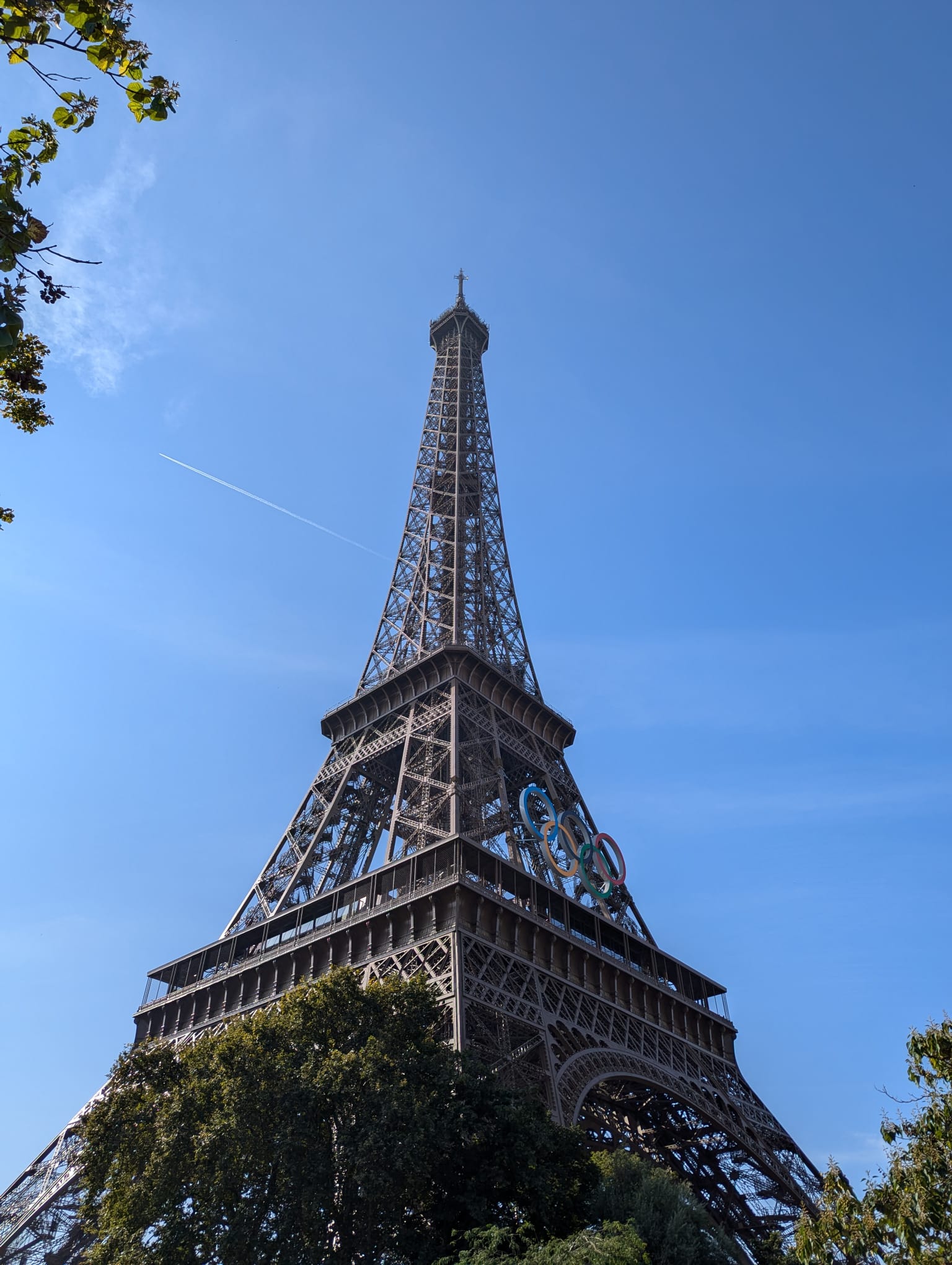
I do want to say I did have a great time in Paris! I would recomend a trip to the Paralympics for anyone. The Paralympics is a celebration of humanity and what we can acheive with hard work and dedication. At the Athletics session I went to we did not win any medals but Paris 2024 was Parlaympics GB’s best ever Paralympic games, they won a medal in all but one sport and came second in the medal table with 124 medals (click here to see the medal table). Also it was a supprise to me how much I enjoyed Paris. I loved seeing all the historic buildings and the Eifle Tower was a truely increadible structure, I would like to return and go up it one day.
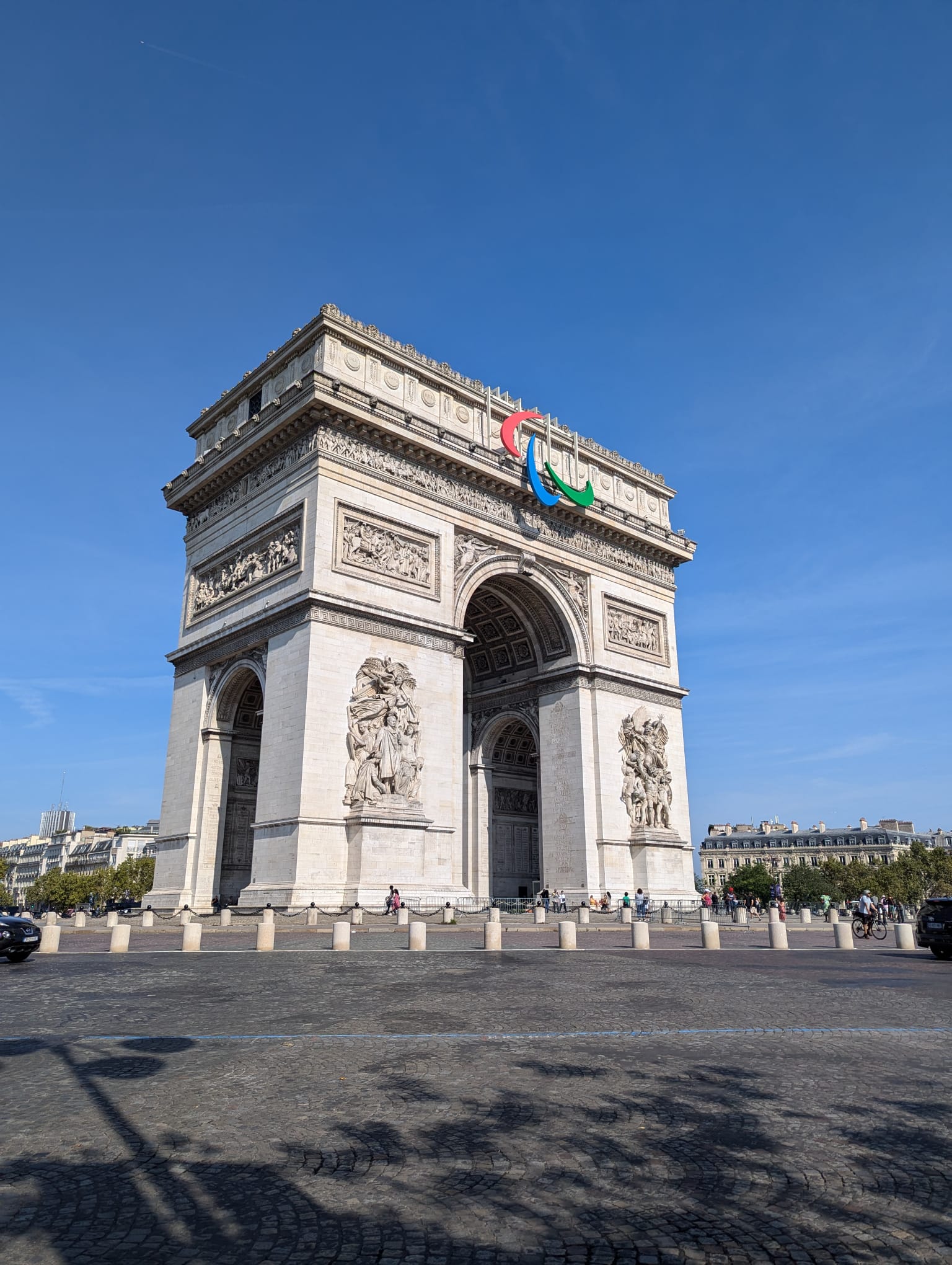
Finally, I thought I could share a philosophical thought I had while writing this. Paris is world famous for being “the City of Love.” Most people would see this as being for a partner however I have thought about this and believe love is not just exclusively for people. Why can’t it be love for the beauty of nature and more specifically our rivers? I love the river, it is calming, peaceful and is a source of life. This is why I feel we should campaign for better treatment of our rivers and should do all we can to improve them for nature.
Written and reasearched by Project Volunteering Officer Anthony Cox