This article was originally published in the local publication in Doncaster called The Hexpress. We are adding the article to our blog so that we can share it with the DCRT audience.
Hear from Alex Liversidge on how DCRT’s ‘pollution game’ was a great success at Hexthorpe Park, learn about an unexpected source of river pollution and how to stay touch with your local rivers trust
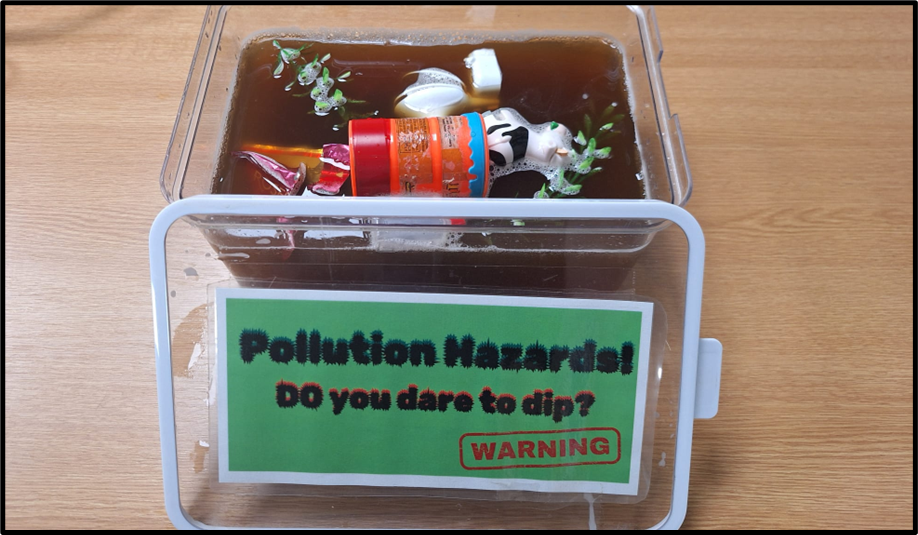
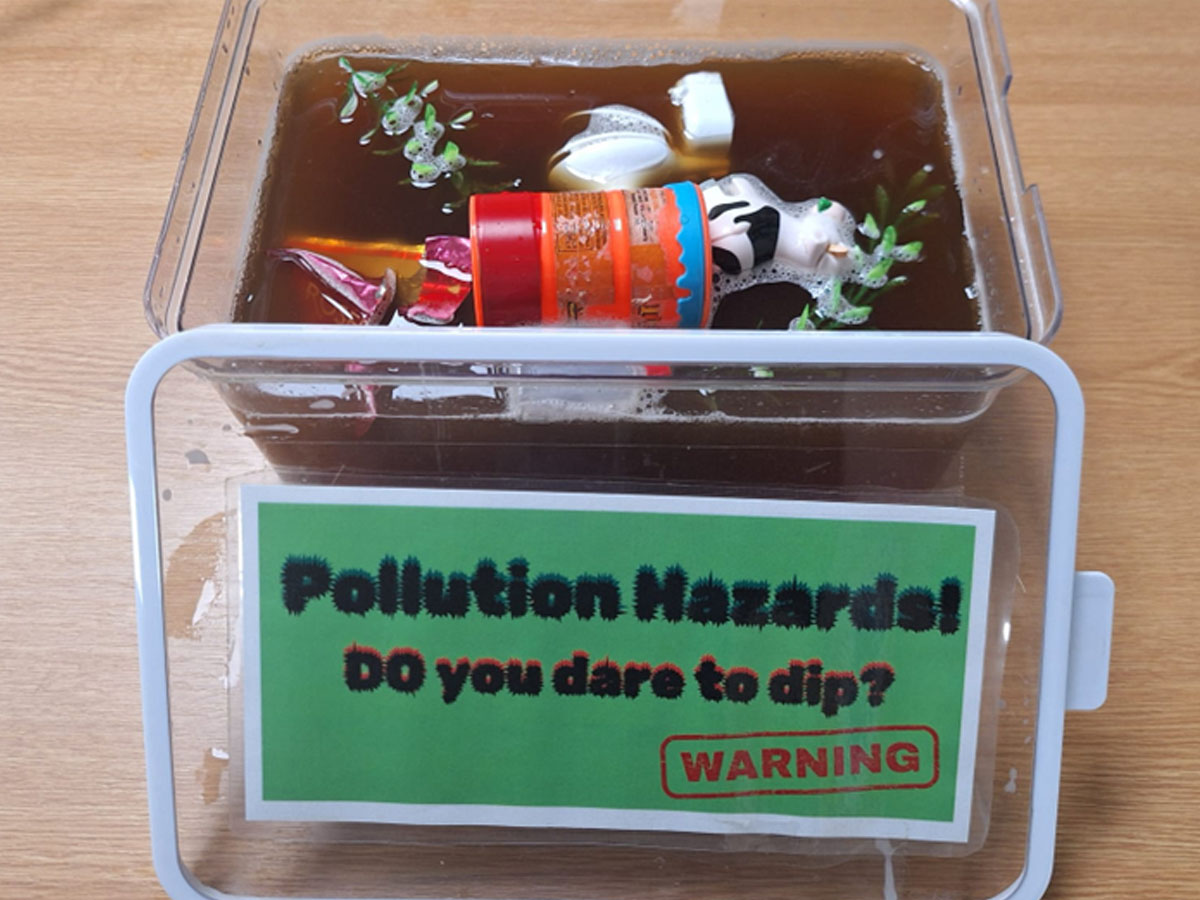
Photo of the ‘pollution tank’ filled with items that represent many different sources of pollution in rivers. Made using instant coffee granules, the murky mix isn’t as hazardous as it first appears.
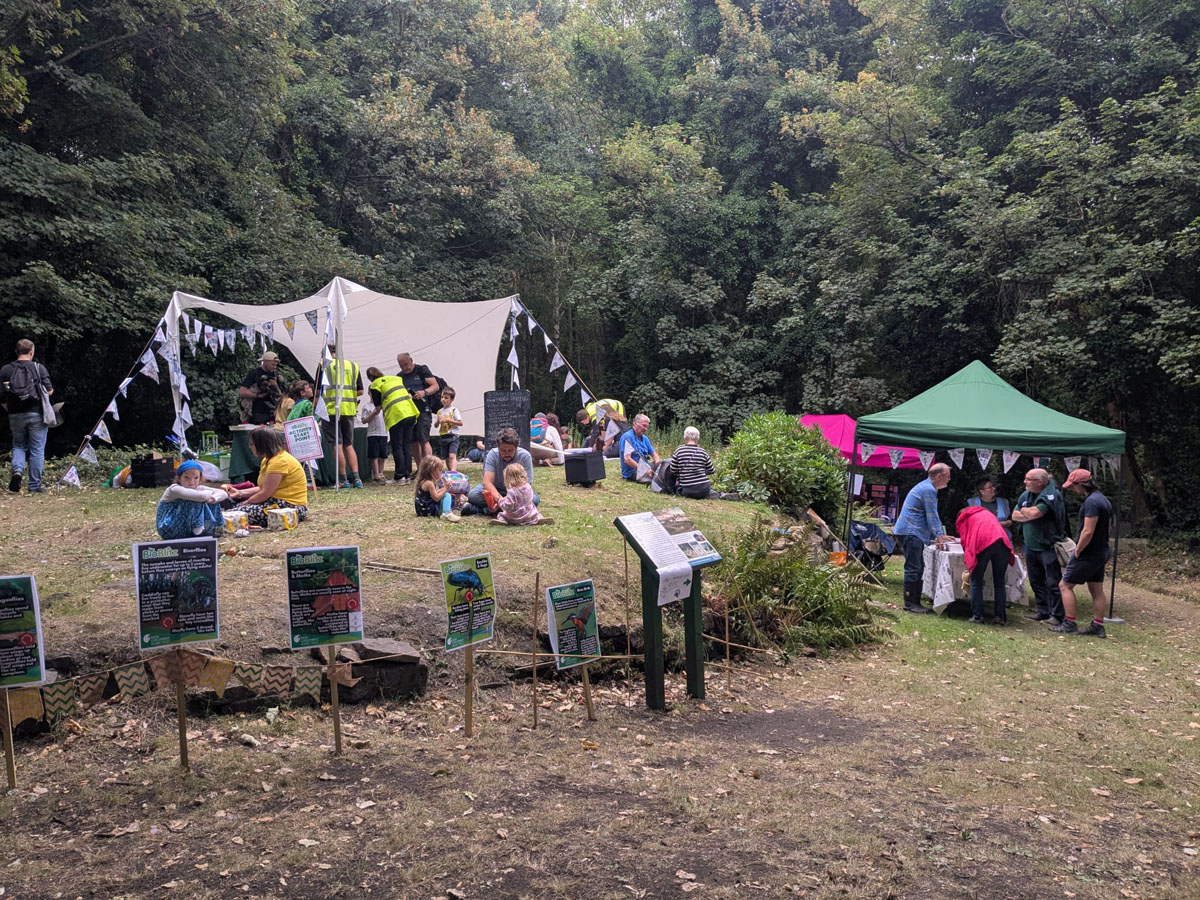
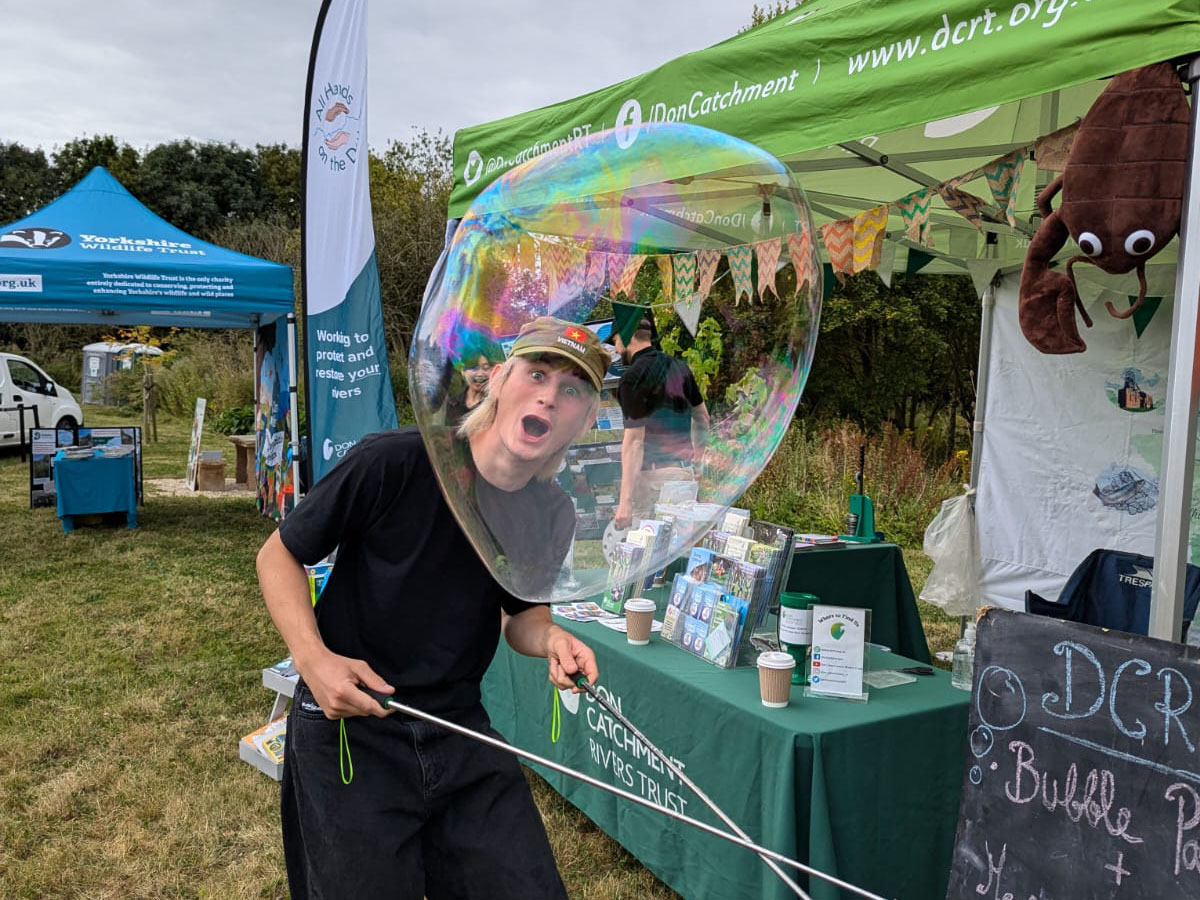
DCRT’s ‘All Hands on the Don’ team were at Hexthorpe Family Fun Day on the 22nd of August with a creative way to talk about river conservation. Helping run the stall was project officer Alex Liversidge, who says, ‘Our pollution game was really, really popular. We had several of the kids coming back more than once to play it.’
Alex goes on to explain how the game works, ‘We have our pollution tank, which is murky using coffee, and the children put their hands in the tank and pull out an item. And although we’ve got some aims as to what we want to communicate with each item, it’s interesting because the children bring their own ideas. That’s the nice thing, it’s a discussion rather than a lecture.’
‘A couple of children were so interested, when another member of the public gave the pollution game a go, they helped them by sharing the knowledge they’d just learned. It was brilliant to see it had sunk in straight away, and they were communicating quite complex issues that we have around pollution and rivers.’
As for what’s inside the pollution tank, it’s filled with many different items which each represent a source of pollution in rivers. However, from toy cars to toy cows, some items are easier to guess the meaning of than others.
For example, the children are often able to guess that the toy toilet represents pollution caused by sewage in rivers. Recently pushed to the forefront of national news, it was found that, in 2023, the amount of sewage spills water companies discharged into rivers had doubled from the previous year. Sewage pollutes rivers as it contains bacteria and fungus which harm wildlife, as well as an excess of nutrients which can feed harmful algal blooms.
However, the item in the pollution tank that rarely gets its meaning correctly guessed is the toy dog. Dubbed by the Rivers Trust as a ‘flea-mergency’ [1], flea treatments can contain several pesticides which have historically been banned for use in agriculture, due to their destructive effects on insects.
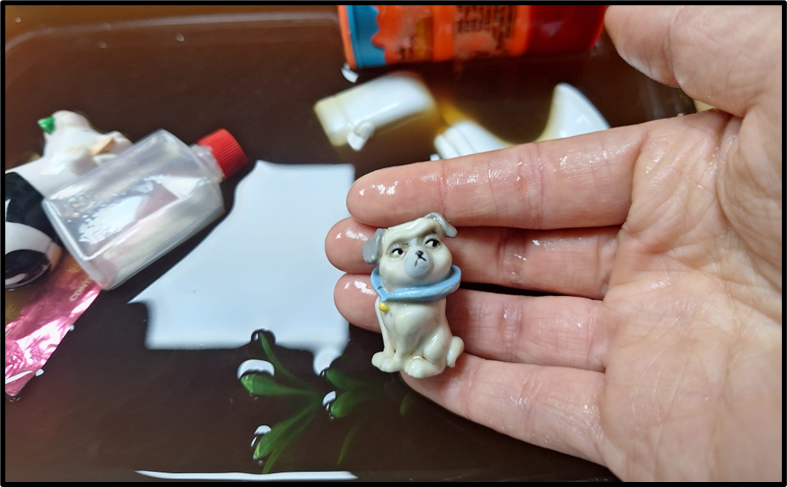
Photo of the toy dog in the pollution tank to represent how pets can be an unexpected source of pollution, due to flea treatments using several potent insecticides.
These pesticides can make their way into river ecosystems several ways. Contamination can occur from treated dogs swimming in rivers, or from washing clothes and bedding which have had flea treatment rub off on them. Insects that live in rivers, such as mayfly and dragonfly larvae (vital parts of the food chain for fish, birds, and bats), are particularly vulnerable to these toxic chemicals. Suggested alternatives to using chemical flea treatments are regular grooming, using herbal shampoos with naturally flea-repelling properties, and flea-repellent collars that use essential oils to deter fleas. As with any treatment, it’s important to consult with a veterinarian before using alternative flea-treatments on your pet.
[1] Flea-mergency: Pet treatments taking a bite out of the health of England’s Rivers. The Rivers Trust. Available at: https://theriverstrust.org/about-us/news/flea-mergency-pet-treatments-taking-a-bite-out-of-the-health-of-englands-rivers
There is an online events calendar at https://dcrt.org.uk/events-calendar/ for future happenings with DCRT in Doncaster. If you’re interested in conservation volunteering and heritage events in Doncaster, please check out DCRT’s website or social media.