What is a bioblitz?
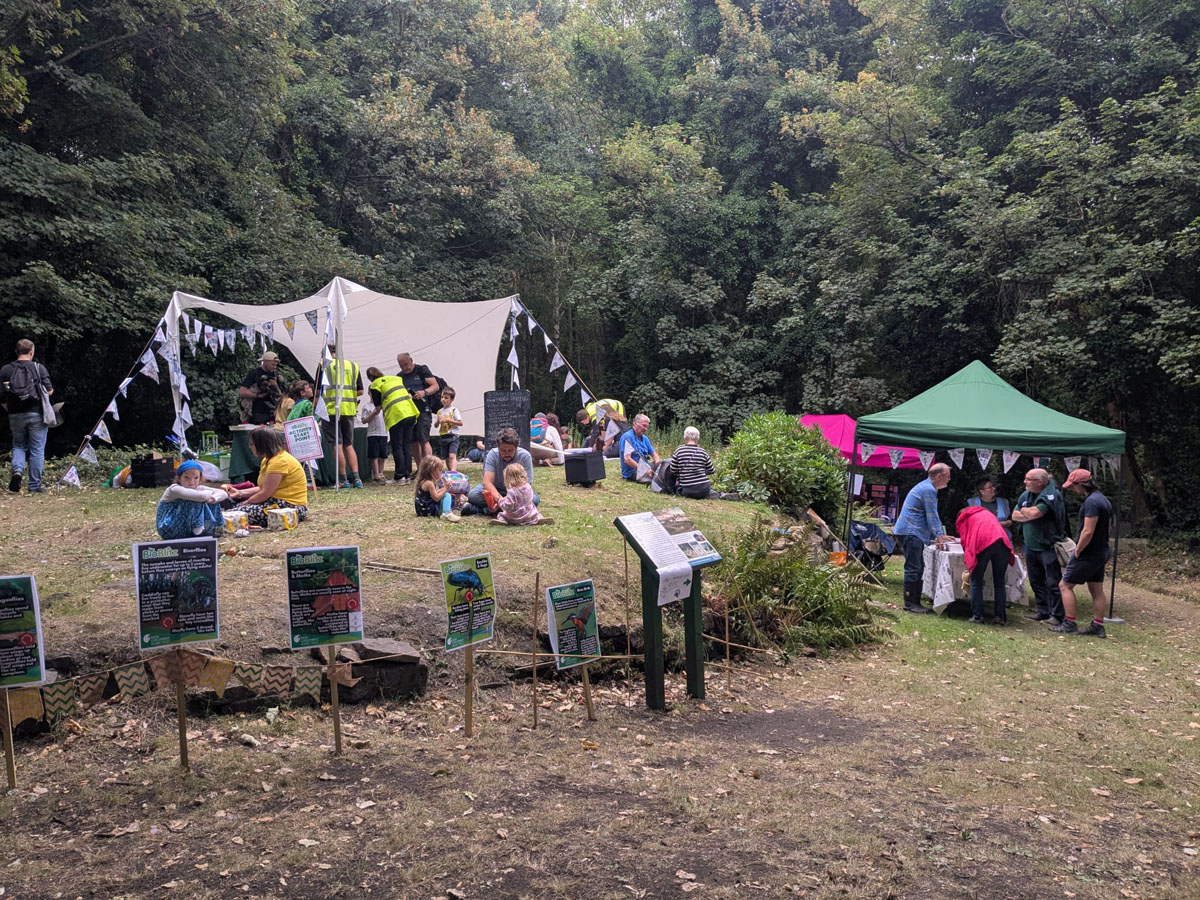
‘Bio’ means ‘life’ and ‘Blitz’ means ‘to do something quickly and intensively’. Together they make ‘BioBlitz’, a collaborative race against the clock to discover as many species of plants, animals and fungi as possible in a set location in just 24 hours. Community volunteers, expert scientists, local people and families work together to find, count and record all the creatures, critters and crawlies they can find!
What bugs, birds and beasties were found at Wardsend Cemetery?
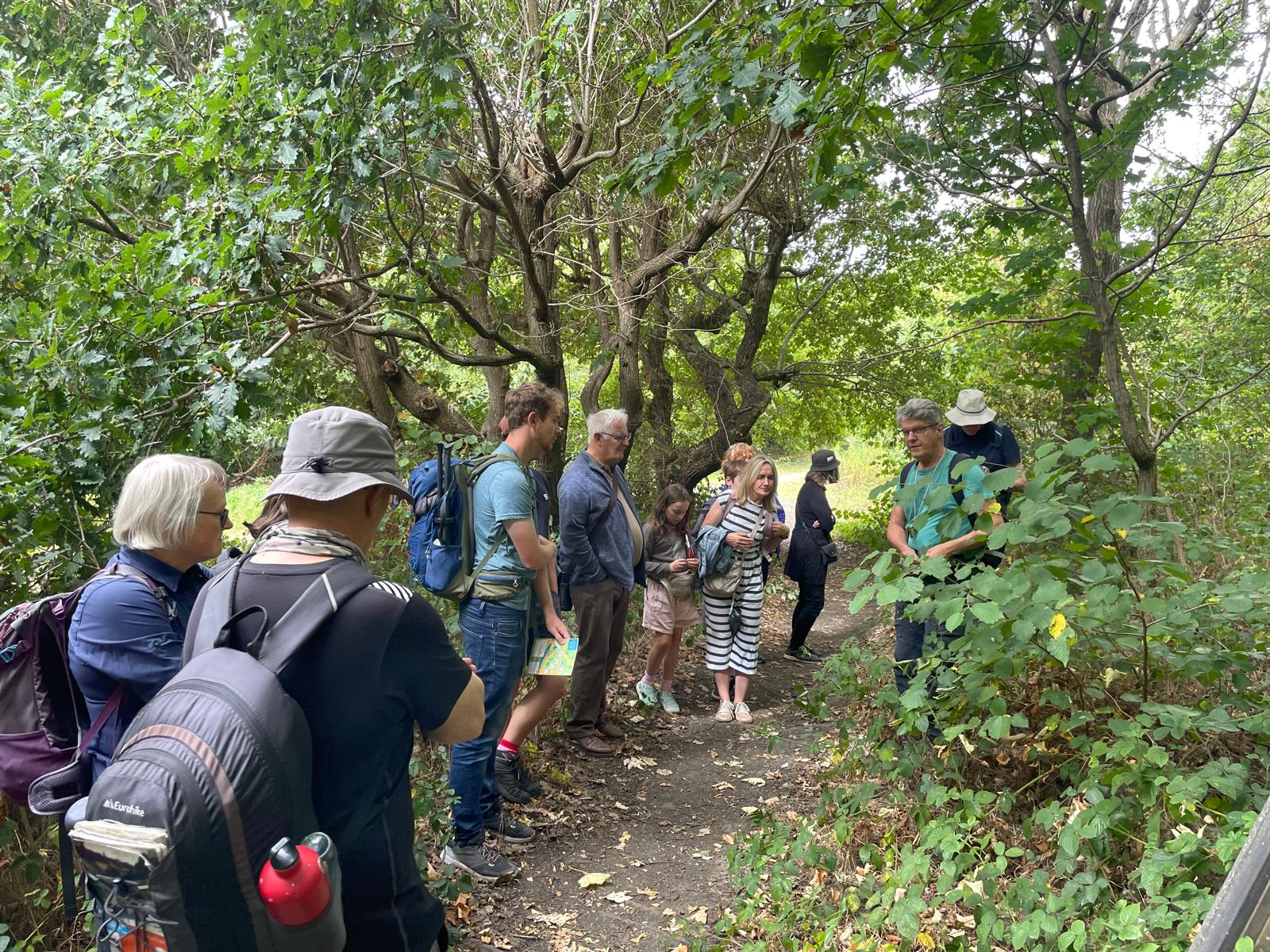
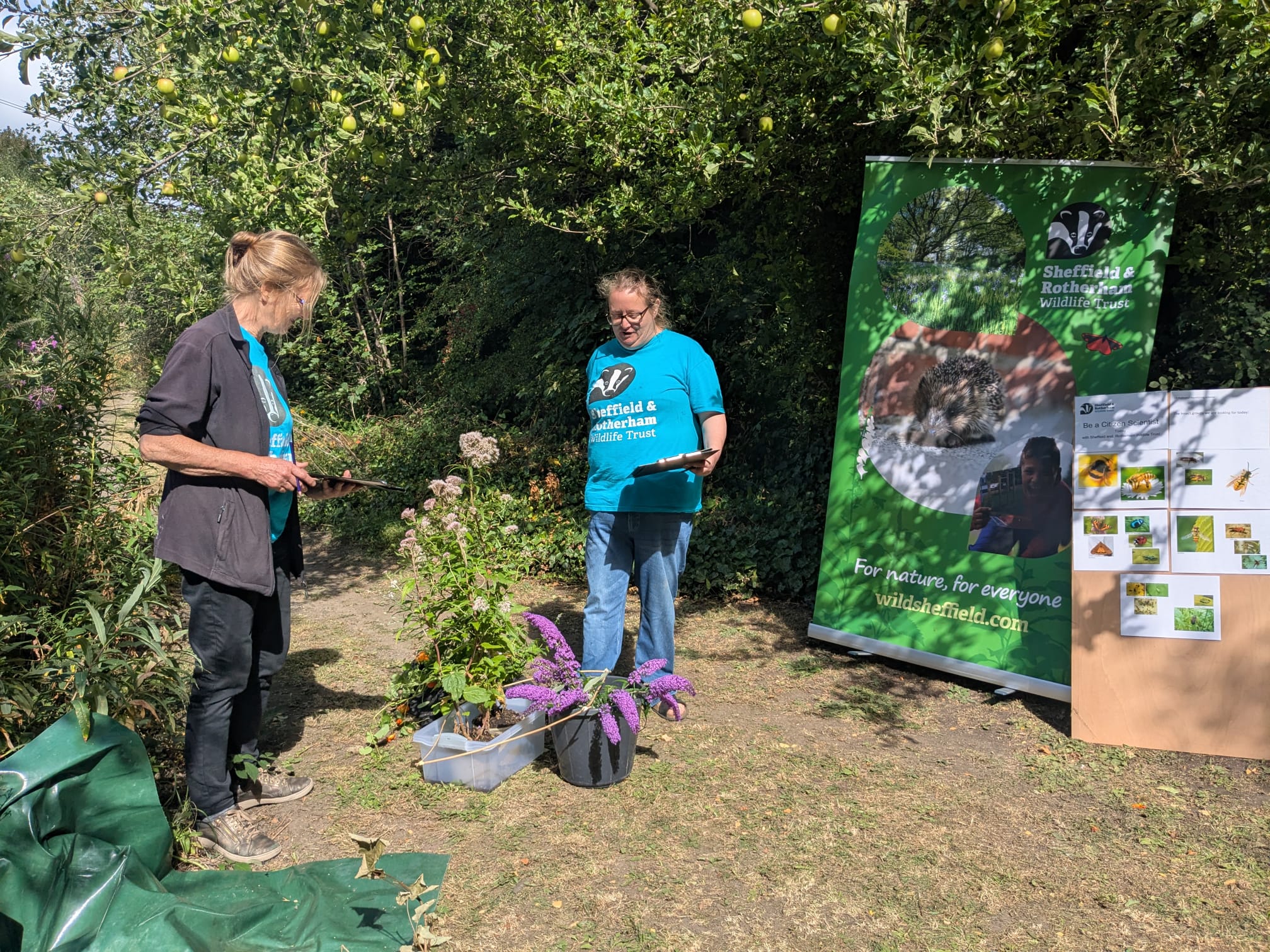
For this year’s Bioblitz, there was a real focus on river nature, with Sheffield River Rangers finding freshwater invertebrates and a special survey of freshwater fish that found 4 species – brown trout, grayling, bullhead & minnow. We were also joined by experts including Gerry Firkins, who led a botany walk of the cemetery that found 27 species of flowering plant; Sean Ashton set up an evening moth trap; and Jenny King and Mary from Sheffield & Rotherham Wildlife Trust, who ran a pollinator count.
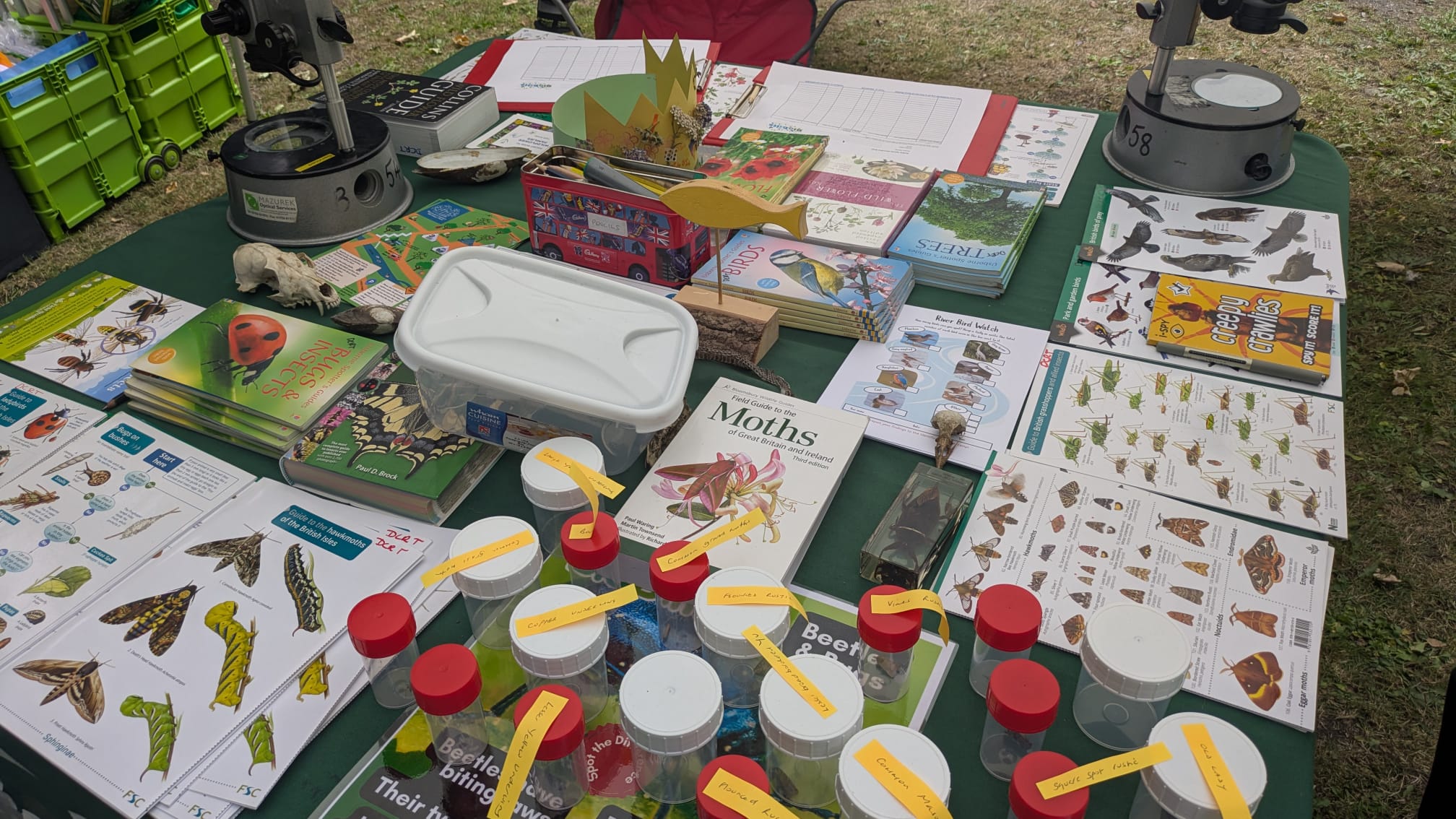
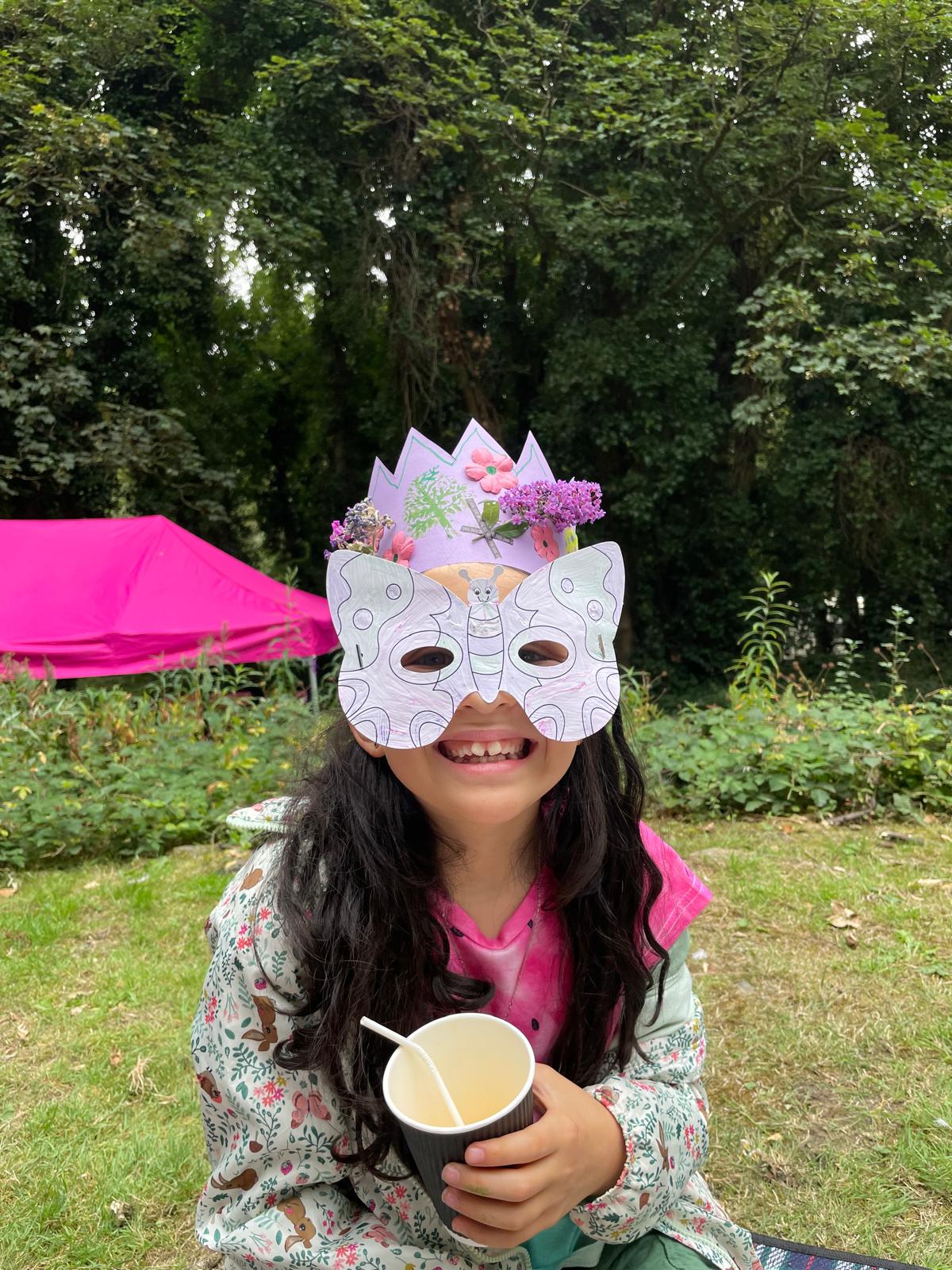
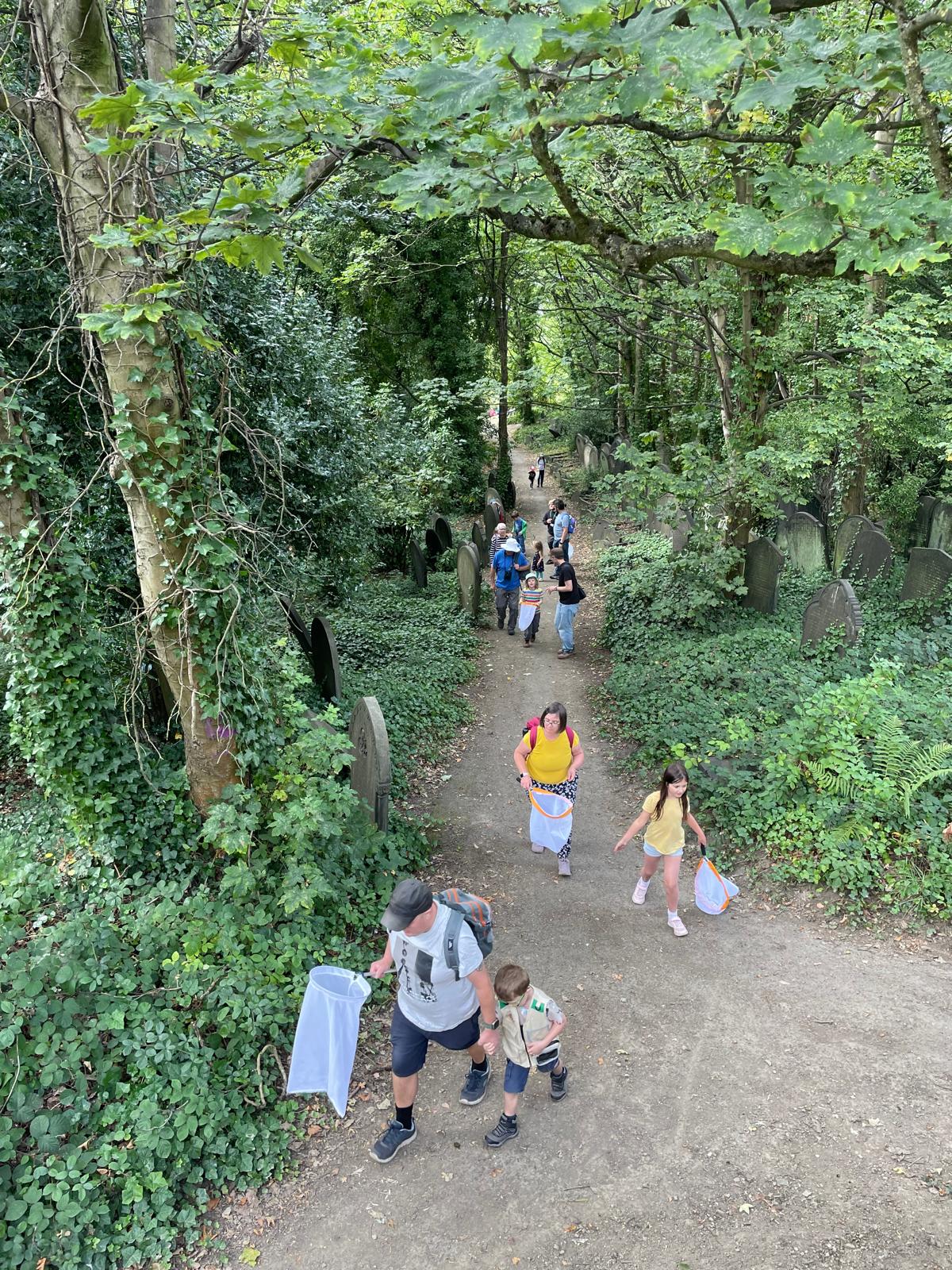
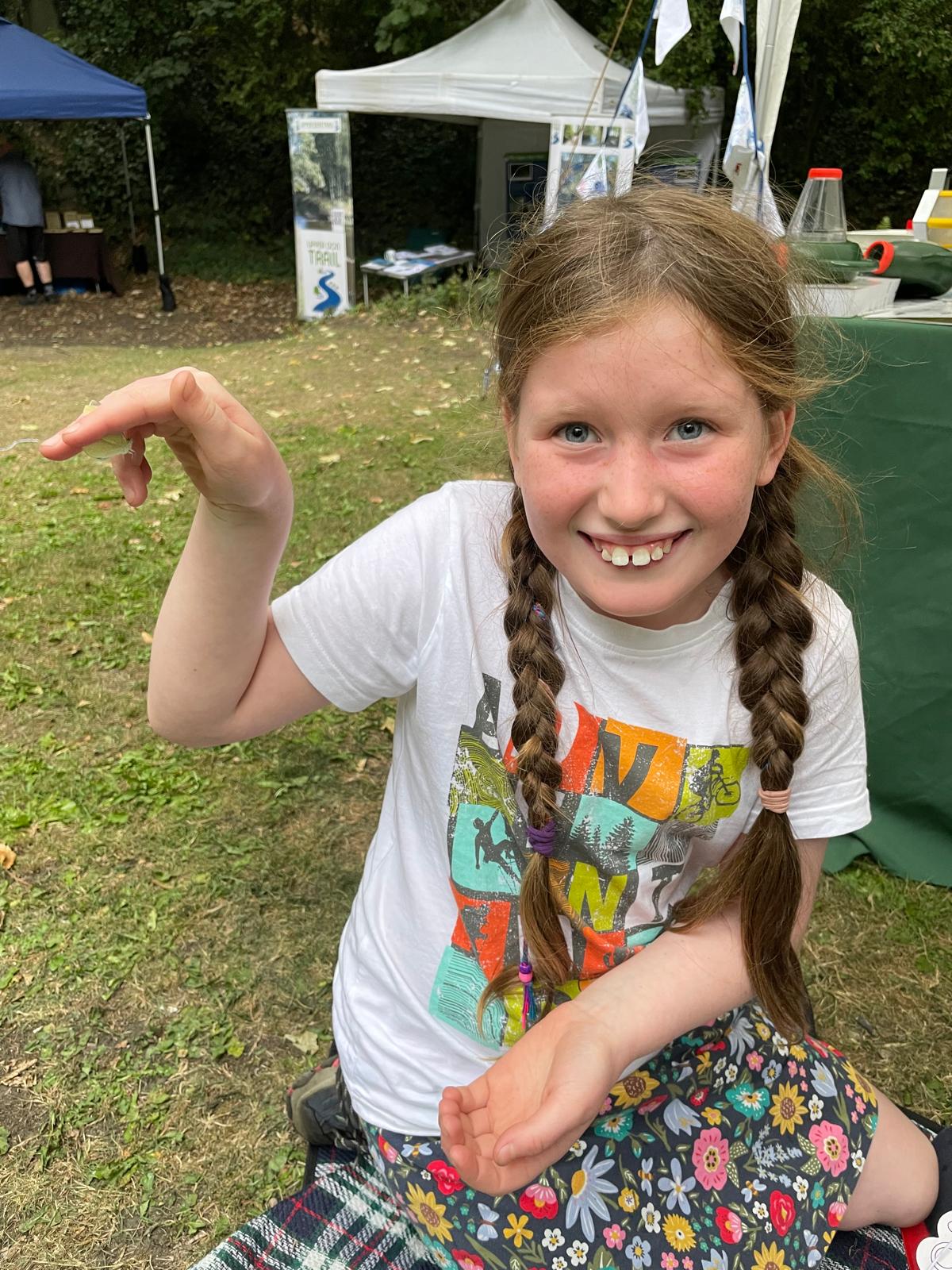
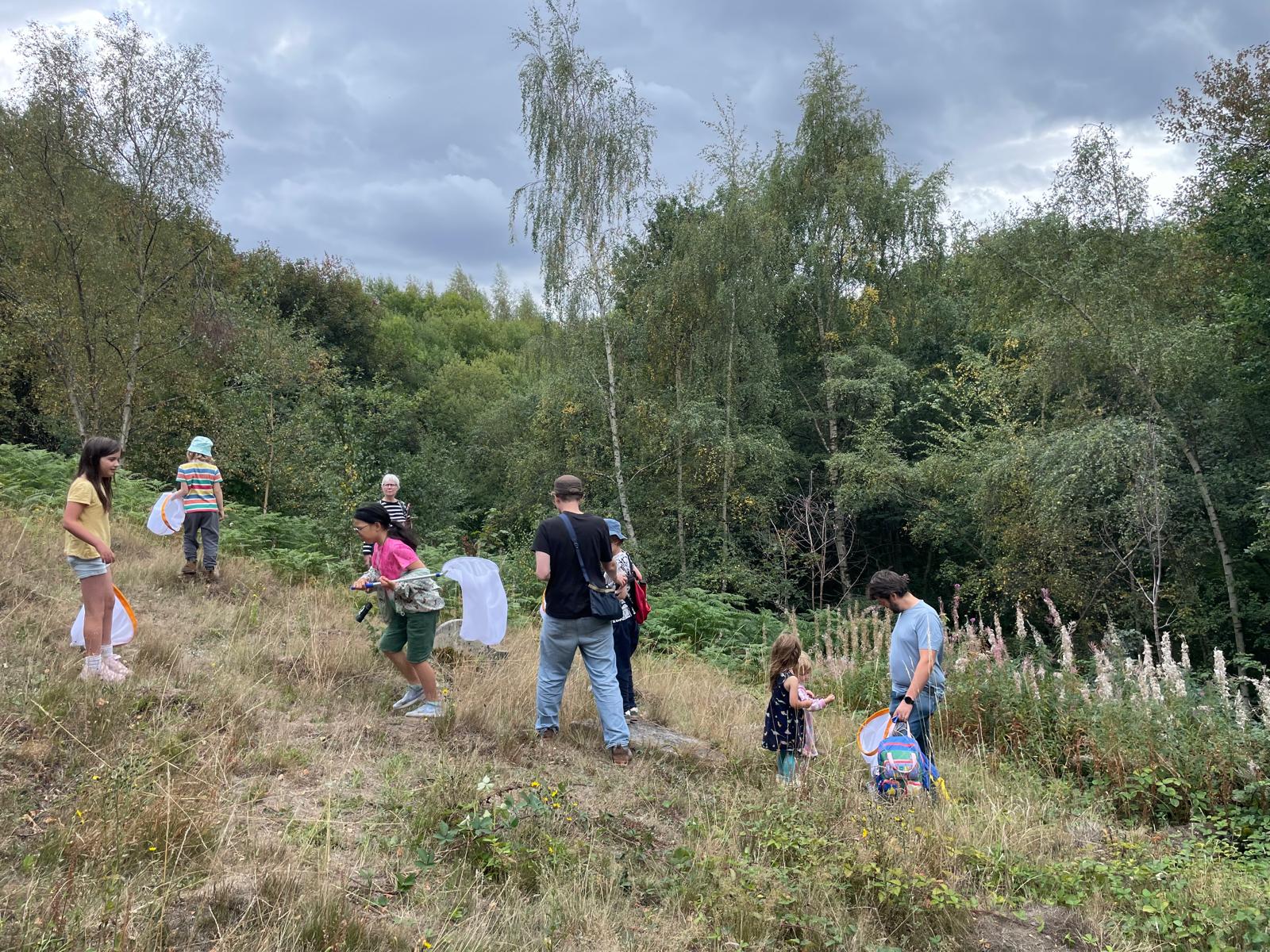
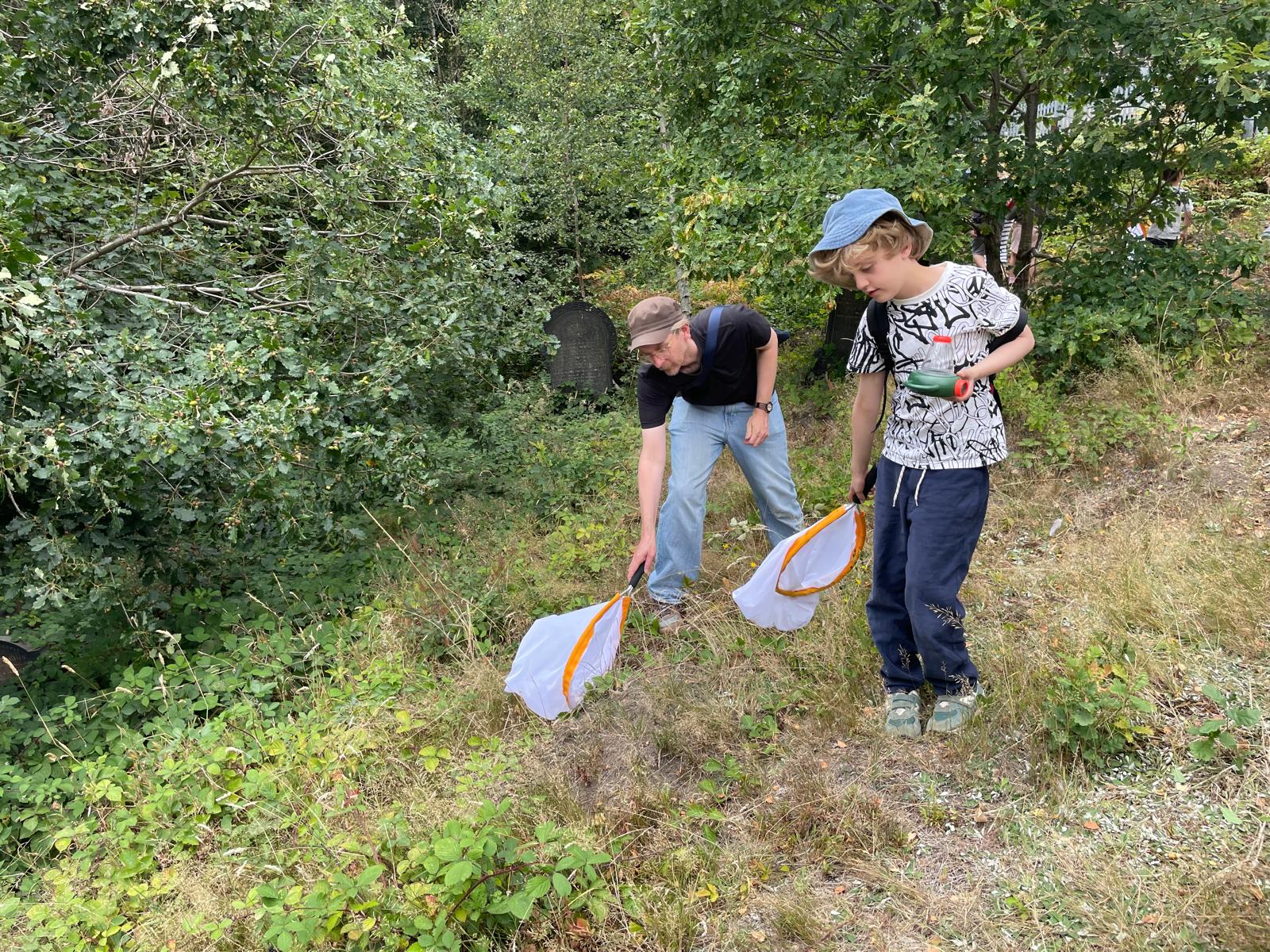
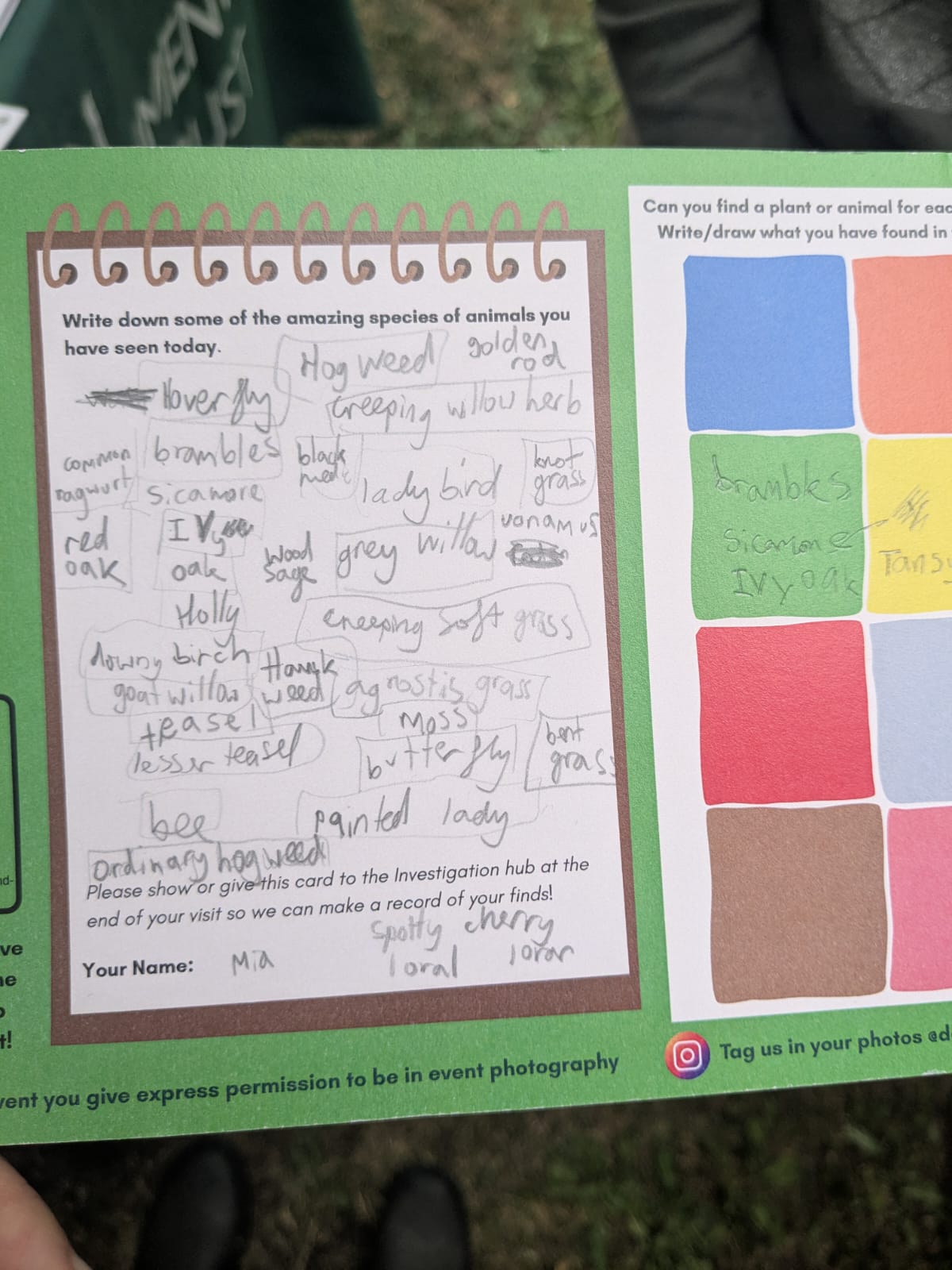
But the real experts were all of the little ones who helped us count and identify nature on our river bird walk, minibeast safari and big butterfly count! We were so impressed at your knowledge of UK wildlife and some of you even taught us a few things! We hope you continue helping to catch, count and record the wonderful wildlife around you!
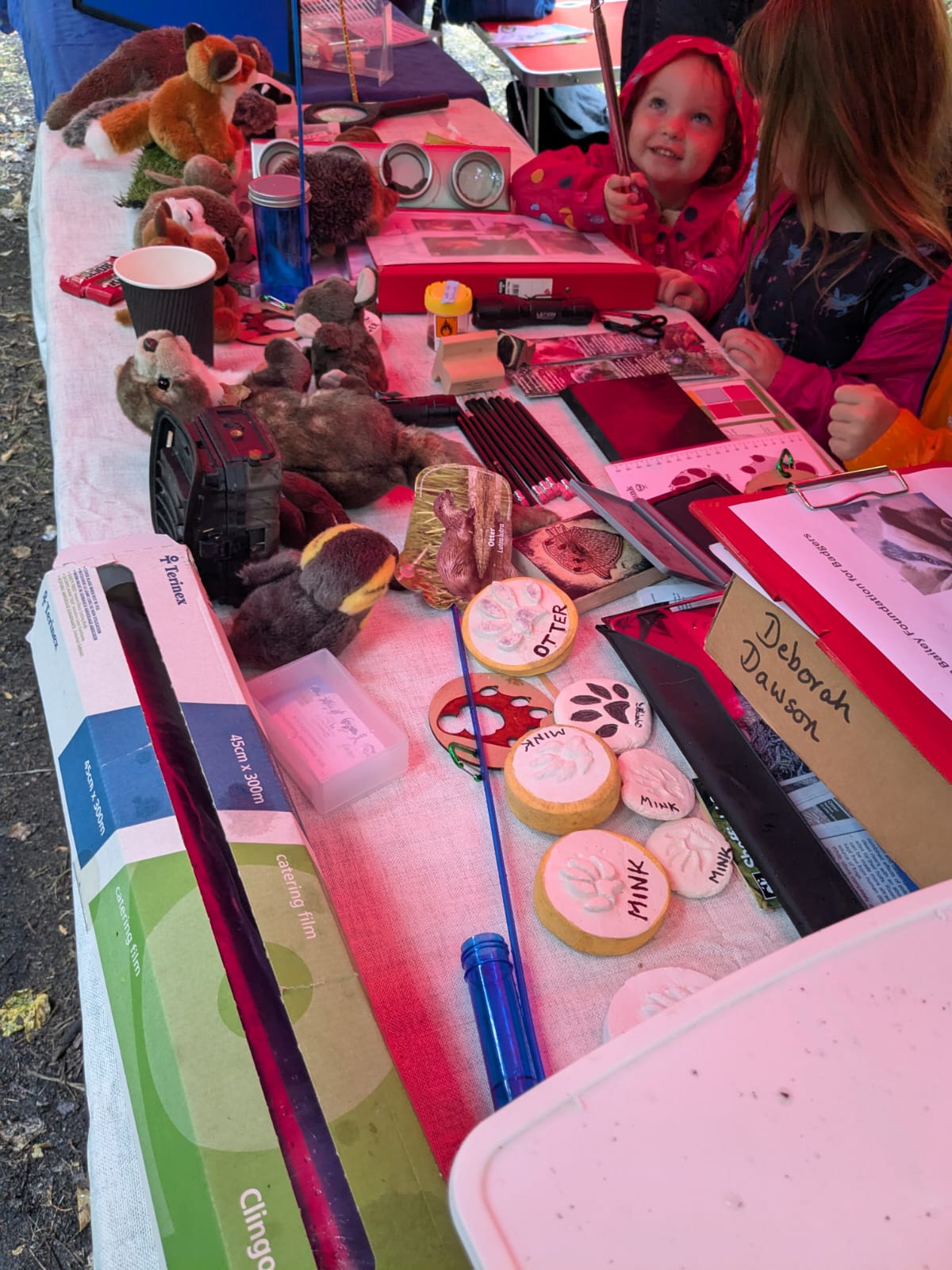
Families learnt about the secret life of otters with Deborah Dawson and Jennifer Stagg from the University of Sheffield and, learnt about bird nests with the Friends of Wardsend Cemetery. Stalls and activities from the Upper Don Trail Trust & Friends of Parkwood Springs helped visitors learn about local nature walks nearby.
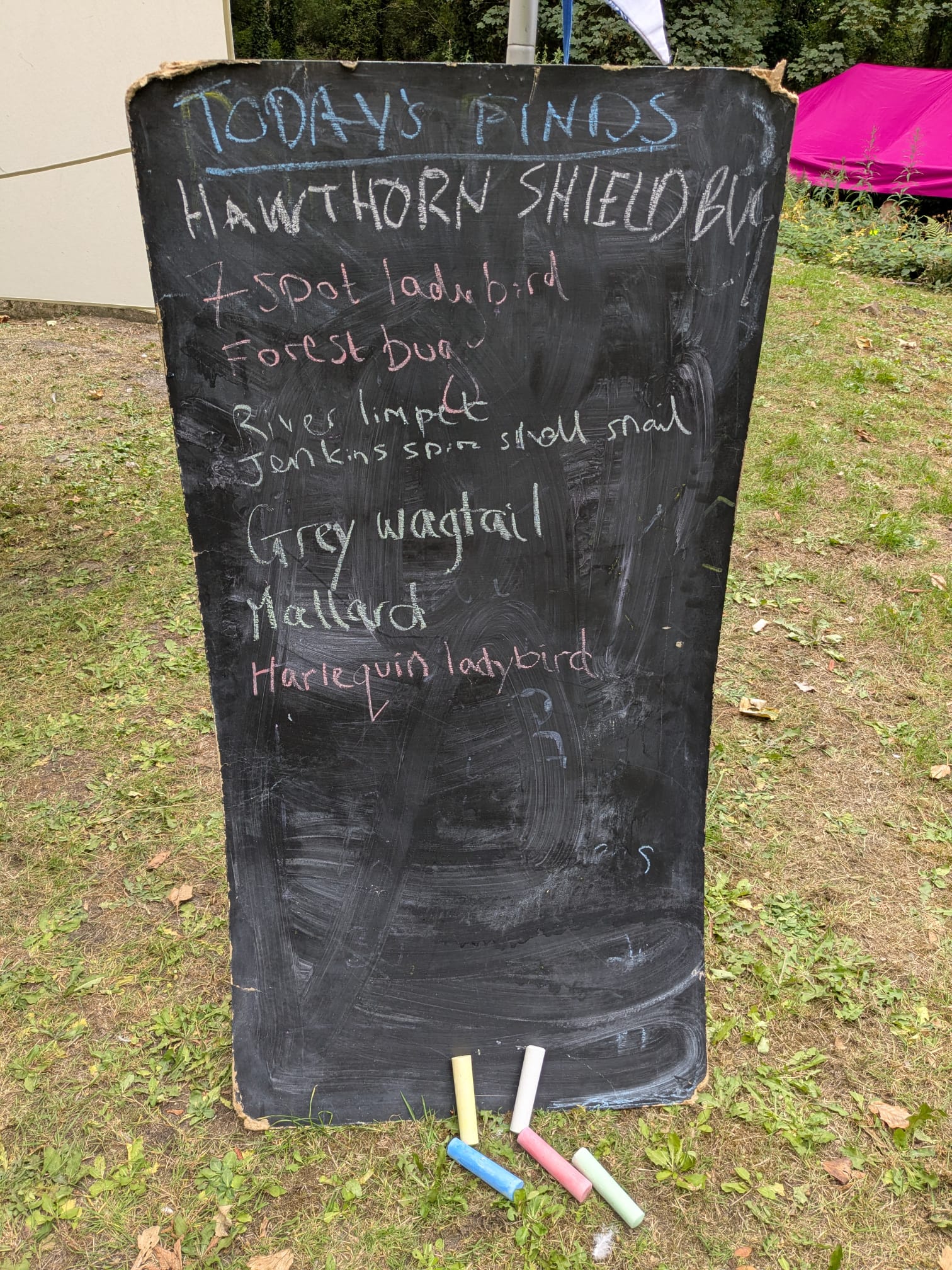
In total we found 76 records of 60 different species, which you can observe on iRecord.
What does the data show?
2025 has been a wonderful year for nature in the UK. After the very wet and cold summer of 2024, nature really did seem to bounce back this year during our dry, warm Spring and Summer.
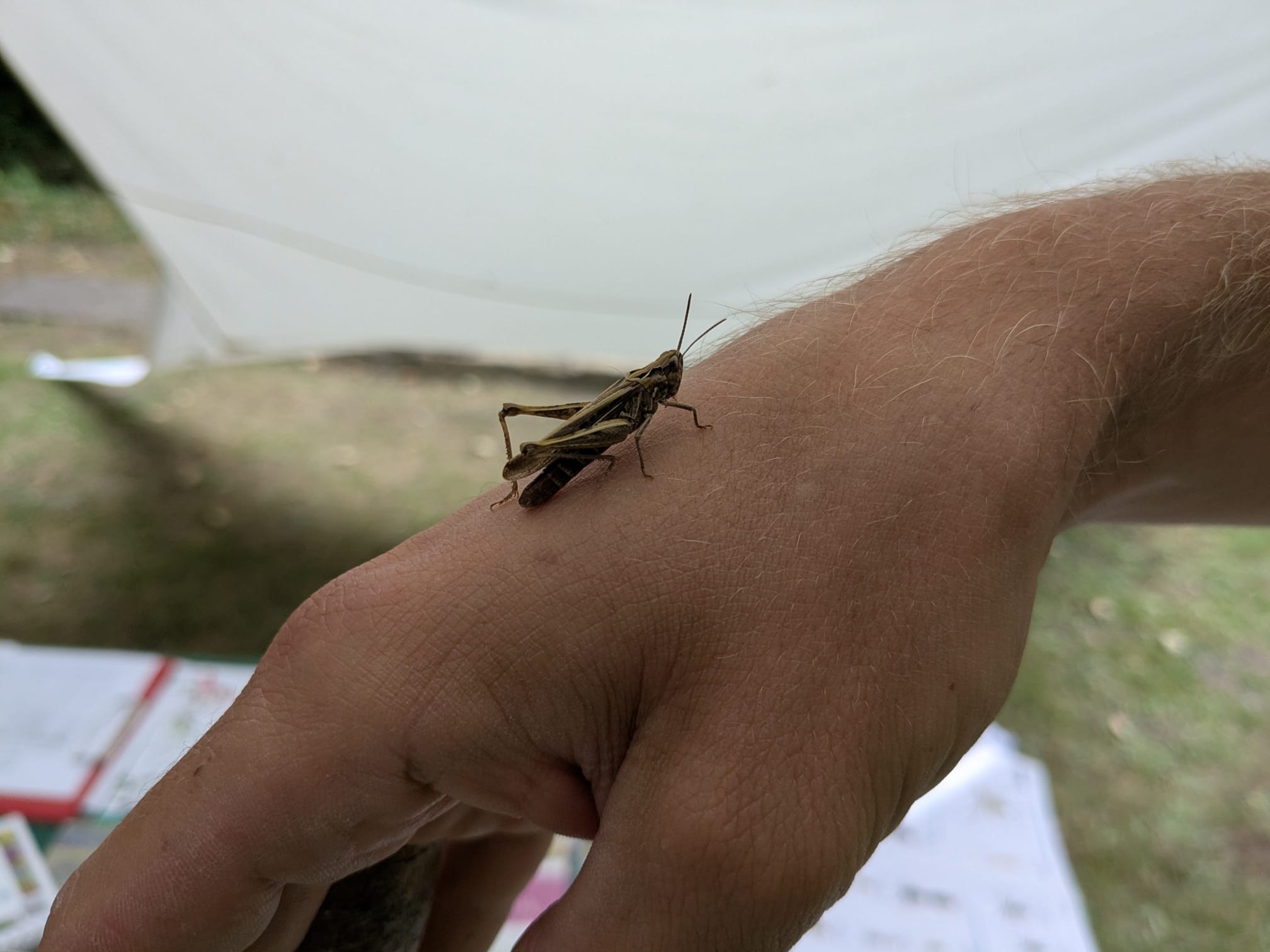
We found 12 species of moth in the Bioblitz moth trap, including the flounced rustic which was a new species for the area! The bioblitz recorded a high number of ladybirds, including the native seven-spot ladybird, as well as other interesting insects such as the field grasshopper and small copper butterfly.
The boom in insect life and the dry spring supported a high percentage of fledglings from the Wardsend nest boxes, which were first installed in 2022. This year, Sean Ashton, a dedicated volunteer who checks the boxes, reported 46 out of 47 hatched chicks fledged the nest successfully. Sean also recorded our first nest box of great tits, which had 7 chicks!
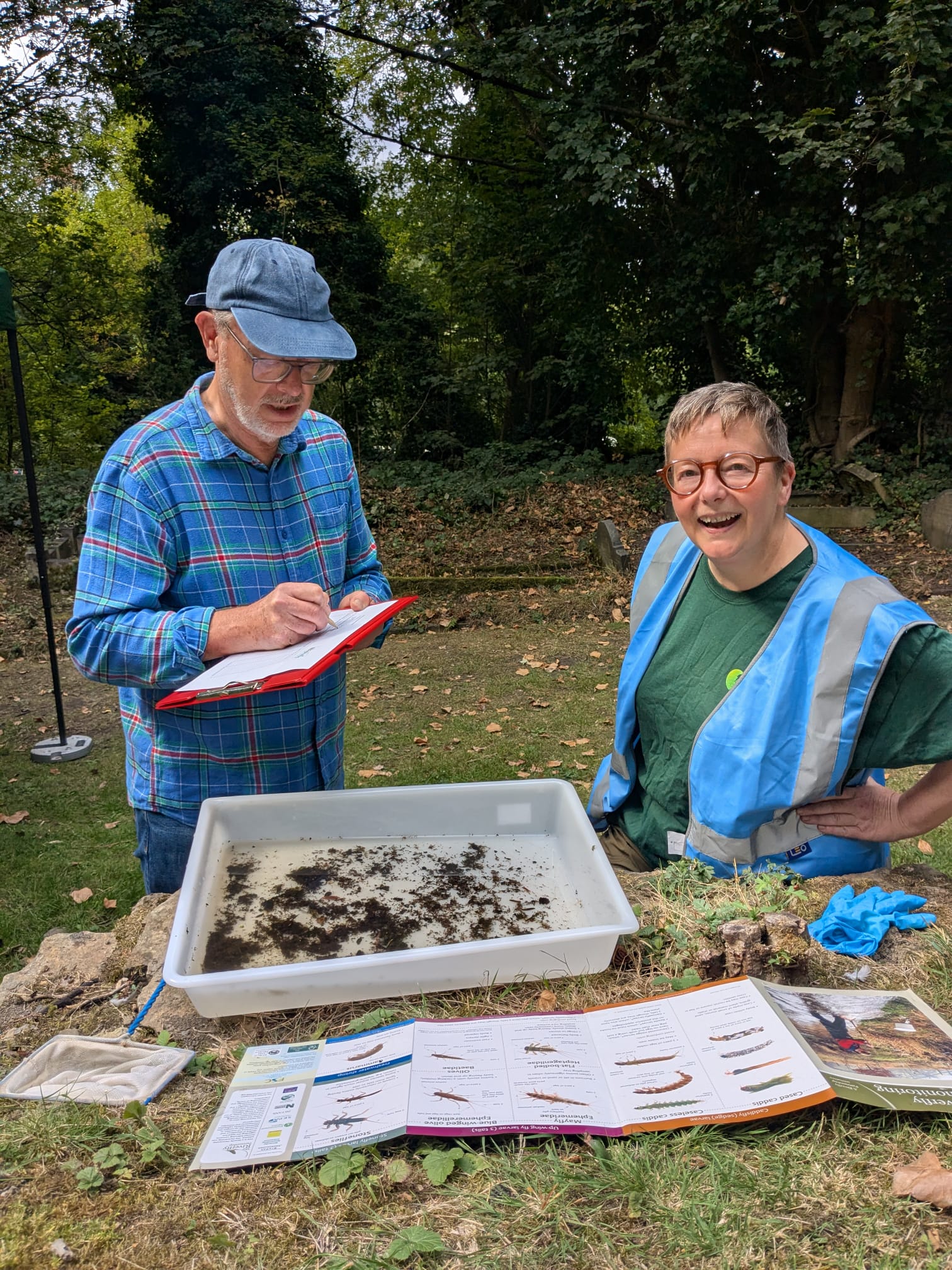
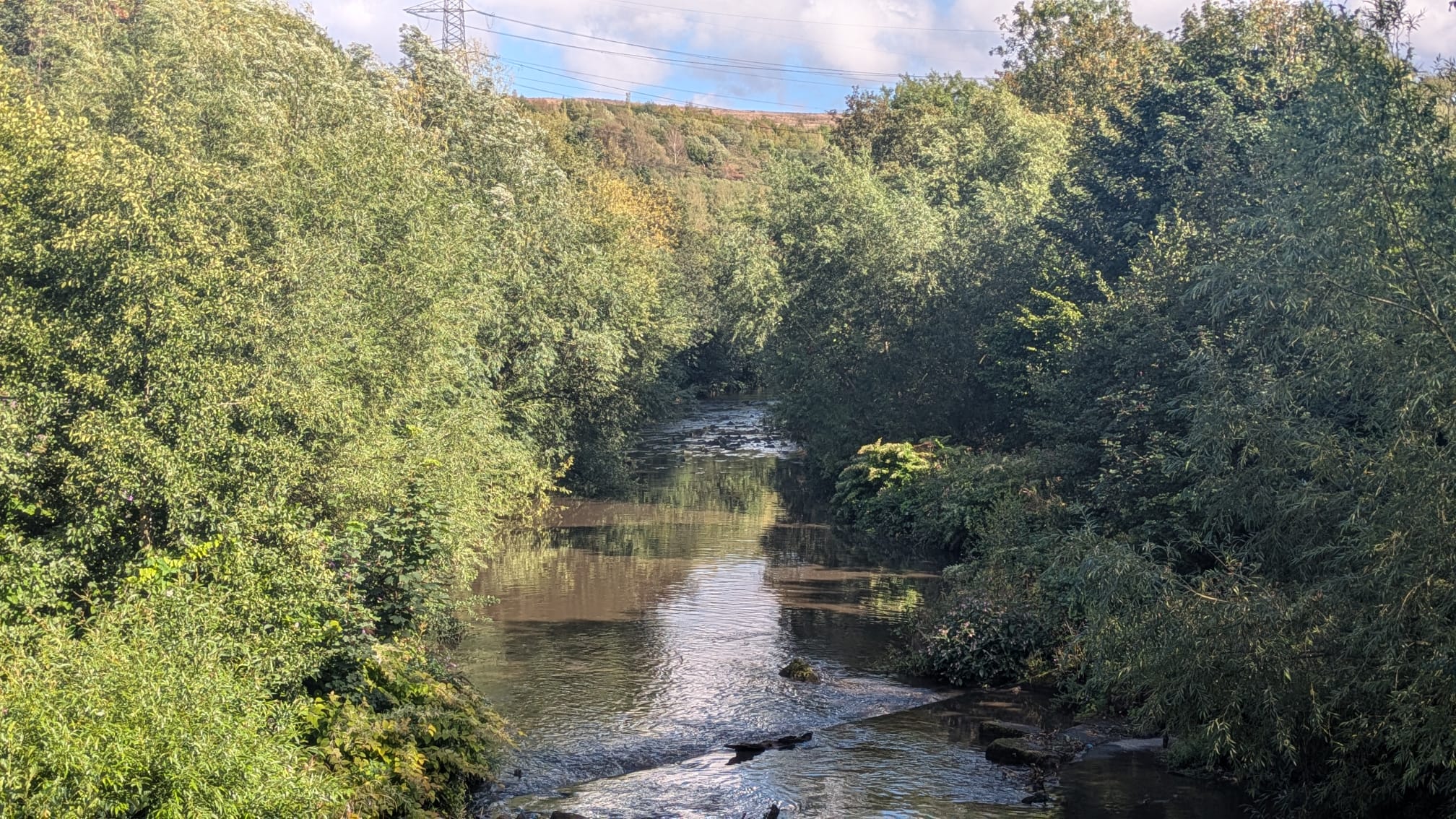
Since Spring, we’ve had very little rain, affecting the river and surrounding wildlife. Berries and fruit have arrived almost a month early, which is a concern for wildlife that survives off these later food sources come autumn. Our rivers are also looking very low, with some experiencing harsh drought conditions and consequent drops in freshwater invertebrate numbers. Although, volunteers from the Sheffield River Rangers, Paul Hancock, Joanne Lee and Paul Cottenham, did still find 13 different freshwater invertebrate species from the river Don on the day!
Why is it important to collect biological data?
As our natural world becomes more and more depleted, it’s vital that we understand what species are thriving, and where. Data can also show us which species or habitats are struggling and may need conservation or protection. As UK weather patterns and climate become increasingly changeable, biological records also provide useful insights into how nature is responding. An example of this is the early fruiting times we have seen this year!
What was the best bit of the day?
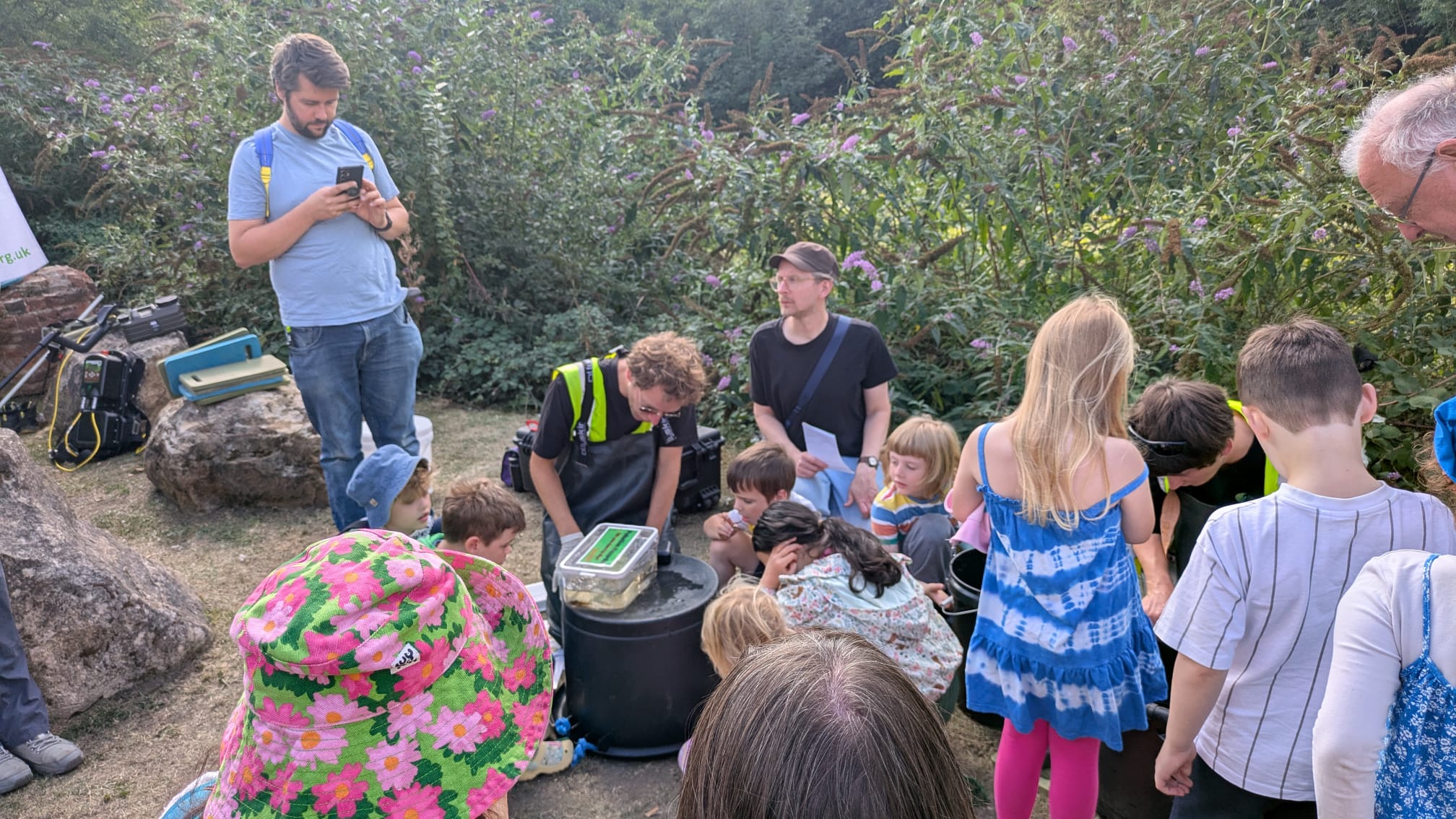
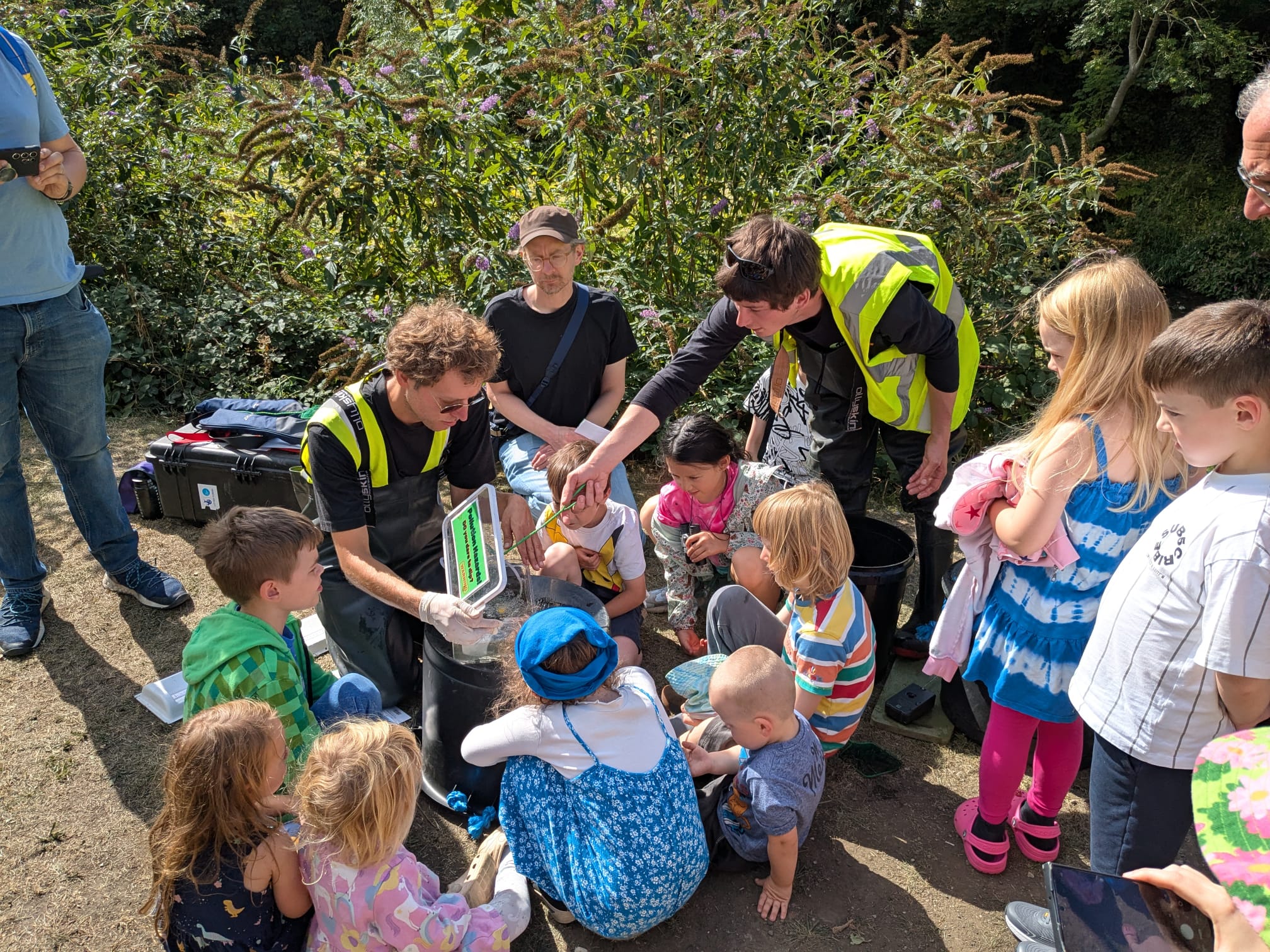
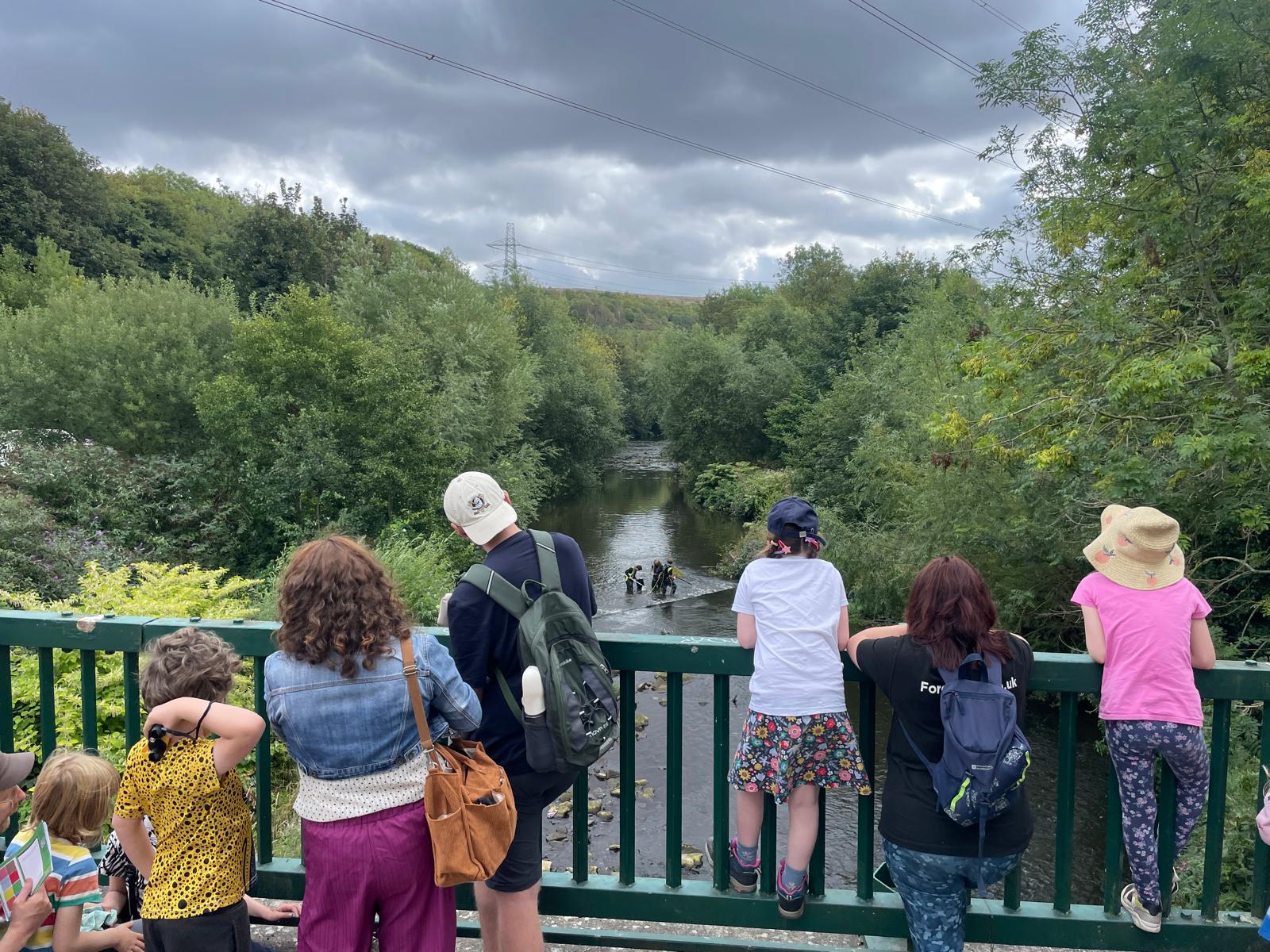
The favourite activity was our electro-fishing demonstration led by DCRT’s Matt Duffy. Matt demonstrated how we use equipment which sends out an electrical pulse to draw fish in the river towards nets. The fish are temporarily stunned, allowing us to catch them in the net and record what we have found. No fish are harmed in the process and all fish are treated with care and put back into the river, after their size, species and general health is recorded. Last month a salmon parr was found using this method, just up the road from Wardsend Cemetery so it is a really useful method for us to understand what’s living underwater!
And the worst bit?
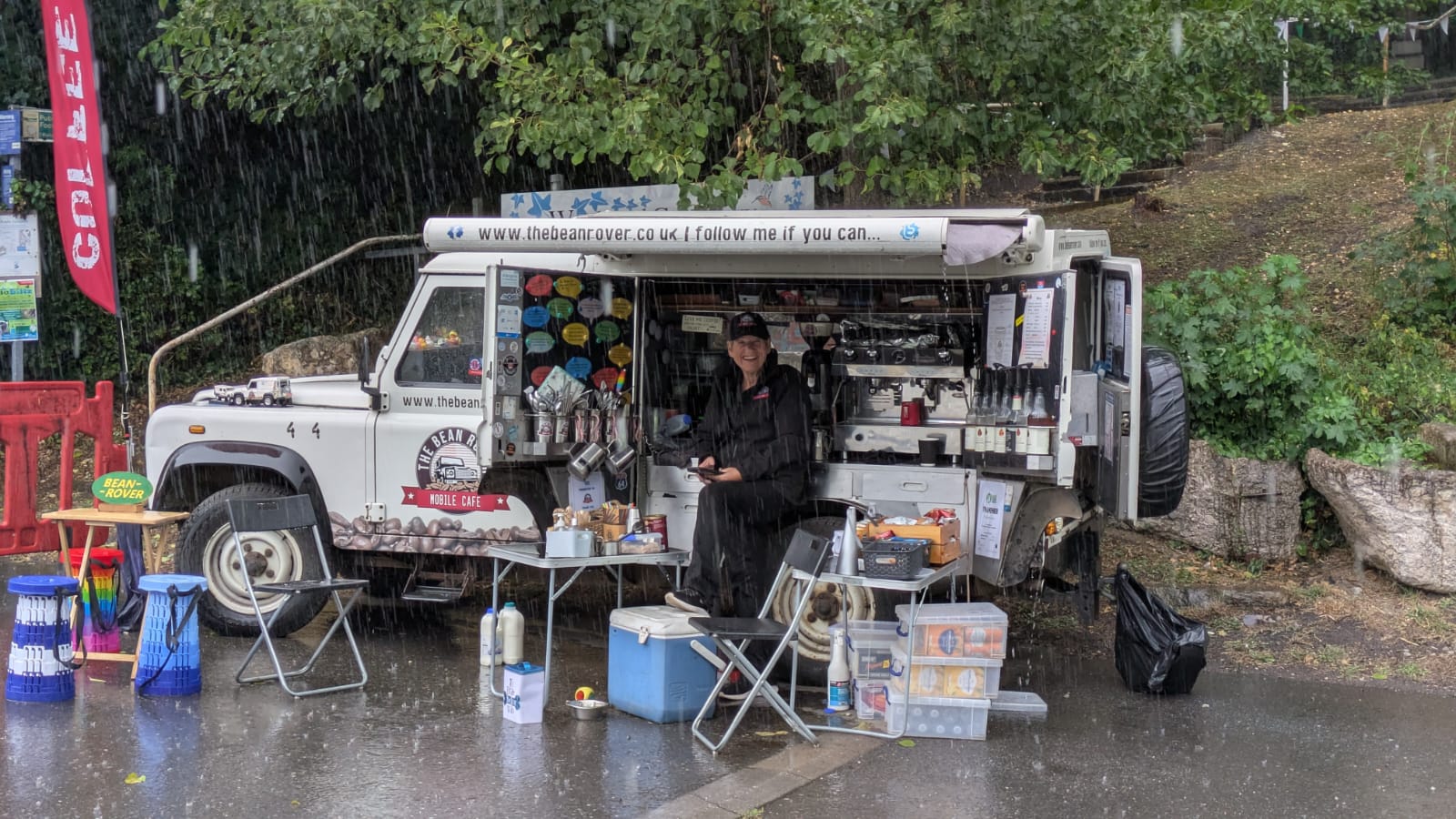
The least favourite part of the day was the huge storm that arrived… but it did give us some much needed rain at last!
What did visitors have to say about the Bioblitz?
“It was a wonderful day. Our grandchildren and we enjoyed it immensely. Thank you to everyone who organised and took part in this event”
“What a fantastic event! It was wonderful to discover such an interesting local area that I haven’t visited before…”
“A brilliant event, thank you to everyone involved!”
“My son loved it, especially learning about ladybirds! And how many different types”
“It was brilliant – my boys and I loved it”
“This was amazing”
“Great event, well organised and informative – well done!”