Join us for the next part of the Salmon’s Tale! In this blogging series by DCRT trustee Chris Firth, follow Salmo the salmon smolt as he travels from the River Don’s headwaters to the low, meandering reaches of the river. Learn which fish species inhabit the three different reaches of the Don and pick up some of Chris’s expert identification tips along the way…
For several weeks Salmo the salmon smolt had been experiencing new, and rather strange feelings. He noticed his shape was changing and his scales were becoming a brighter and brighter silver, but most of all he had this compelling urge to leave the area of river in which he had existed for the last two years. The urge was growing stronger and eventually could not be resisted. He began to descend down the river.
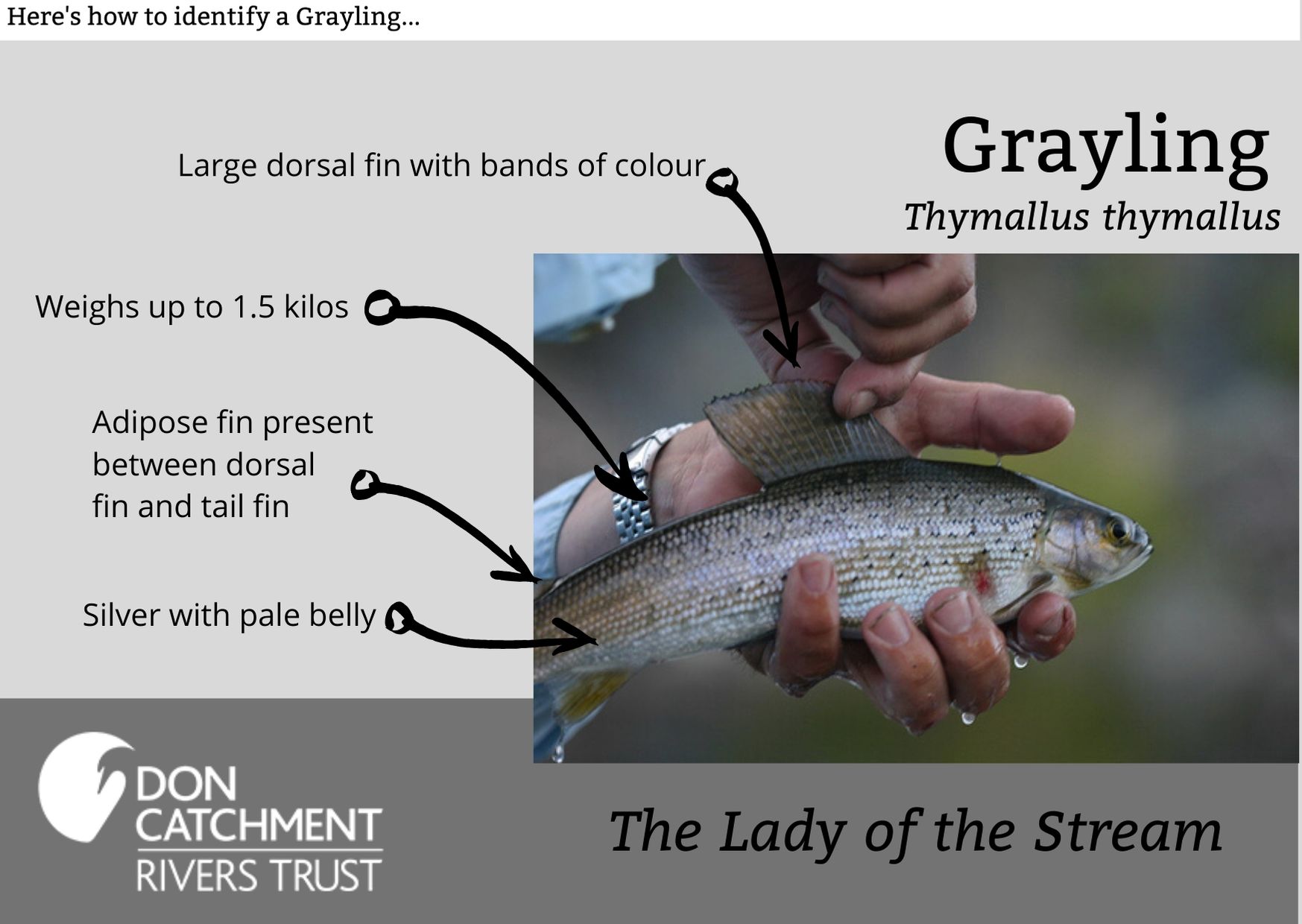
The water helped him to drop down, further and futher, swimming backwards most the way. As he decended he noticed that the environment was slowly beginning to change. The river was widening and deeper pools began to appear in which he noticed much larger brown trout. Some of the fish were very aggressive and chased him away. In one of the pools he noticed strange fish which he had never encountered before. They were silvery in appearance but as they turned a flash of green or purple was obvious, particularly on their dorsal fins which were long and seemed to wave in the current. There were more than 30 fish in the shoal and they were intent on taking small flies from the surface. Can you guess this species? Scroll to the bottom for identification!
After two days he noticed that the flow had slowed down and as he looked around noticed several small silver fish which were identical to himself. They were all facing what appeared to be a wall across the river over which just a trickle of water was spilling. For several hours he and the other smolts remained confused and reluctant to try to go over the wall but eventually they found a small notch in the structure where the water was slightly deeper. Over he went dropping several feet into a pool below.
Over the next several days he was to encounter more than a dozen of these structures and his reluctance to descend them diminished. The river was getting much wider now and the pools much deeper. On one occasion whilst he and his fellow smolts rested before descending, he saw through the water surface a large grey bird which lunged forward grabbing the smolt alongside him. The captured fish shook in an attempt to free itself but to no avail. It disappeared down the throat of the bird. Salmo dived towards the sanctuary of the deepest part of the pool as quickly as he could.
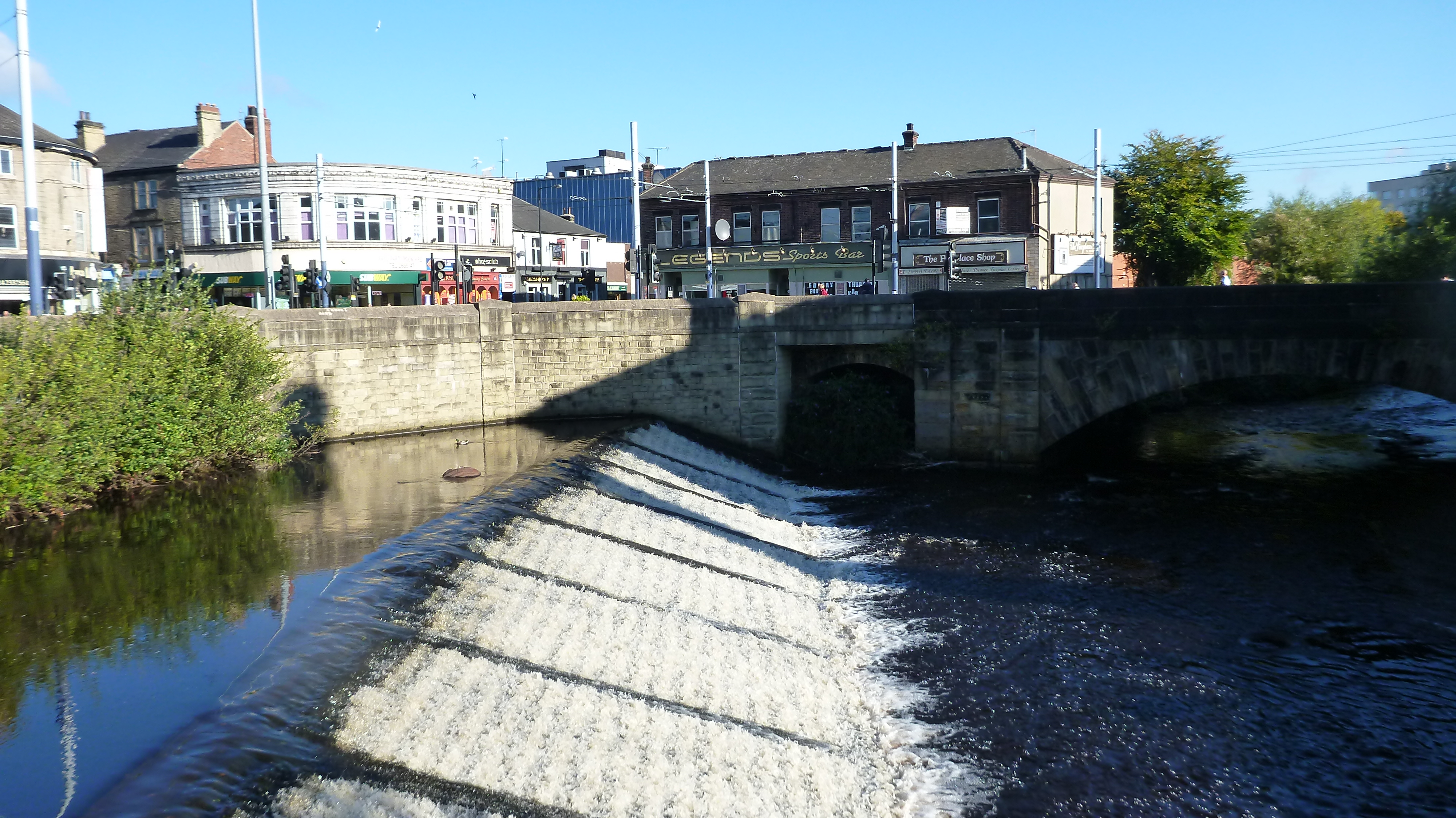
Over the next few days the descent involved several changes in the conditions. Several smaller streams merged with the main river and each brought with it changes in the taste and smell of the water. The pools got much deeper and the channel wider. The silvery fish with the large dorsal fins appeared in greater abundance as did the number of brown trout. Weeds rooted to the bottom became more common providing cover from the increasing number of large trout and large grey birds that sought to consume him. He had reached the outskirts of Sheffield and despite what he had endured could not imagine the experiences that still awaited him downstream.
The species that salmo met on the first phase of his downstream journey were Grayling, sometimes called ‘ The Lady of the Stream’. This very attractive fish lives for up to 6 years and can weigh up to 1.5 kls. Grayling were the first fish species to be introduced to the Don as water quality improved on the upper river. The fish came from the River Hull at Driffield and were introduced to the river at Hazelhead in in 1983.