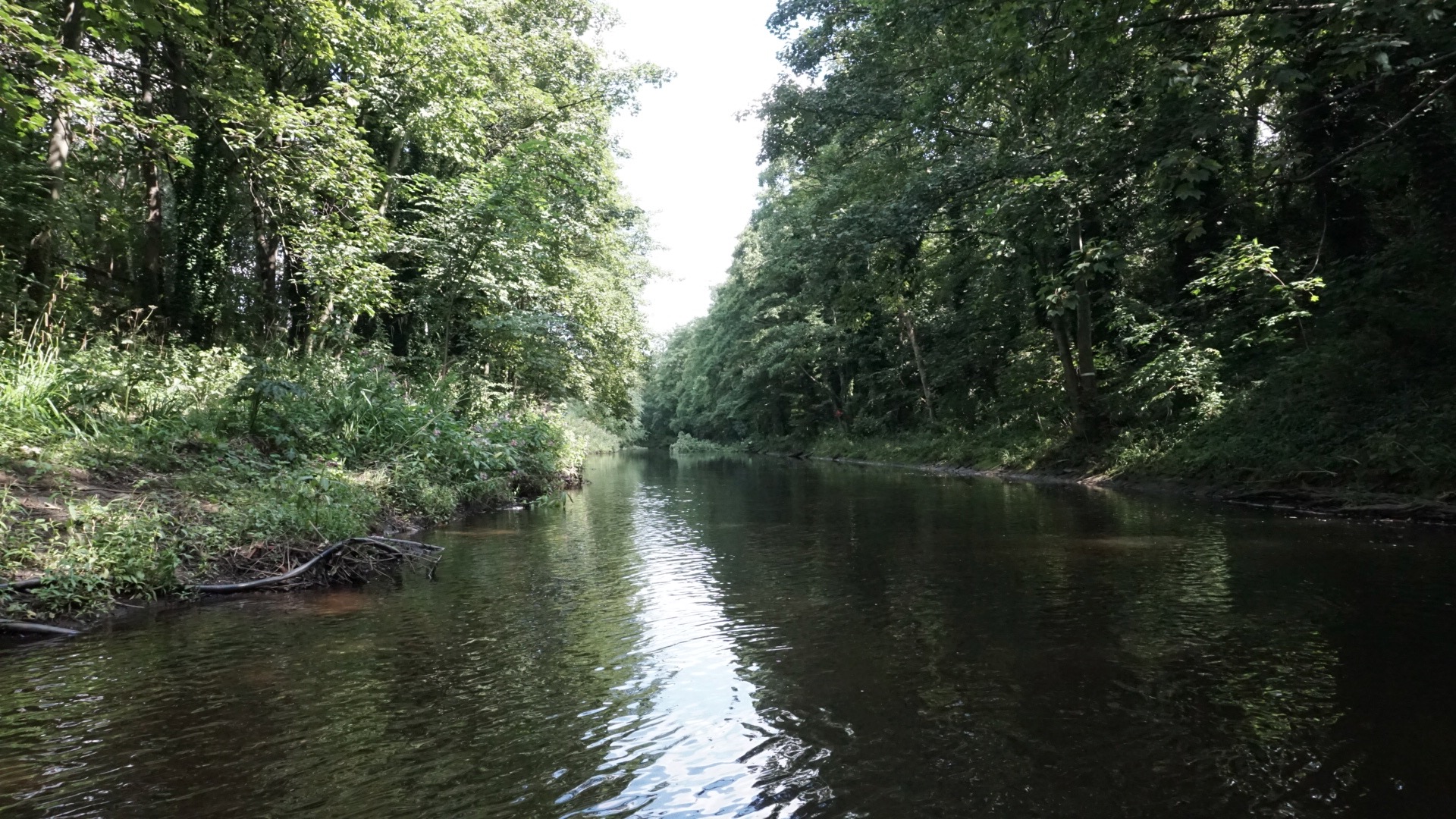
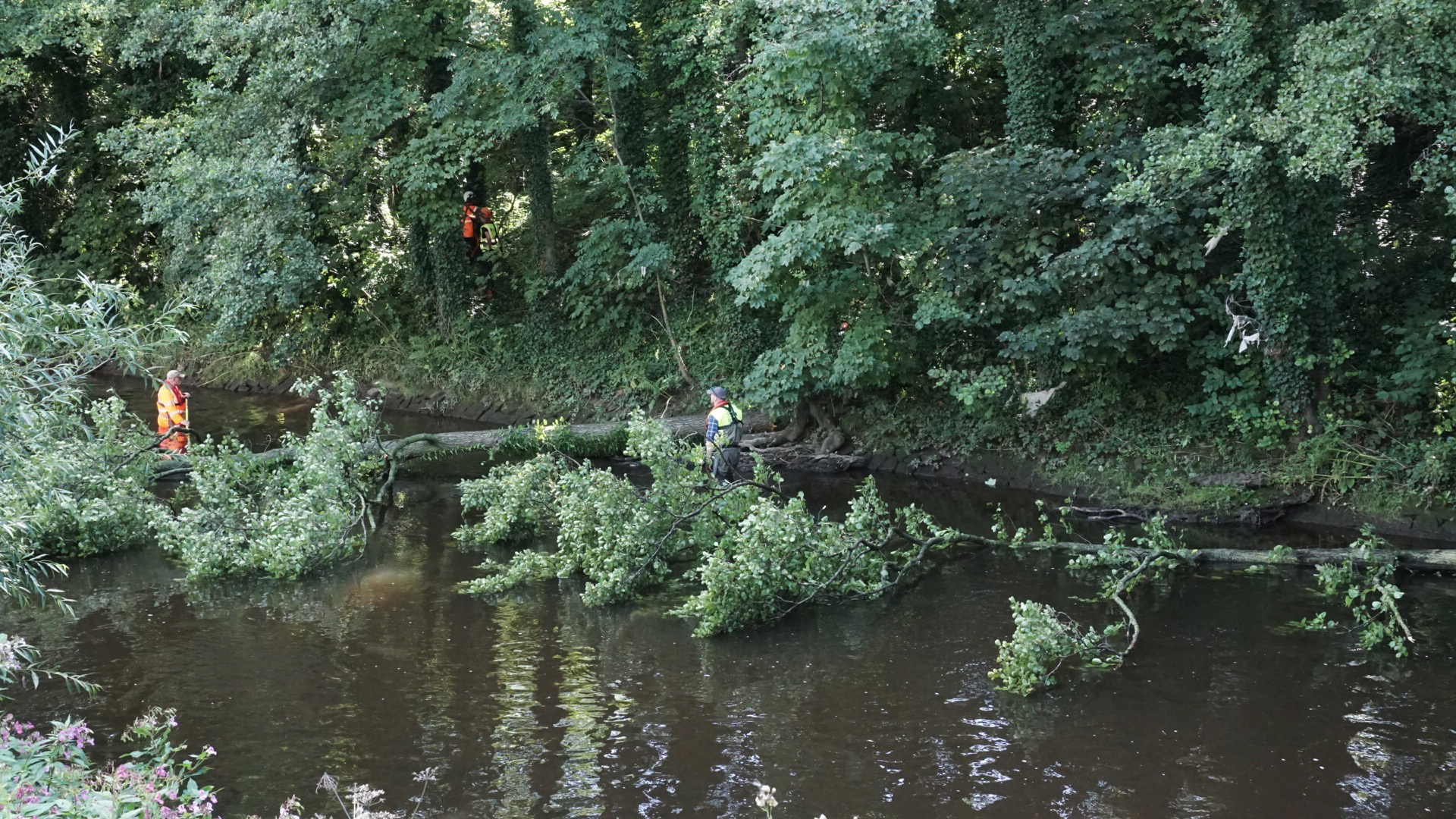
This summer Don Catchment Rivers Trust (DCRT) will embark on the ‘Wilder Salmon Pastures’ project to enhance habitat in the River Don at Salmon Pastures for its fishy namesake and other river species*1. Once abundant in the Don Catchment, with salmon runs now more commonly associated with remote Alaskan rivers, Atlantic salmon (scientific name – Salmo salar) became locally extinct when our rivers became grossly polluted and impounded by weirs.
In recent years, this magnificent migrating species has been able to naturally recolonise the River Don for the first time in over 200-years after weirs and other barriers to migration, have been made passable, and water quality has been improved. So much so, that a female (hen) salmon was found to have spawned within the Salmon Pastures river reach.
In 2020, DCRT unlocked the final barrier below Sheffield at Masborough weir (central Rotherham) meaning, in theory, migrating species should be able to make their way from feeding grounds in the northern Atlantic Ocean to their natural breeding grounds in the river valleys of South Yorkshire, including in the rivers of Sheffield.
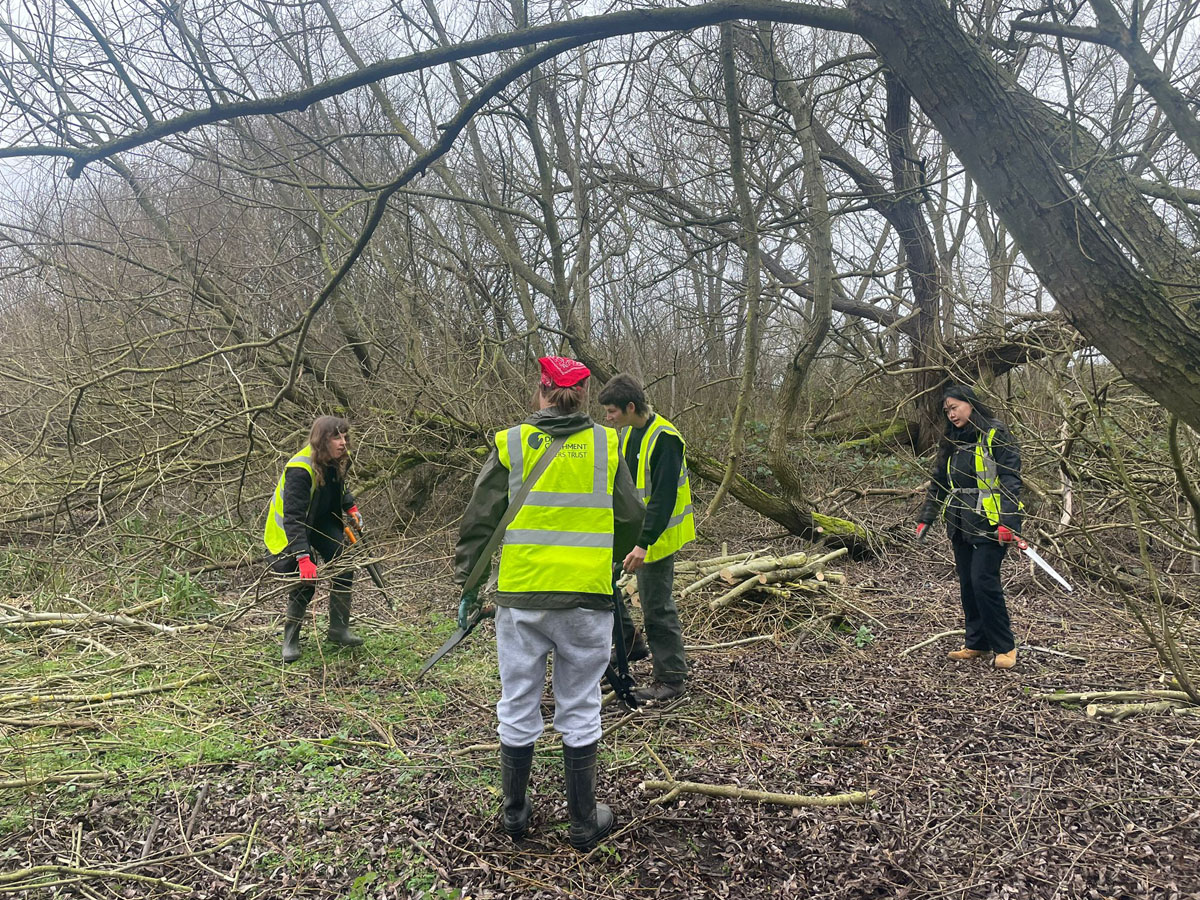
The in-channel habitat improvements that the Don Catchment Rivers Trust will make at Salmon Pastures will include the introduction and installation of natural woody material (essentially coppiced bankside trees) which provide cover for juvenile fish from predators, giving them a chance to hide and survive until adulthood and therefore improving fish stocks. They also provide a multitude of other river ecosystem benefits*2.
Structures such as this are missing from rivers, as they are often removed during river management. Although this is an important aspect of managing flood risk, this practise has become so thorough that only limited amounts of woody debris of a small size that poses no threat to flooding enter the river channel. Therefore, many reaches of river do not have adequate habitat to allow fish and other river species to flourish.
It is hoped that this project will be replicated in other parts of the catchment, helping our precious, bourgeoning population of juvenile salmon as well as many other fish species living in our waters.
This project is funded by the Environment Agency’s (EA) Fishery Improvement Programme (FIP) raised by the rod licence fee which fund projects that improve angling facilities and fishery stocks. Since FIP was established in 2015, over 1000 projects have been successfully completed, with a total of nearly £7 million reinvested from fishing licence sales alone. This is one of several projects that has been delivered through FIP in 2023.
Matt Duffy (Fishery Habitat Officer at DCRT) said “it’s extremely exciting to be able to deliver this project aimed at bringing important habitat improvements to this special part of the river Don, celebrating the return of the iconic Atlantic salmon.”
Katie Burnham (Fisheries Technical Specialist at the EA) said “We are happy to support our partners with habitat improvement works, especially on our heavily modified water courses where natural habitat can be lacking. This woody debris will provide both direct and indirect benefits for local and migratory fish populations as well as benefiting the wider ecology.”