After years in the planning, the DCRT team have recently submitted an application to the National Lottery Heritage Fund for a new proposed project All Hands on the Don: Transforming our rivers together. The project is large and follows the same model as the Trust’s previous lottery projects in that it has a capital works element and a three-year volunteering and community engagement programme. This time we are focussing on river heritage and riverside communities in the vicinity of Doncaster, from Mexborough to Thorne.
One aspect of this project is to extend the Don Valley Way from Doncaster city centre downstream to Thorne. Alex our Project Development Assistant for All Hands on the Don tried out part of the proposed route in January. Here’s what he found.
The 6th of January was a clear but slightly chilly day, following some rain earlier in the week. I walked the route upstream from Thorne to Doncaster, initially following the Stainforth and Keadby Canal and then linking up with the River Don from Stainforth onwards. A map of the route is shown below.
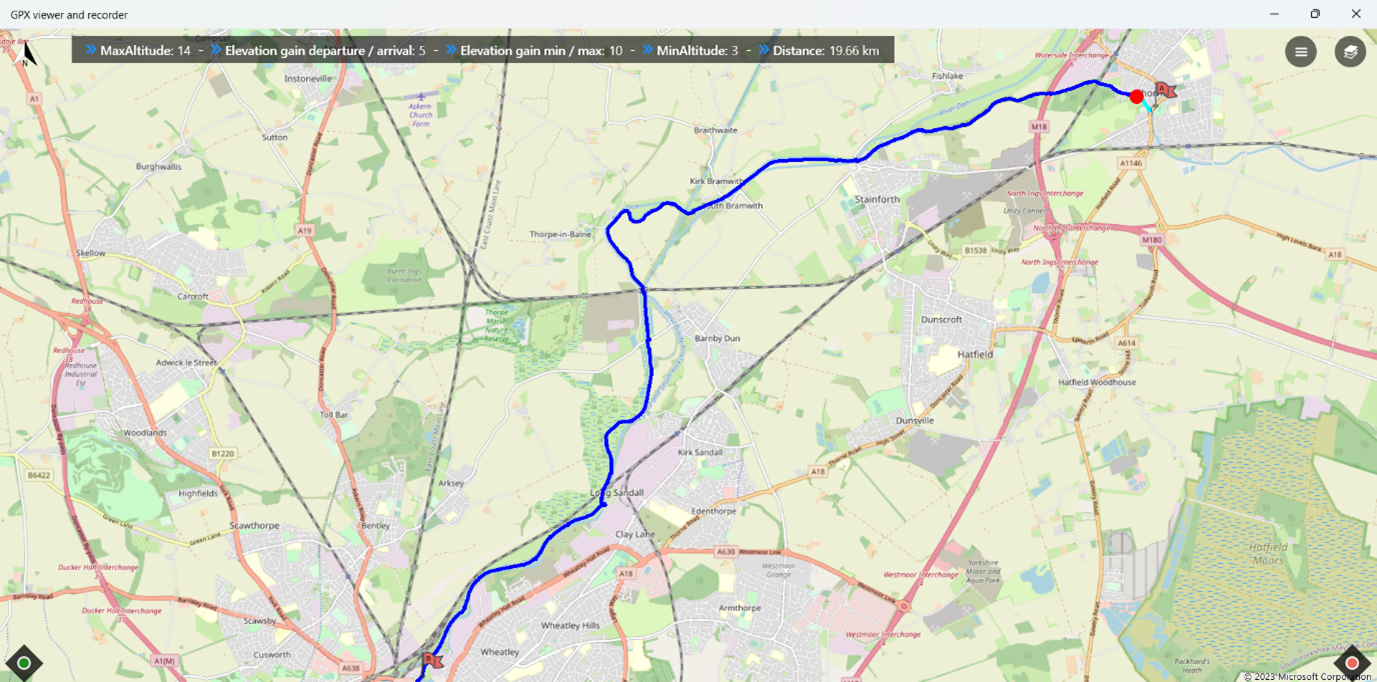
Hopping off South Parade in Thorne and passing the Canal Tavern, an interesting canal lock with a footbridge lead me to the start of the walk and the canal towpath. Within minutes, I was admiring the canal-side houses, Thorne Community Woodland and the interesting flotilla of craft at Staniland Marina.
Walking past Local Wildlife Site Thorne Ashfields, I began to increasingly notice birdlife. Long-Tailed-Tits, Jays and Goldfinches were all noisily making their way through the tree canopy and a trio of Goosanders diligently retained a 200m distance in the canal.
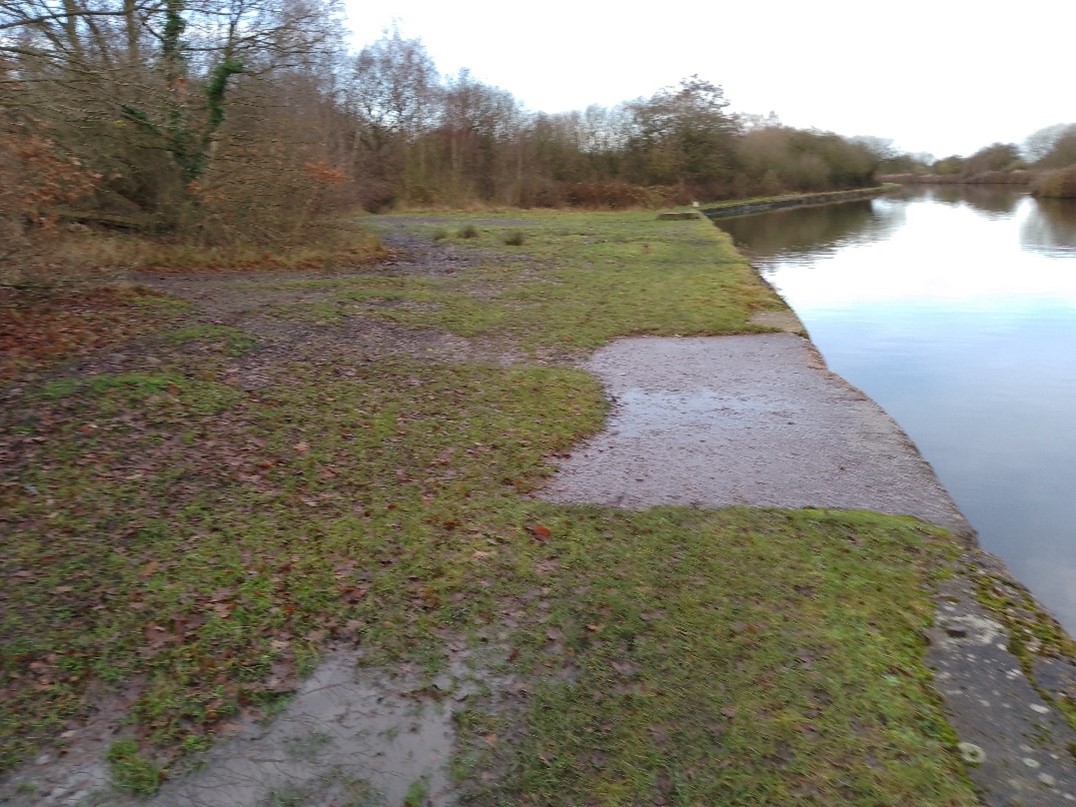
This area felt like a tree-lined aquatic avenue, sheltered from the wider world with only hints of its industrial past apparent. One slightly more obvious hint was where the canal widened, an area which allowed the loading of coal from Hatfield Main Colliery to barges, whilst still allowing other craft to pass and presumably for the barge equivalent of a three-point turn to take place. A railway, which has now been dismantled, connected the site to the mine.
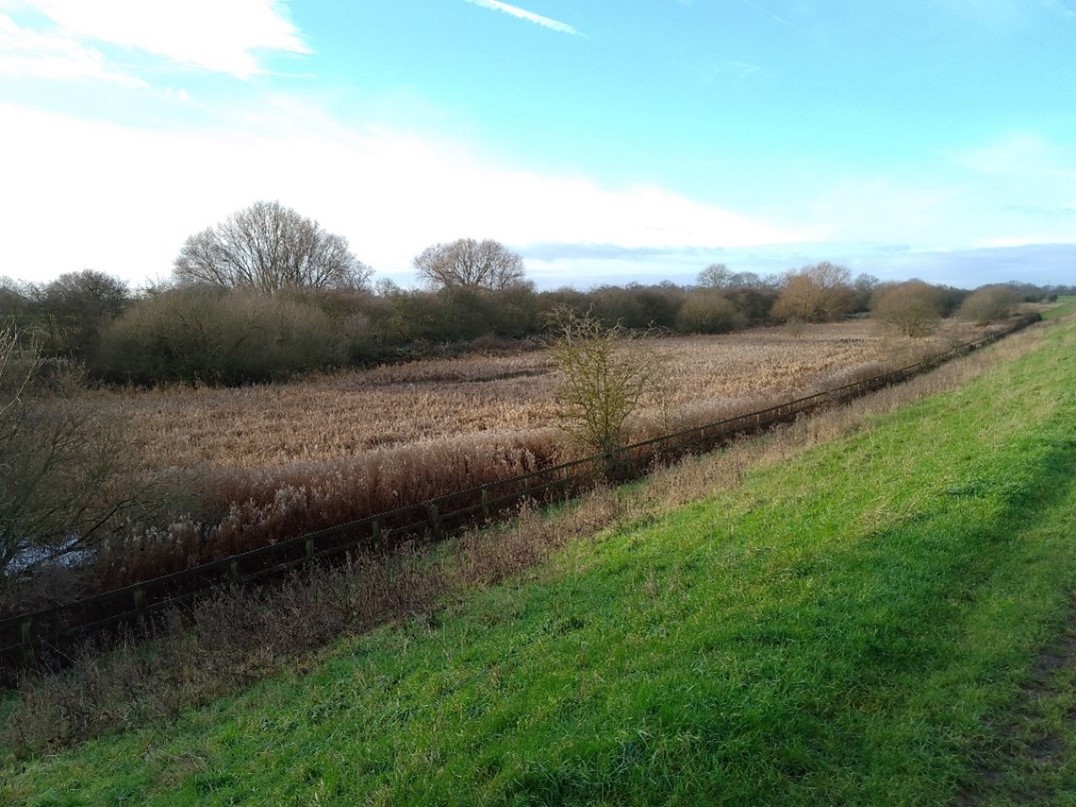
The path remained pleasant and passing the New Inn abutting the canal, you reach the town of Stainforth, another place steeped in history. Here I moved to the land between the canal and the River Don getting my first glimpse of the fast-flowing river. Walking past charming properties and a few goats, I began walking the embankment admiring the elevated views of reedbeds and ponds.
Passing Low Lane Bridge, I left the canal (which is renamed the River Dun Navigation after Stainforth) and followed the river to its meeting with the New Junction Canal at the mightily impressive Don Aqueduct.
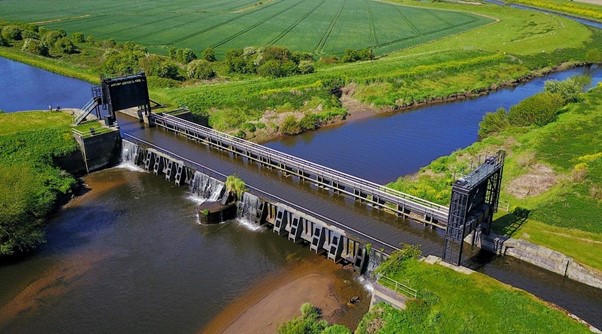
C: @Canal & Rivers Trust
This piece of engineering really showed how important canals once were and how interconnected our waterways now are. Having pondered this, I continued along the flood bank, passing Broad Ings another Local Wildlife Site. Flooded on the day of my visit (as it is designed to), it was awash with geese, swans and other waterfowl.
Putting my binoculars down, I followed the river south to where land opens up and clearly shows a former meander of the River Don and the now straightened channel.
The next section of the walk truly took me by surprise as I came upon a large area of reedbed and mixed habitat between Kirk Sandall and Long Sandall, a Local Wildlife Site known as Long Sandall Ings. A site I will certainly return to.
Passing Long Sandall Lock (where you can return to the opposite side of the canal if wished) I continued to observe the interesting mix of industrial buildings and infrastructure, as well as areas for wildlife.
As I neared the city centre, I had walked over 19km and explored a space which had been on my doorstep for years but was completely unknown to me. I felt a closer connection to the river having watched it flow past me for hours and seen the benefit it had brought to wetlands and the communities it had shaped.
I will certainly walk this route again and enjoy the benefit of spending time in nature, just maybe on a slightly warmer day!