
Wetlands are one of the most endangered habitats in the world. To help protect wetland flora and fauna from extinction we need to work to restore and improve all our wetland habitats. They are also incredible carbon store, retaining more carbon per square meter than a woodland.
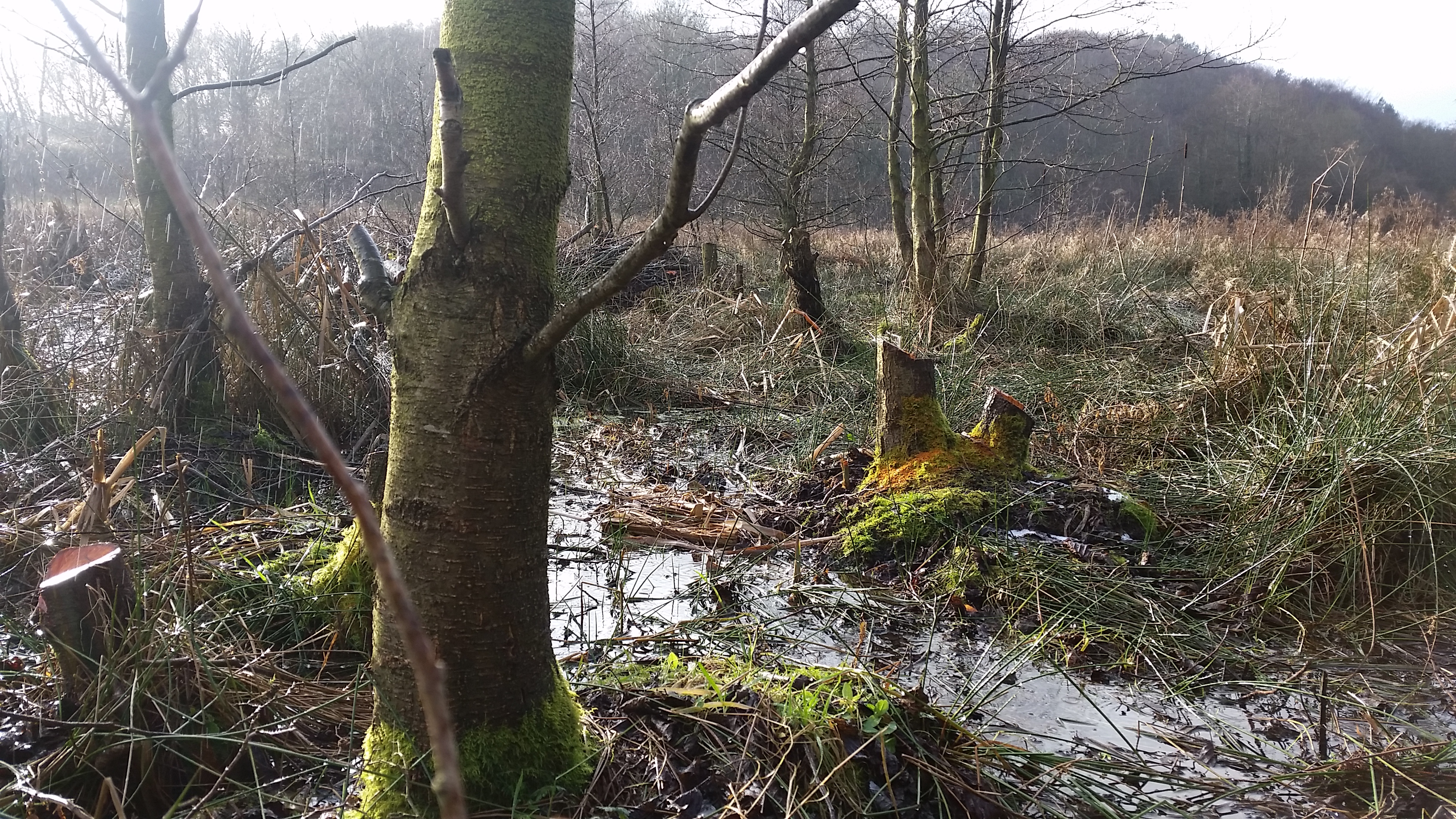
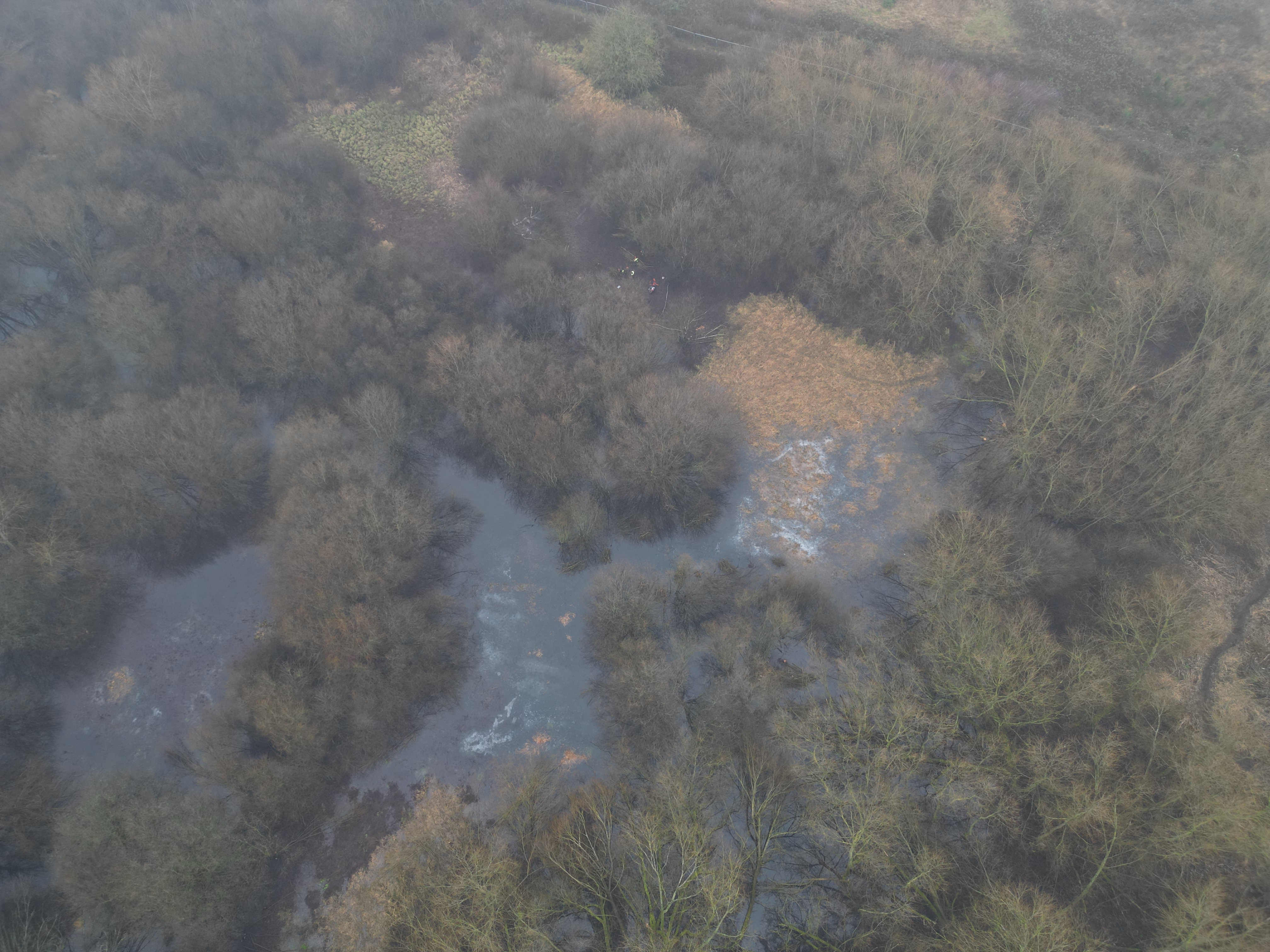
In October we started work to protect a wetland in Doncaster. Hexthorpe Ings is a wetland in Hexthorpe just downstream of Hexthorpe Park on the Don. It is a historically significant site as it is located next to the famous Doncaster Works site known for the construction of several famous steam trains including the Mallard and the Flying Scotsman. There are footpaths on the Hexthorpe Ings which were used by workers in the factory to commute to work. Over time these paths have become overgrown and inaccessible so that is where we began our work on the site.
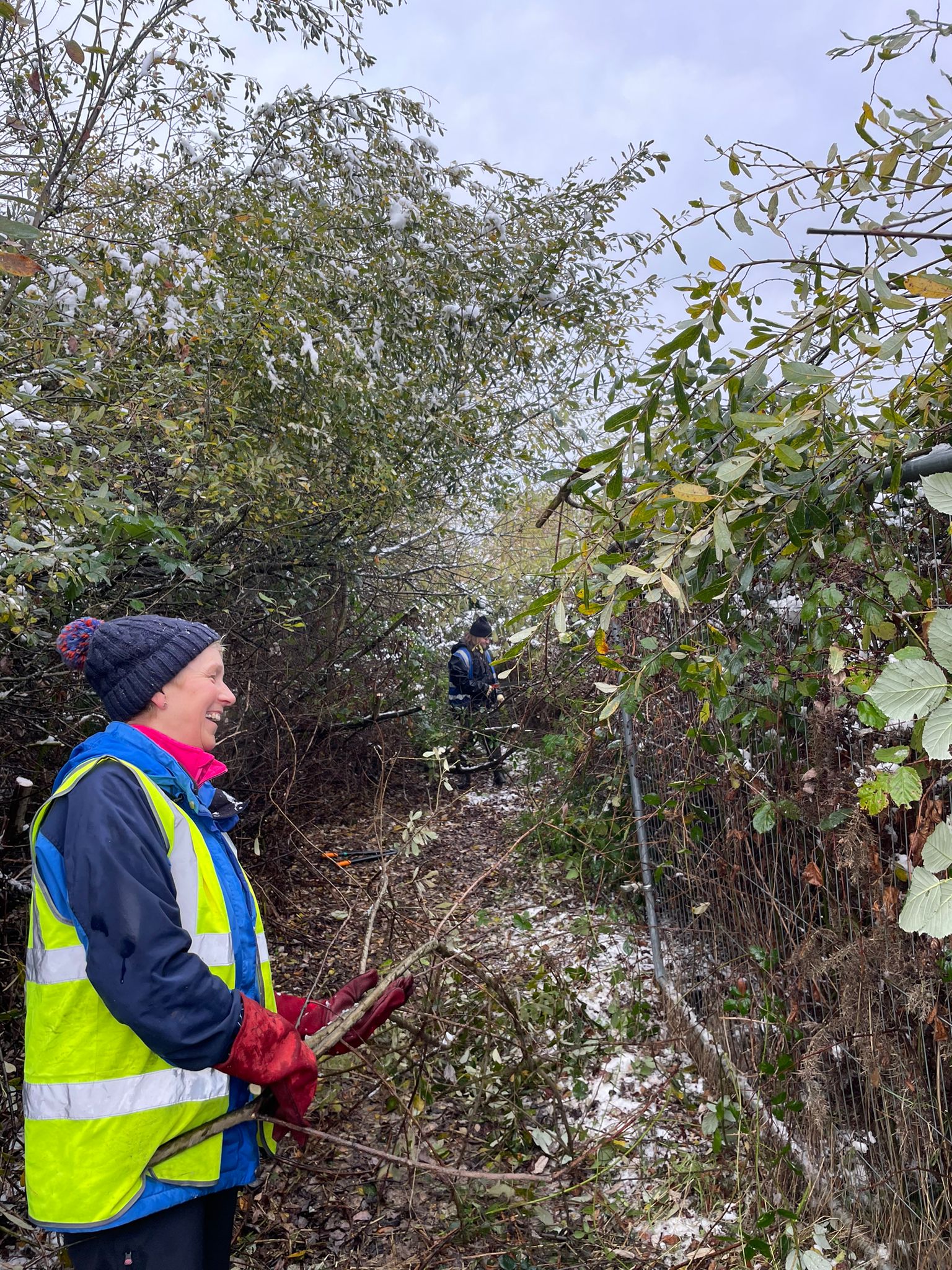
Our first days in Hexthorpe focused mainly on restoring the circular path around the site. To do this we cut through the brambles and other vegetation to reinstate the path. We mainly used the brush cutter to cut through the brambles with our volunteers raking the cut brambles off the path and neatening up the edges with loppers and shears. After a few weeks we had reconnected the footpath and now the whole site can be circumnavigated.
Once we had finished with the footpath we moved into the wetland to check its condition before we started work. To my surprise the site was completely dry which I did not expect in the middle of winter. I believed at the time the water on the site must be running off somewhere however to this day I have not been able to find a runoff point so instead we decided to focus on reducing the vegetation on the site.
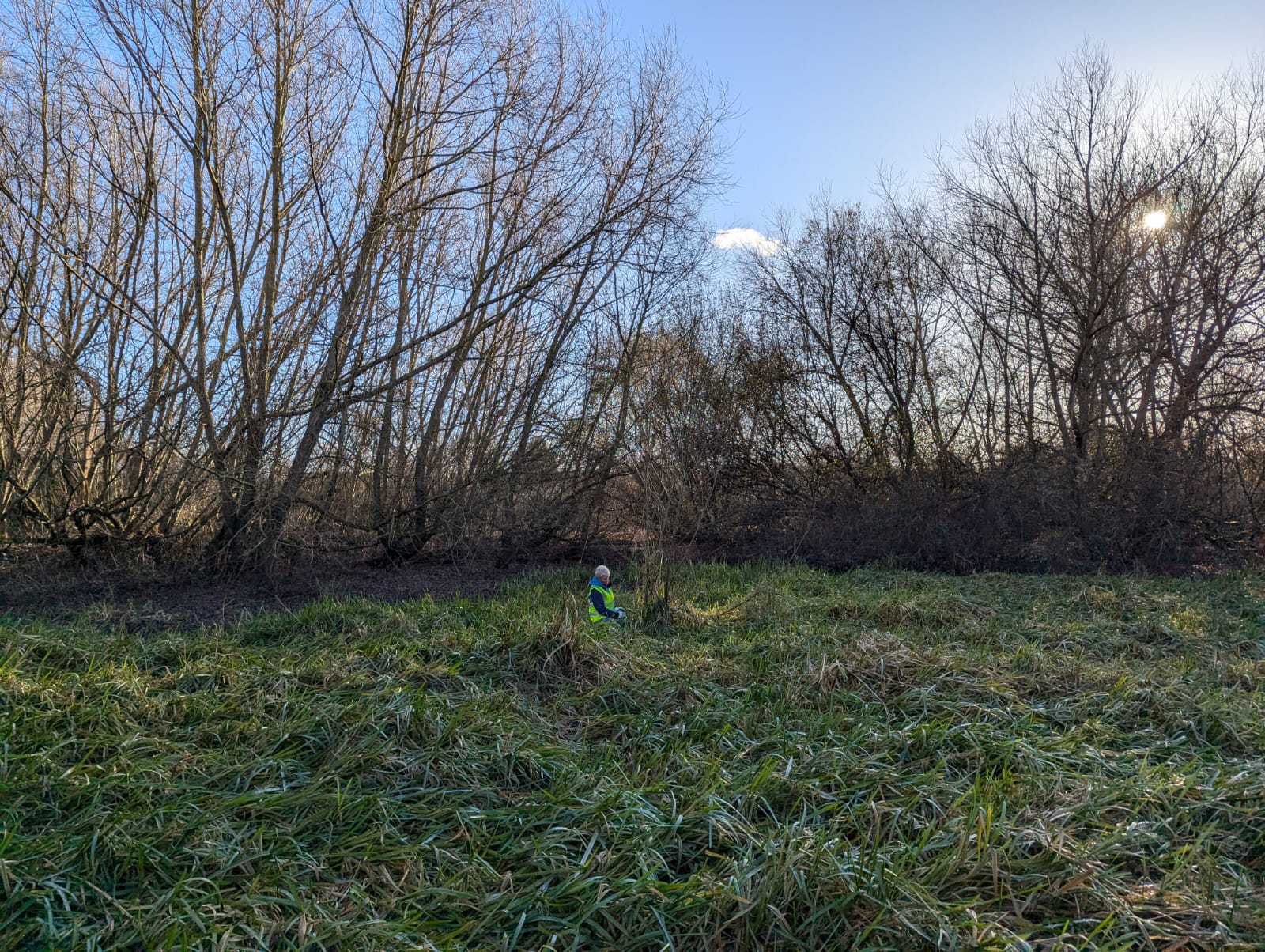
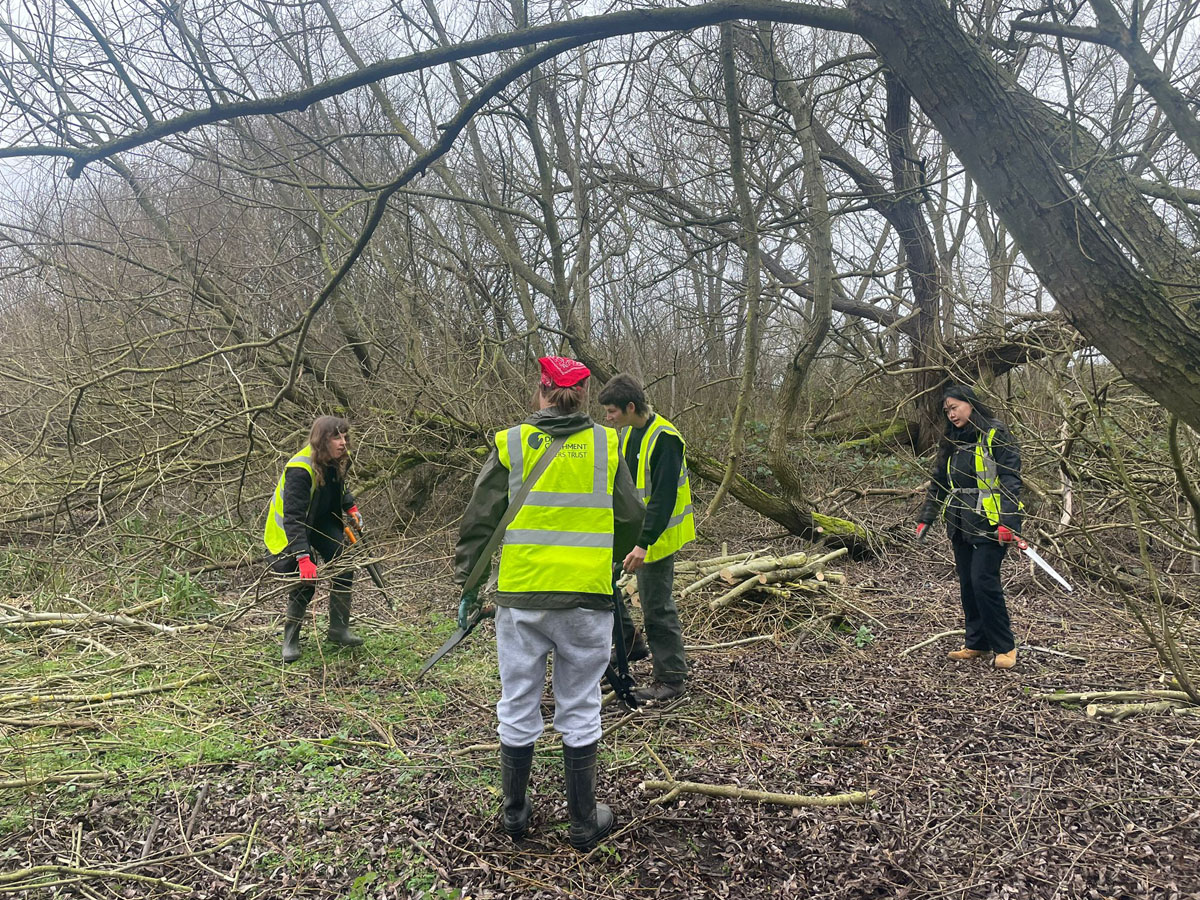
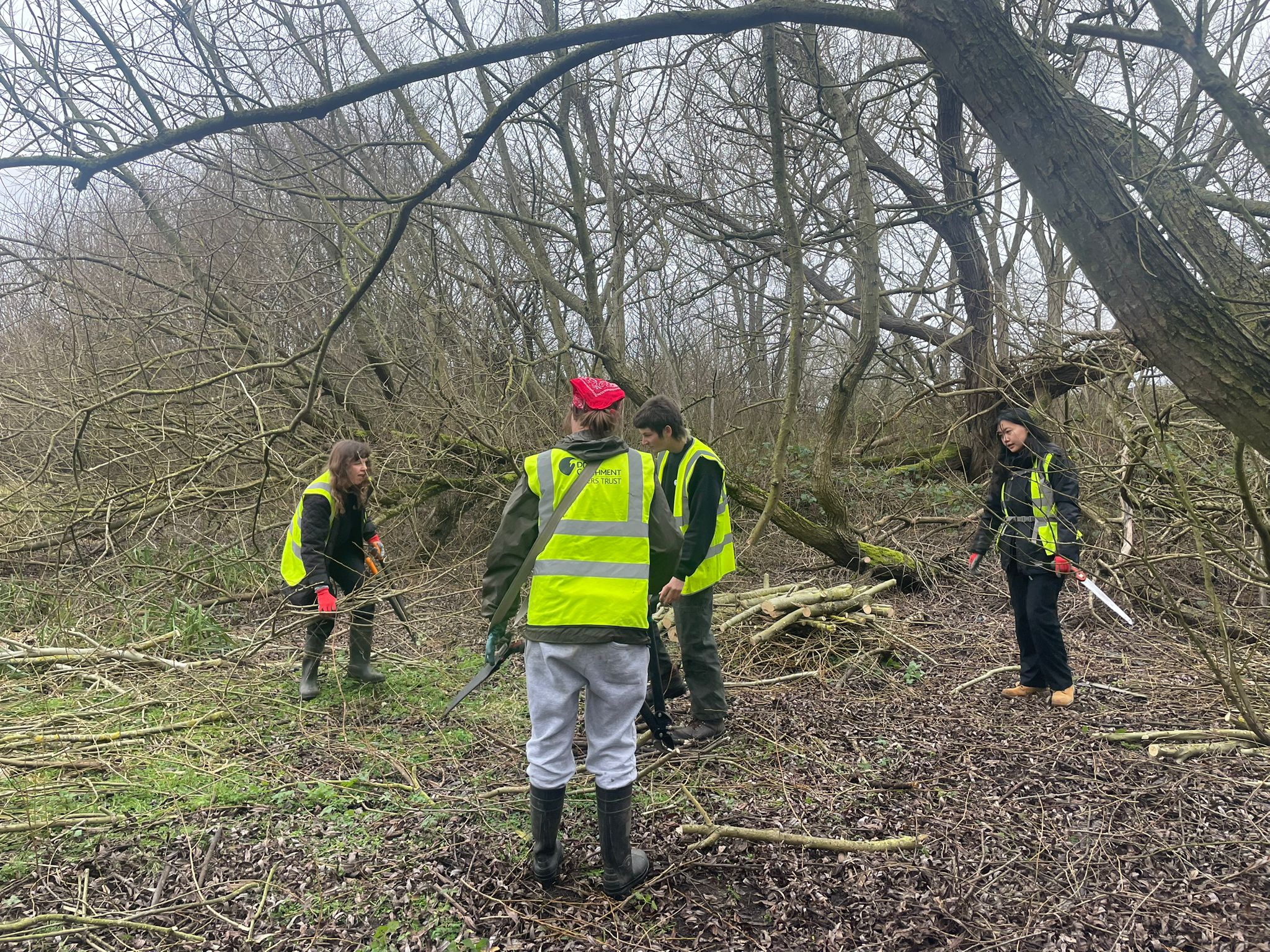
The main tree species on the site is willow with the majority of those willows being crack willow. A mature willow tree can absorb between 100 and 150 gallons of water a day. As you can imagine this would have a significant effect on the water retention of the site. Therefore, we proceeded to start felling the trees to prevent them from absorbing water. Originally I had planned to just leave the trees down as deadwood however we soon discovered that due to the significant amount of felling that had to take place we would have to process these trees into habitat piles.
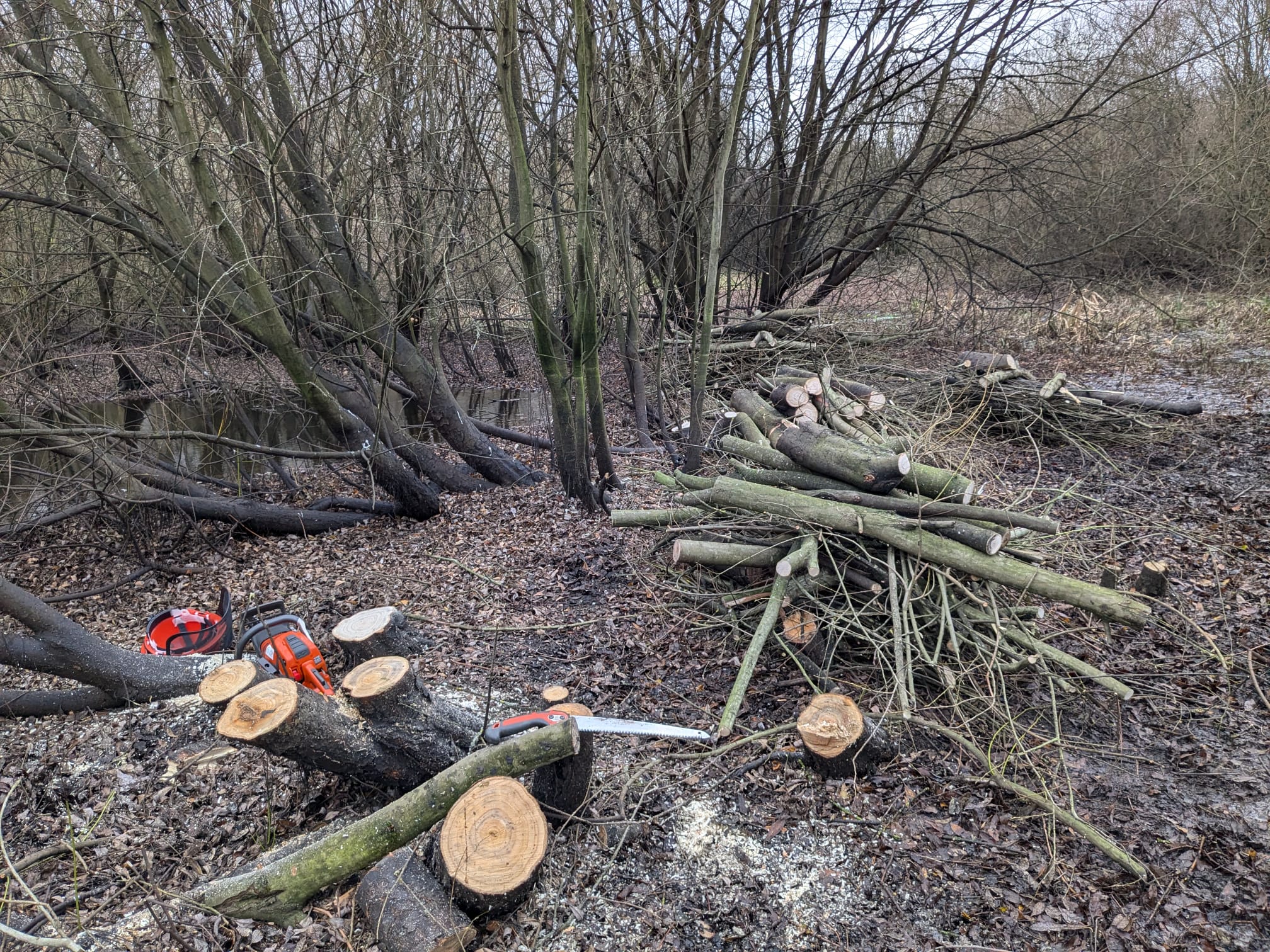
Habitat piles are wood that is stacked to provide habitat for mammals, invertebrates and birds. The idea is that the wood will rot down to provide food for invertebrates who in turn become food for small mammals who become food for larger mammals and predatory birds. They are also useful as shelter for lots of creatures. A habitat pile is created by cutting a tree into lengths of around 1 meter and placing the thinner brashier lengths at the bottom and the thicker branches on the top. This weighs down the pile and can create a complexed micro habitat for smaller species.
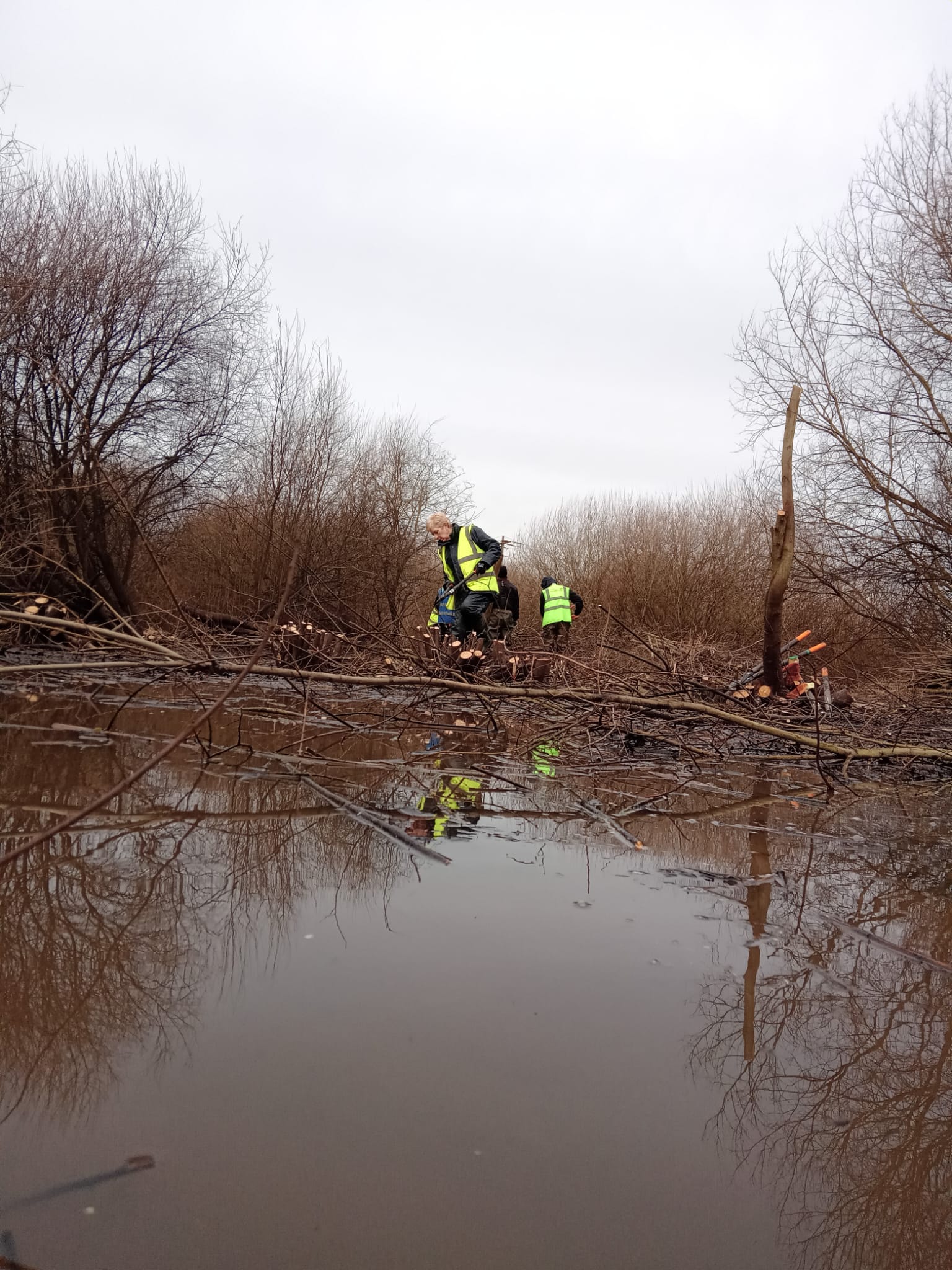
We also decided to try and leave some standing deadwood on the site. Deadwood is an excellent invertebrate habitat, so they live inside the rotting wood creating away at it and encouraging it decompose. It also creates nesting habitat for bird species such as willow tits who like to nest in deadwood.
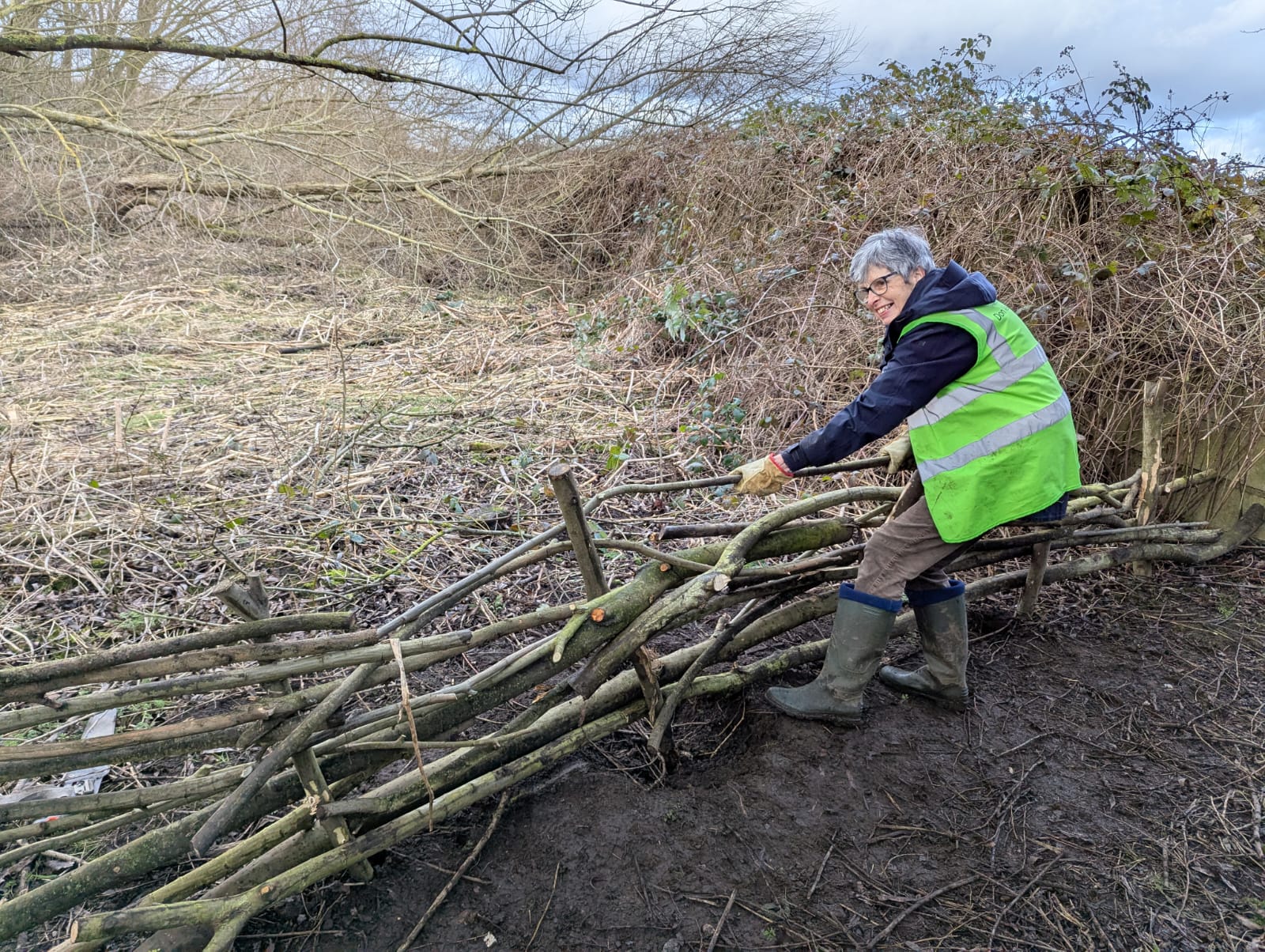
Towards the end of our time on the site we discovered that we had accidentally created a track into the wetland by mistake where we had accessed the site. To try and reduce access for the public we decided to create a willow spial fence along the side of the footpath at the point we had accessed the site. This in theory would cover the track we had formed and create a barrier to discourage people from walking that way. It also had the added bonus of using up some of the trees we had felled rather than putting them in habitat piles which by this point were many.
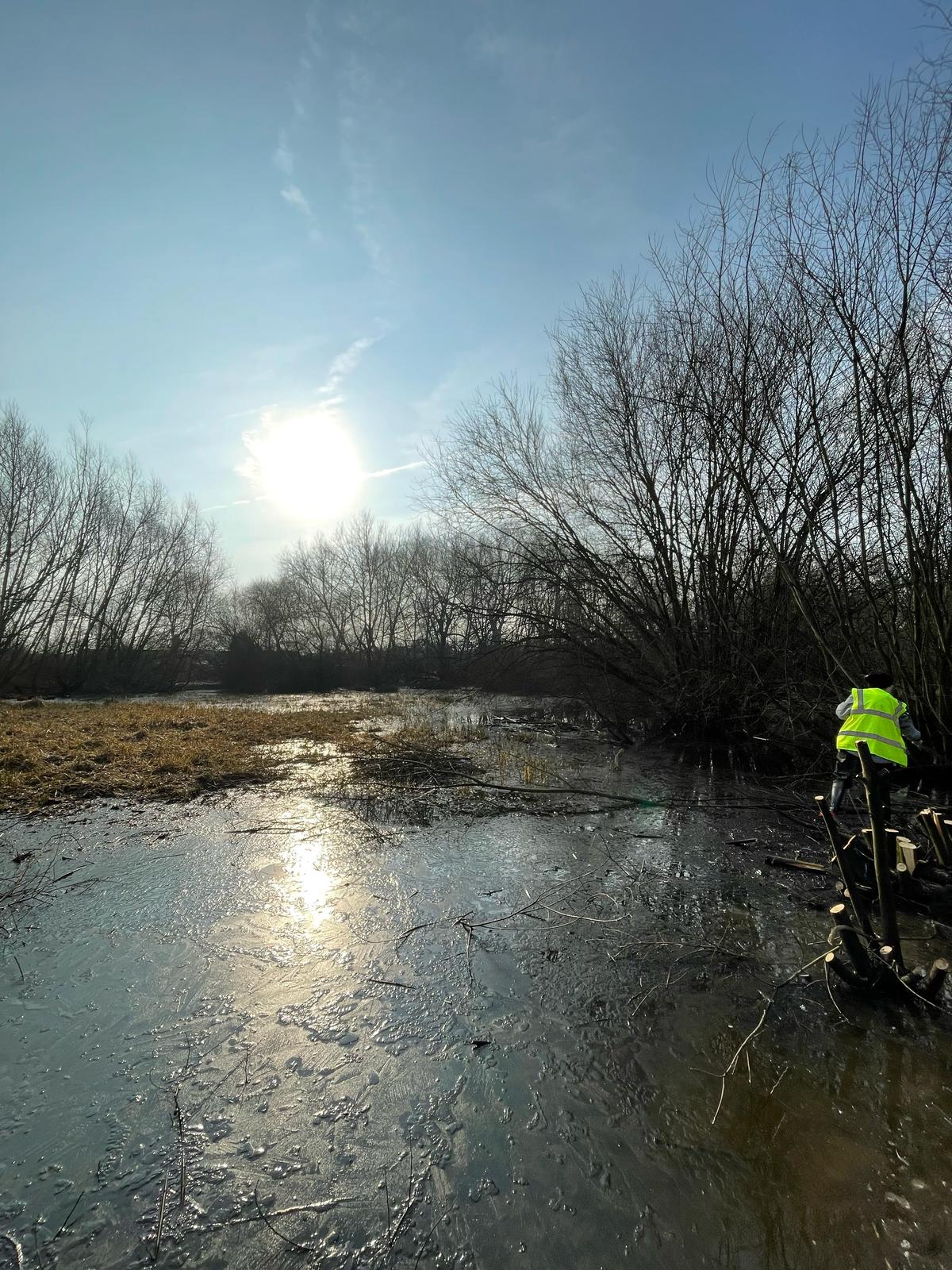
To create the fence, we first had to make some stakes from the trees we had felled. We used billhooks and axes to make some straight branches into pointy stakes and then proceeded to drive them into the ground with a post basher. Then we felled and selected other straight branches we could weave into the fence.
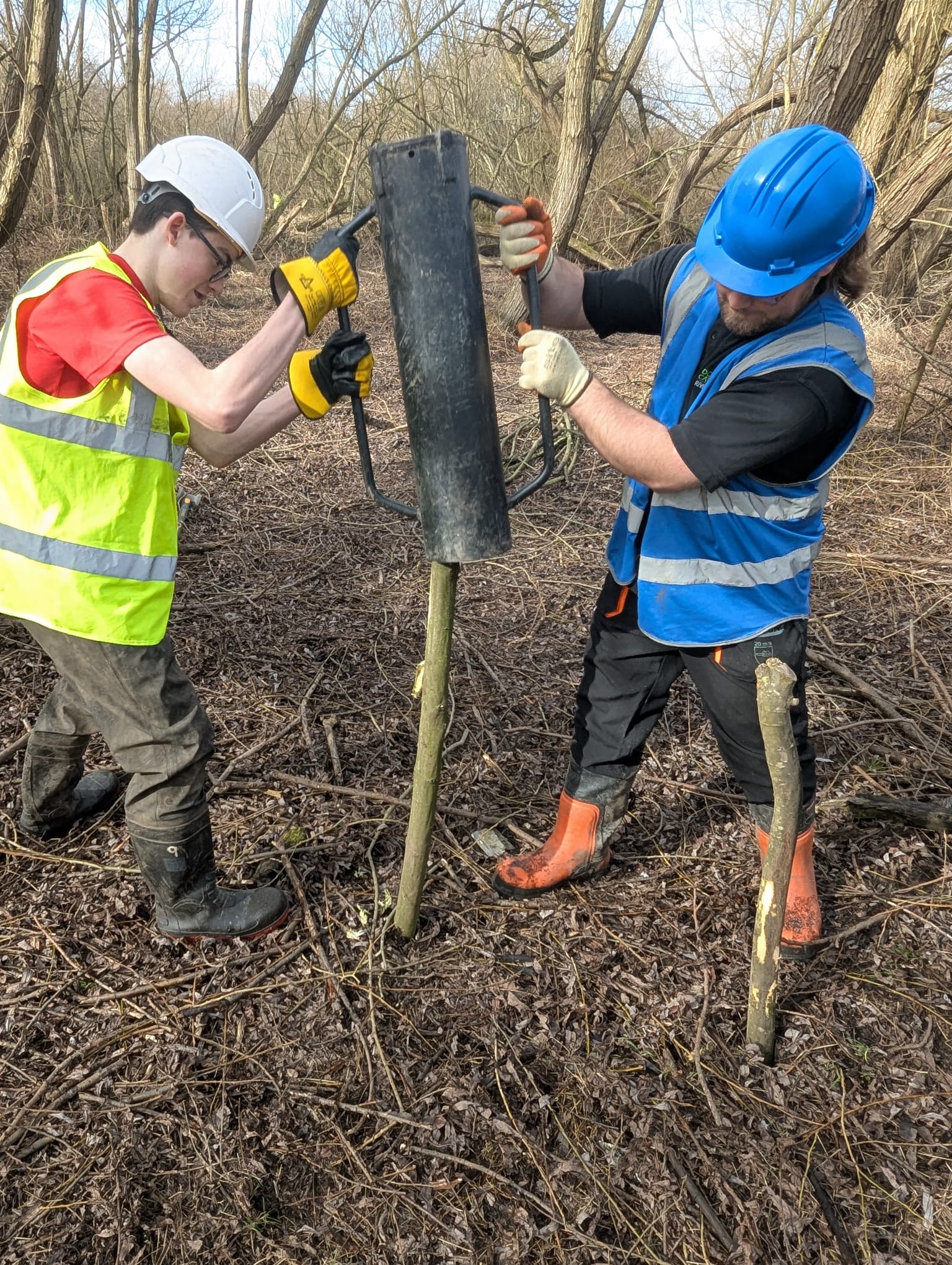
But why not just build a regular fence? Well, there are several ecological benefits to the spial fence. The willow in the ground will re root and continue to crow meaning that this is not just a fence but a living thing! There are also some financial benefits for the trust. If we were to build a regular fence we would have to pay for the wood, wire and screws whereas if we build a spial fence we can use the natural materials we have harvested from the site it costs us nothing allowing us to have more money we can invest into other projects in the future.
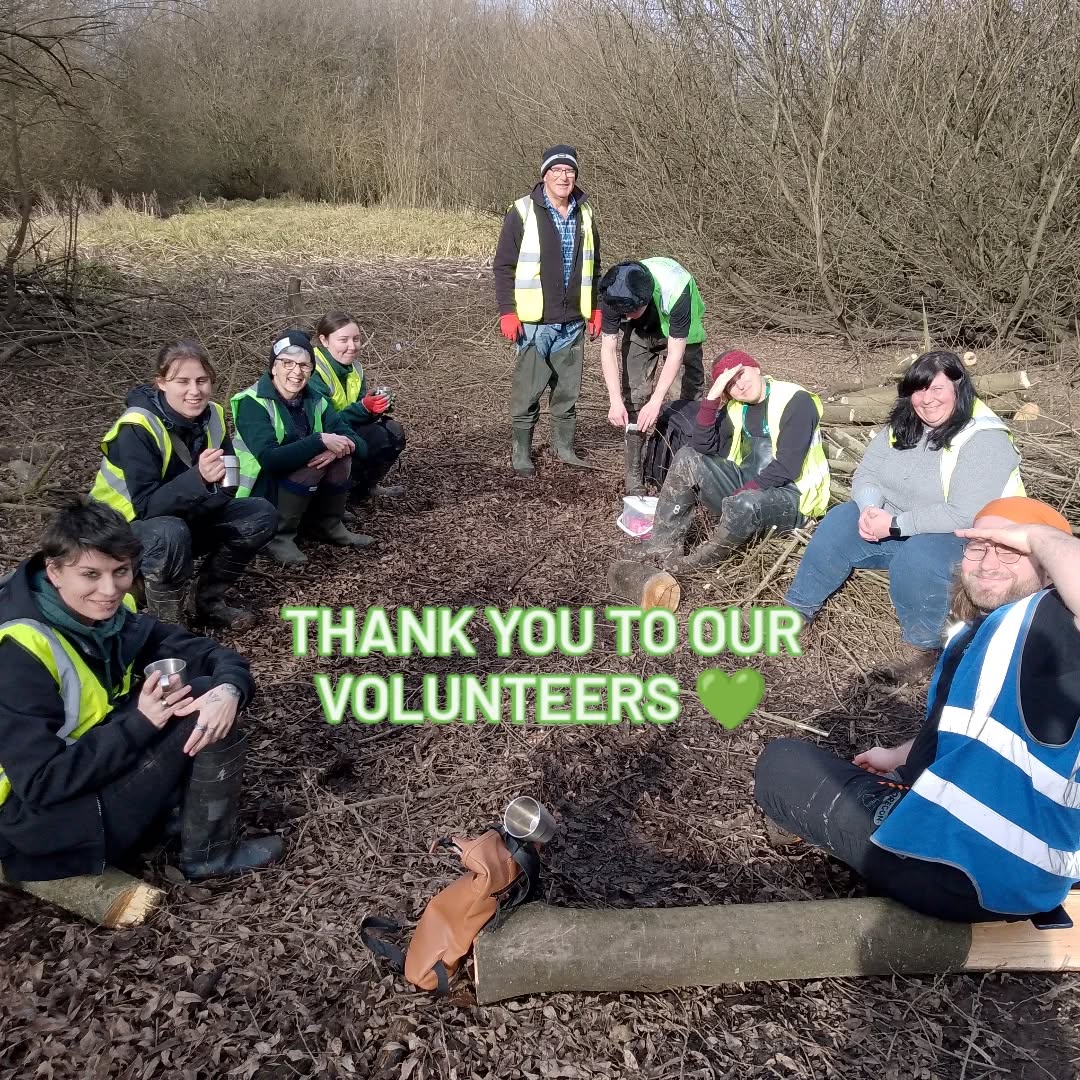
All the work on the Hexthorpe Ings site would not have been possible without the help of our dedicated volunteer team! Thank you so much to all the people who give up their time to help us deliver our work we are very grateful for your dedication and commitment. If you would like to get involved in future volunteering please click here to learn more!
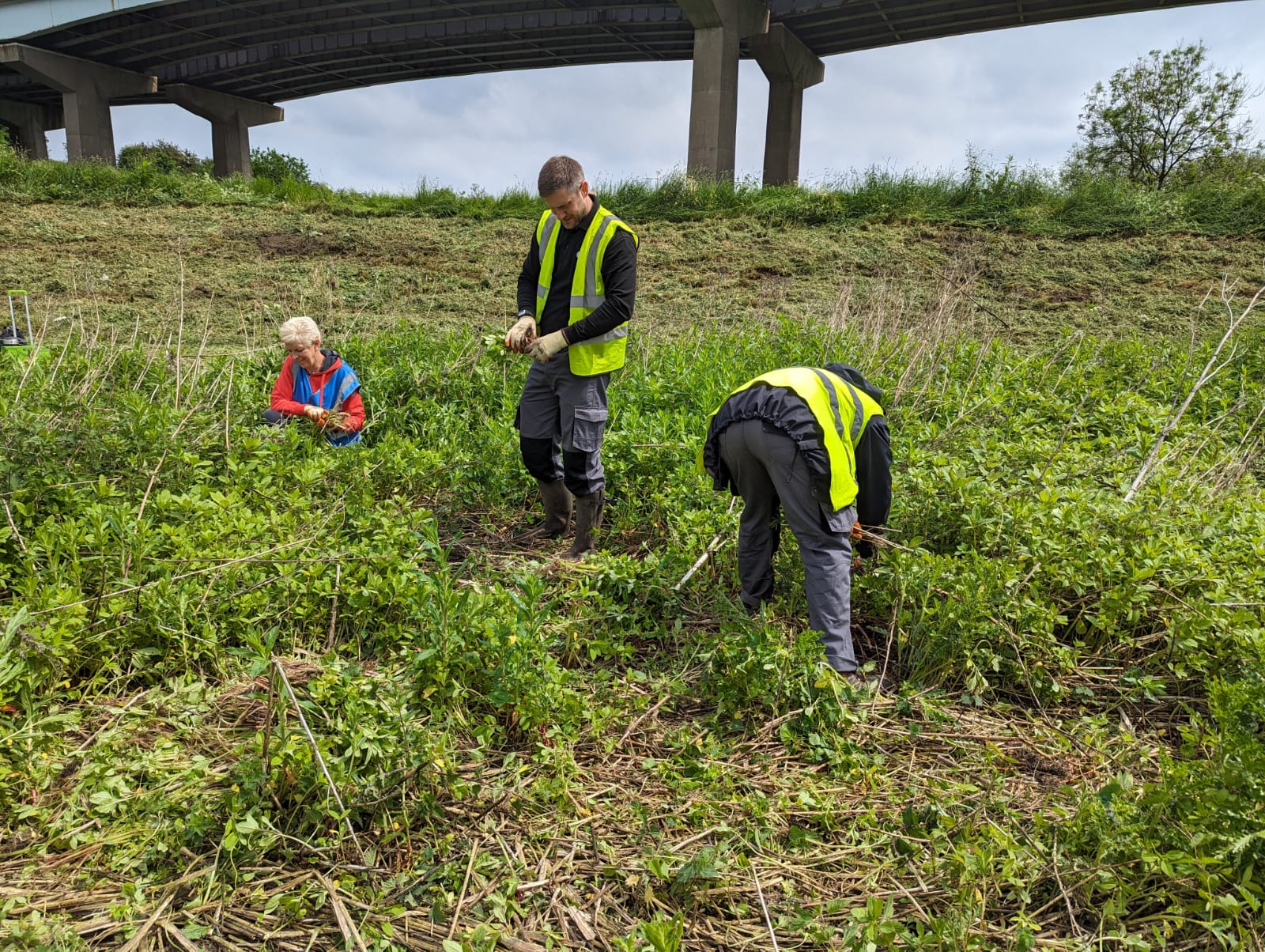
This leads us to the present day. March is the start of the bird nesting season which prevents us from continuing with vegetation work to avoid damaging bird nests. In the summer months we will return to the site however as there is a large amount of Himalayan Balsam on the site. Himalayan Balsam is an invasive plant species which outcompetes our native wildflowers and grasses it is also an annual plant so dies off in the winter leaving bare earth which can be more easily eroded in times of high water and flooding. Luckily Himalayan Balsam can be easily pulled up by hand as it has shallow roots. Therefore, we will undertake Balsam Bashing on the site in the summer months so please keep an eye out if you would like to be involved!
With the wetland restoration work we have been working really hard but have barely scratched the surface therefore next winter we will continue our work to improve the wetland. Please keep an eye out in September for upcoming days in our events calendar on the site and get involved with improving the wetland for the future!
Written by Volunteering Officer Anthony Cox