In this blog post, we hear from guest writer Rosie Buckley about some of the threats to our river systems as well as a few of the potential solutions.
As our planet faces the challenges of climate change and environmental degradation, protecting our rivers is one of the most important steps we can take to preserve a healthy and thriving ecosystem. Our streams are more than just sources of drinking water or recreational sites – they act as an intricate network that supports life in many ways, carrying vital energy, nutrients, and wildlife habitats. Despite their importance, most river systems across the world are at risk due to human-made threats like pollution, sedimentation, and deforestation.
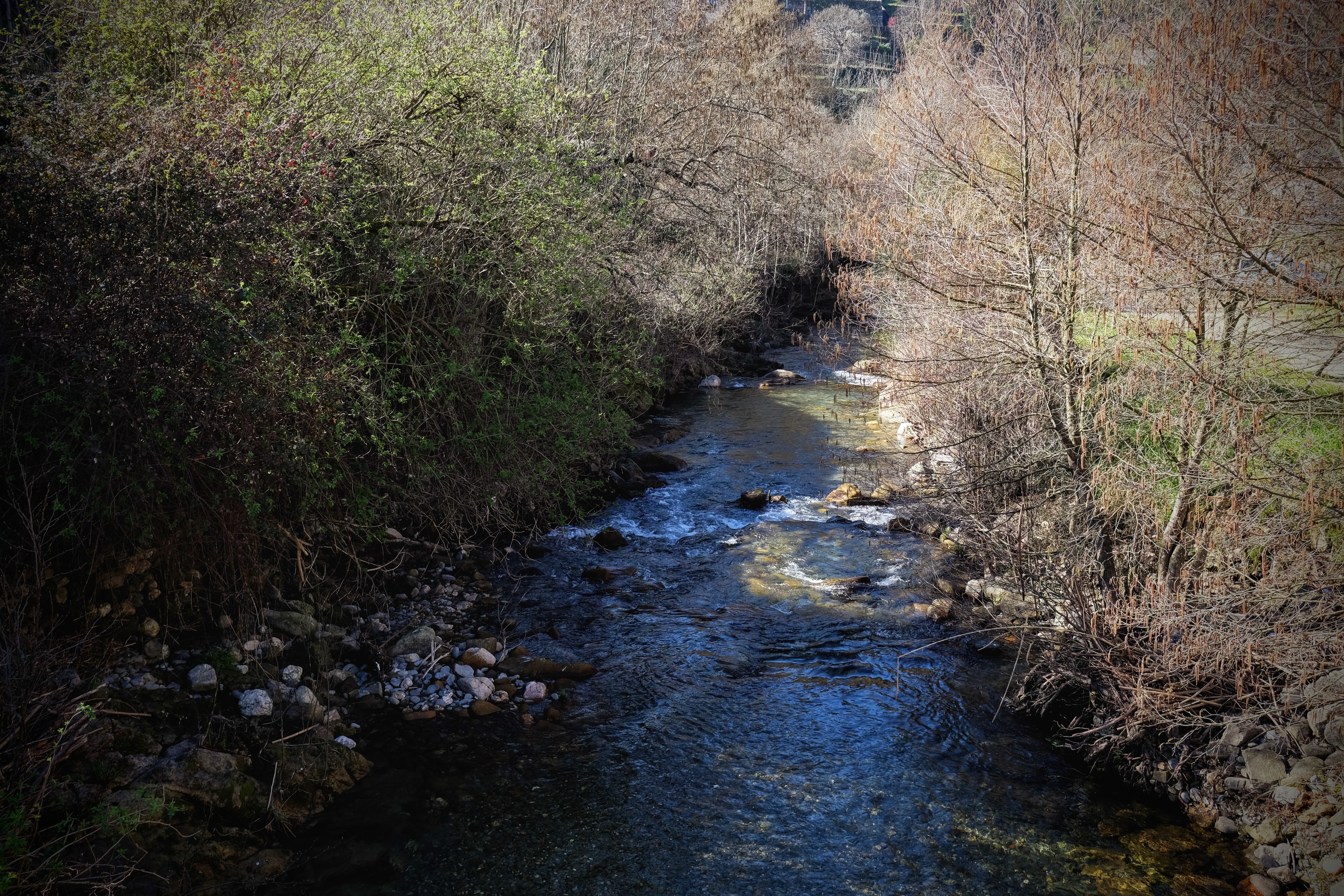
One solution for preserving these bodies of water is water harvesting – process by which wasted rainwater is collected and diverted into rivers and streams. Rainwater from runoff areas, such as roofs or pavements can be collected before being contaminated with pollutants. It can also improve the quality of the water, as well as decrease flash flooding and drought cycles.
This article will discuss the process of water harvesting in more detail, including its benefits for river restoration projects. We’ll also explore various techniques for doing so as well as potential challenges that may arise along the way. Finally, we’ll take a look at some inspiring examples of how this technology is being used around the world to sustain our streams and support a healthy ecosystem.
Understanding water harvesting:
Water harvesting is the process of collecting rainwater for use in the home, garden, or business. In the UK, this method has become an increasingly popular way to reduce costs and conserve resources. Water can be stored above ground in tanks, cisterns, or barrels, or below ground in aquifers. That which isn’t immediately used can also be reused by filtration and purification systems. Roof-top catchment systems, contour trenching, green roofs, and swales are methods are intended to capture and store rainwater.
– Roof-top catchment
Roof-top catchment systems involve the installation of gutters and pipes to divert rainwater from roofs into storage tanks. The captured water can then be used for a variety of purposes, such as watering gardens and flushing toilets. In addition, roof-top catchment systems are relatively low maintenance and cost effective compared to other methods of water harvesting.
– Green roofs
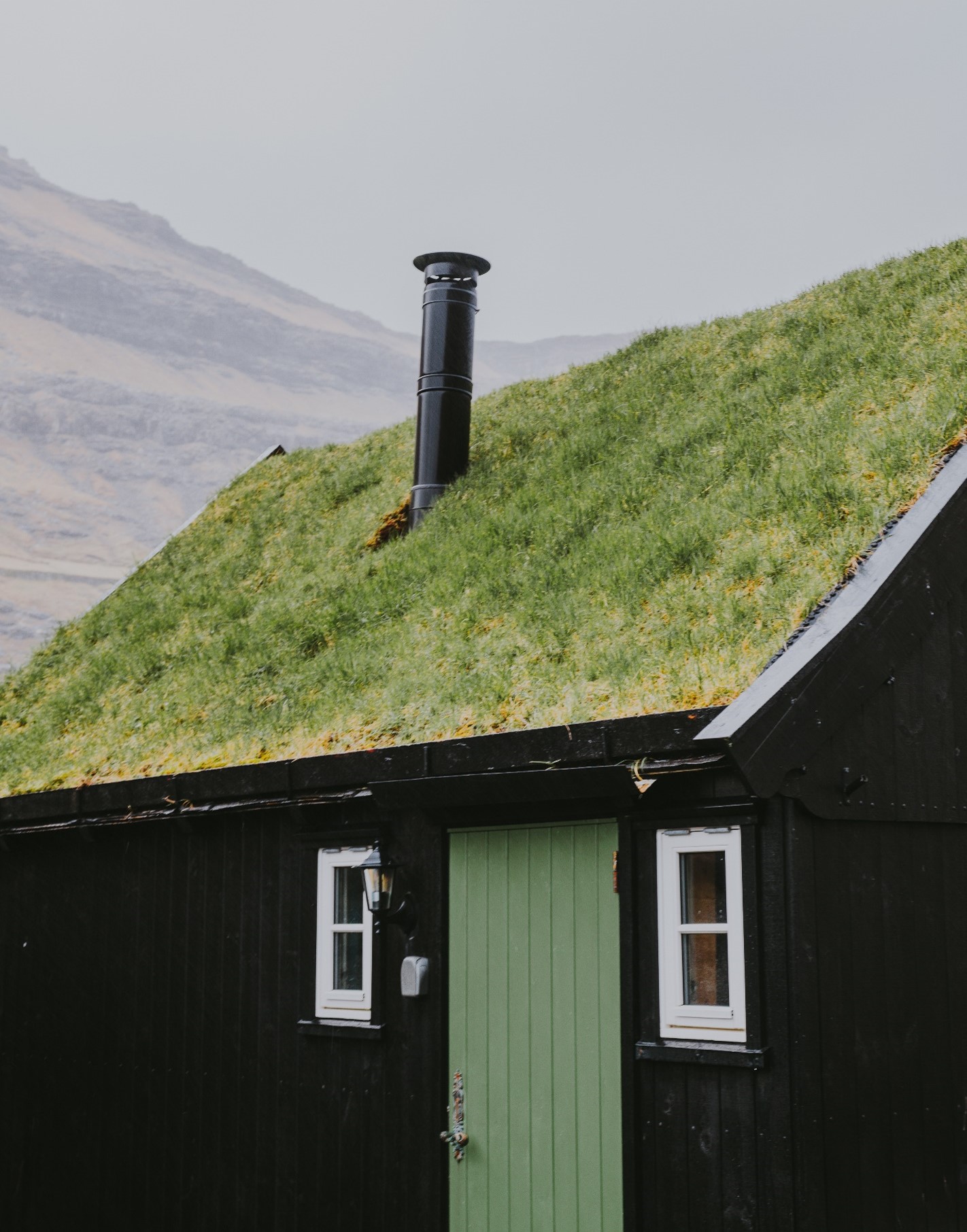
Green roofs are designed to capture and store rainwater in a living, natural environment. This type of roof is covered with a layer of soil and vegetation, which absorbs and stores rainfall. Green roofs also provide additional insulation for buildings, helping them to remain cooler in the summer months and warmer in the winter.
– swales
Swales are shallow channels containing soil that can be used to direct excess surface runoff away from buildings or other structures towards areas where it can be absorbed naturally or stored safely in tanks or cisterns. They’re most effective when combined with other methods of water harvesting, as it provides a way for excess rainwater to be managed and directed away from areas that may be prone to flooding or erosion.
As well as preventing damage from floods, swales can also help replenish groundwater supplies by allowing rainfall to seep through layers of soil into aquifers below the surface. This helps to maintain a healthy balance between surface water and groundwater reserves, reducing pressure on existing sources of potable water in times of drought or increasing demand.
– Contour trenching
Contour trenching is a technique used to channel water along the contours of hills or mountainsides, preventing it from running off and causing erosion. This method involves digging shallow trenches in the soil at regular intervals across a slope, allowing water to flow from one ditch to the next.
By controlling how much water flows down each slope and directing it towards an area where it can be collected and stored safely, contour trenching can help reduce flooding, decrease sediment deposition, and improve irrigation efficiency in areas with steep topography. Furthermore, it can help protect buildings located on slopes from landslides by reducing surface runoff.
River restoration:
River restoration is an important part of preserving and protecting natural ecosystems. Water harvesting can help to restore the natural hydrological regime of rivers by maintaining water levels and restoring groundwater resources. This helps to promote biodiversity, increase ecological services, reduce soil erosion, provide habitat for fish and wildlife, improve water quality, and reduce sedimentation. Water harvesting also offers added benefits, such as reducing demand on existing sources of freshwater supplies while providing additional sources for irrigation or industrial purposes.
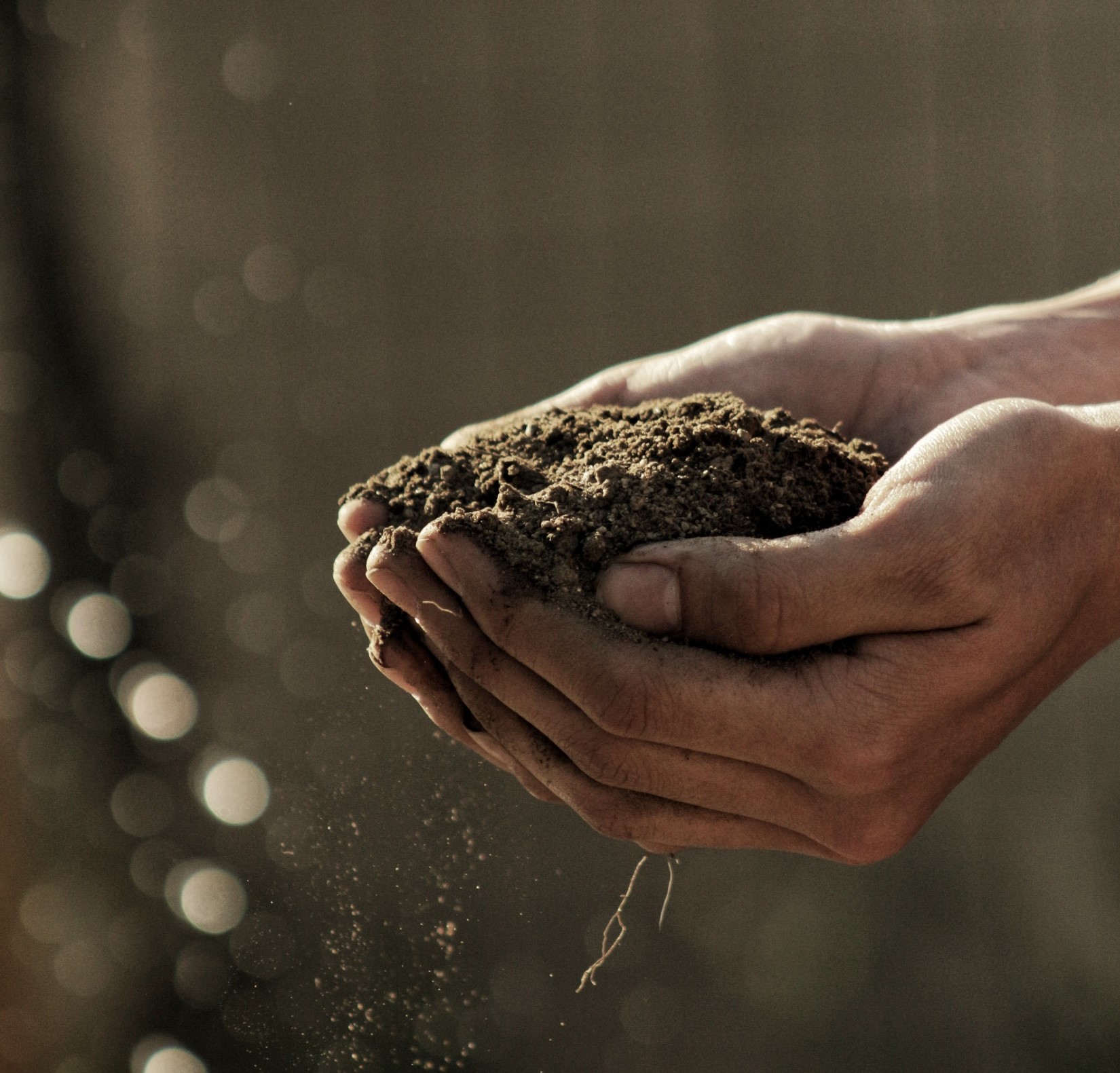
River restoration projects can be implemented in a variety of ways, with varying levels of complexity. The purpose of each project will depend on the local environment and natural resources available. Some strategies involve creating artificial wetlands where water can pool and be used for various purposes, such as supplying groundwater or providing habitat to support species. Other strategies focus on restoring existing rivers by removing obstacles that impede the flow of water or allowing vegetation to return naturally.
However, the success of any river restoration project depends heavily upon careful planning and execution.
Natural flood management:
Natural flood management (NFM) is an evidence-based approach to reducing the risk of flooding from extreme weather events. It works by using natural features such as vegetation, wetlands, and rivers to slow the speed of water flow and store excess runoff. By doing so, NFM can reduce downstream flooding and improve river habitat quality. This in turn helps restore rivers back to their natural state, allowing them to better absorb intense rainfalls and provide more effective water harvesting during times of drought. Furthermore, implementing NFM can increase biodiversity as well as recreational opportunities along the riverbanks. As a result, it has become increasingly recognised as an important tool for mitigating risks associated with the impact of climate change on our water resources.
Sustainable water management:
Sustainable water management is essential for long-term security of water supplies and the protection of natural habitats. It requires the implementation of strategies that minimise freshwater use, reduce pollution, and increase efficiency in the use of existing resources. Water conservation measures such as rainwater harvesting and improved irrigation techniques can help to maximise returns from limited sources. When combined with appropriate technologies to improve efficiency, these strategies help ensure a reliable supply of clean water while reducing environmental impacts.