Hello, Matt here! Whilst we’re spending more time around our homes, I’ve come up with a few ways you can make your house that bit more river-friendly. Even if your house is not near a watercourse, you might be more connected than you think…
If you haven’t read our blog on 7 ways to a river friendly bathroom click here.
Check your water connections
If you’re going to do anything, do this one first!
If your house was built after the 1920s or if you’ve had a bathroom or kitchen extension the plumbing could be installed incorrectly and your waste water or ‘grey water’ could be going directly into a local watercourse instead of the treatment works.
Here’s a really useful guide to checking this – connectright.org.uk/misconnections
I actually spotted some of this on a walk along the Meersbrook in Sheffield last week which I reported to the Environment Agency. Can you see how the water is a milky, grey-blue colour? This is most likely coming from household waste water.
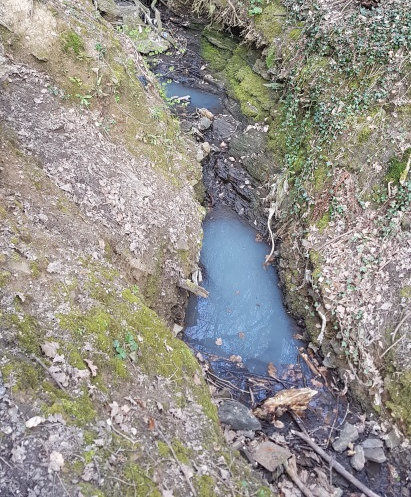
Showing grey-water in the the Meersbrook, Sheffield
If you see any pollution incidents it’s important to report them. I wrote a blog about this a little while back – doncatchment.wordpress.com/2018/03/14/what-to-do-if-you-see-an-environmental-incident-along-a-waterway/
Be responsible for what goes down the sink
It’s important to remember that what you put down the sink or toilet could potentially end up in the river during storm events. Dispose of cooking fats or oils in the bin by mopping up a frying pan with kitchen paper or bottling up larger quantities of oil and binning them. They may be composted in small quantities. Even if you emulsify fats with washing liquids they can still solidify in sewers, combine with other things that shouldn’t be there like wet wipes, and cause blockages – yorkshirewater.com/help-and-advice/blockages/
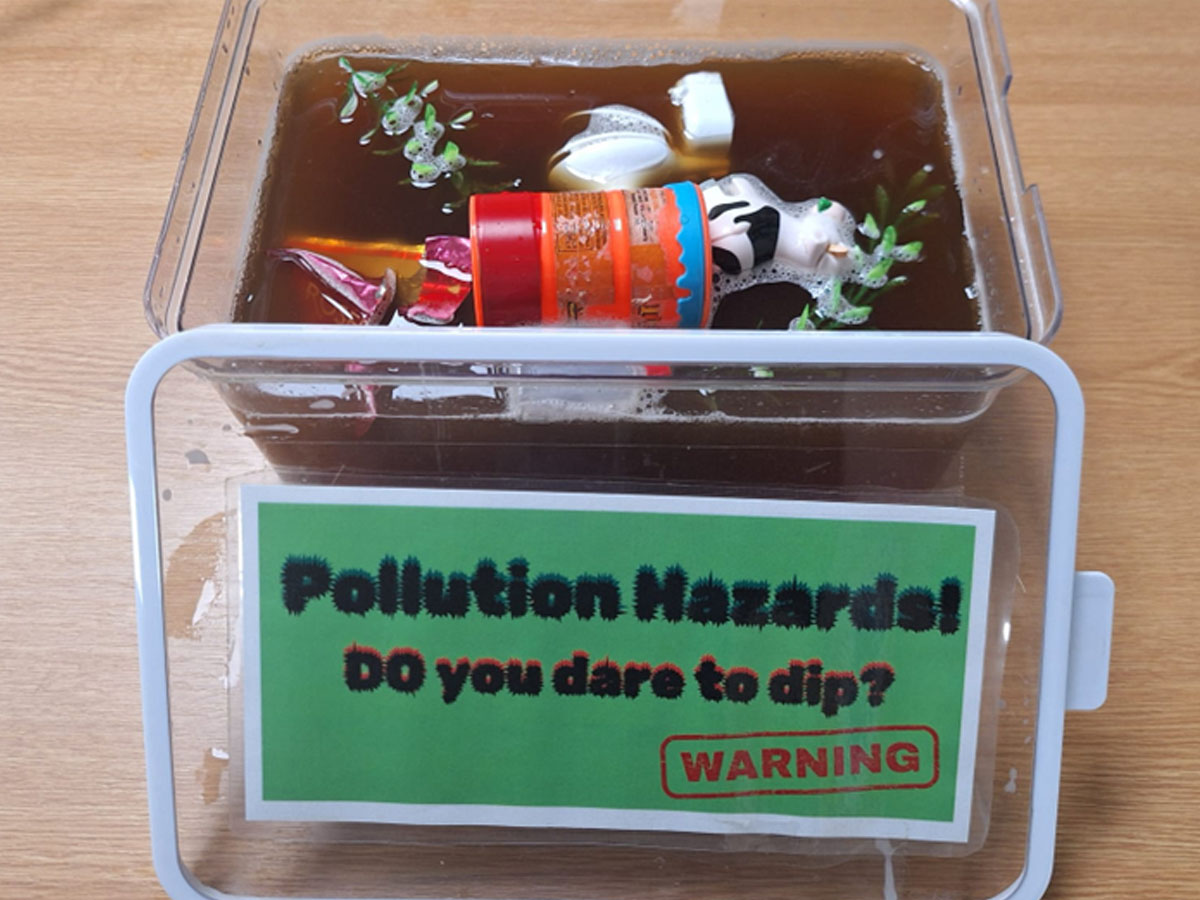
Scrape any leftover food in the bin or compost before you wash up and put any unused milk there too. Cow’s milk, if it gets into our waterways can have a more detrimental effect than sewage! This is because milk has a high biological oxygen demand – meaning it takes lots of oxygen out of water in order to break it down. This can often lead to water becoming depleted in oxygen and there isn’t enough for aquatic wildlife such as fish or invertebrates to breath.
You might have left house hold chemicals such as paints, white-spirit washing or motor oils, pesticides or fertilisers. These shouldn’t go down the sink, always refer to the product information before disposing these in the bin.
Use water smartly
WWF have found that up to a quarter of all rivers are at risk of running dry, and what’s a river without water?
Using less water allows more to be released into our rivers, especially during drought conditions. Whilst using less water during flooding conditions, using less when water is abundant can also help to not overload the sewer systems and then ultimately overflowing into our rivers.
And if you’re on a water meter you’ll save money as well!
I really like these tips the Eden Project have suggested for saving water
Sign up to receive water saving kits and tips from Yorkshire Water and Severn Trent Water
Responsible car washing and keep it free of leaks
If soaps get in to a watercourse they reduce the ability of oxygen to dissolve into water for aquatic wildlife to breathe. Washing your car on the road will means the soapy suds will be going directly into your local water course via the surface water drains. Try washing it on a surface that will soak up the washings such as gravel or grass. If you don’t have access to these take it to a car wash where the washings will be disposed of correctly (many of them are on old petrol stations which have a sump under them).
Keeping your car free of leaks will stop any unwanted chemicals washing off into the surface water drains too. Here’s some more tips for make your car more eco-friendly.
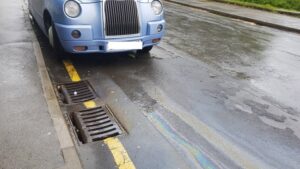
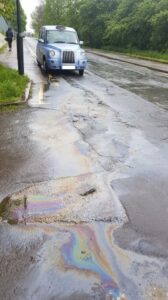
Here’s one I spotted last year, the surface water drain will be going directly into a watercourse.
Use eco-friendly cleaning products around the house
There are many eco-friendly cleaning products out on the market that if they do get in to the environment are less harsh. Also using these means less chemicals and energy are used at sewage treatment works to strip them out compared to conventional cleaners.
Here’s a few recommendations for cleaners:
countryliving.com/uk/homes-interiors/interiors/g30453765/eco-friendly-cleaning-products/
friendsoftheearth.uk/natural-resources/homemade-cleaning-products-5-fantastic-recipes
Dispose of litter in a bin or try to reduce single use
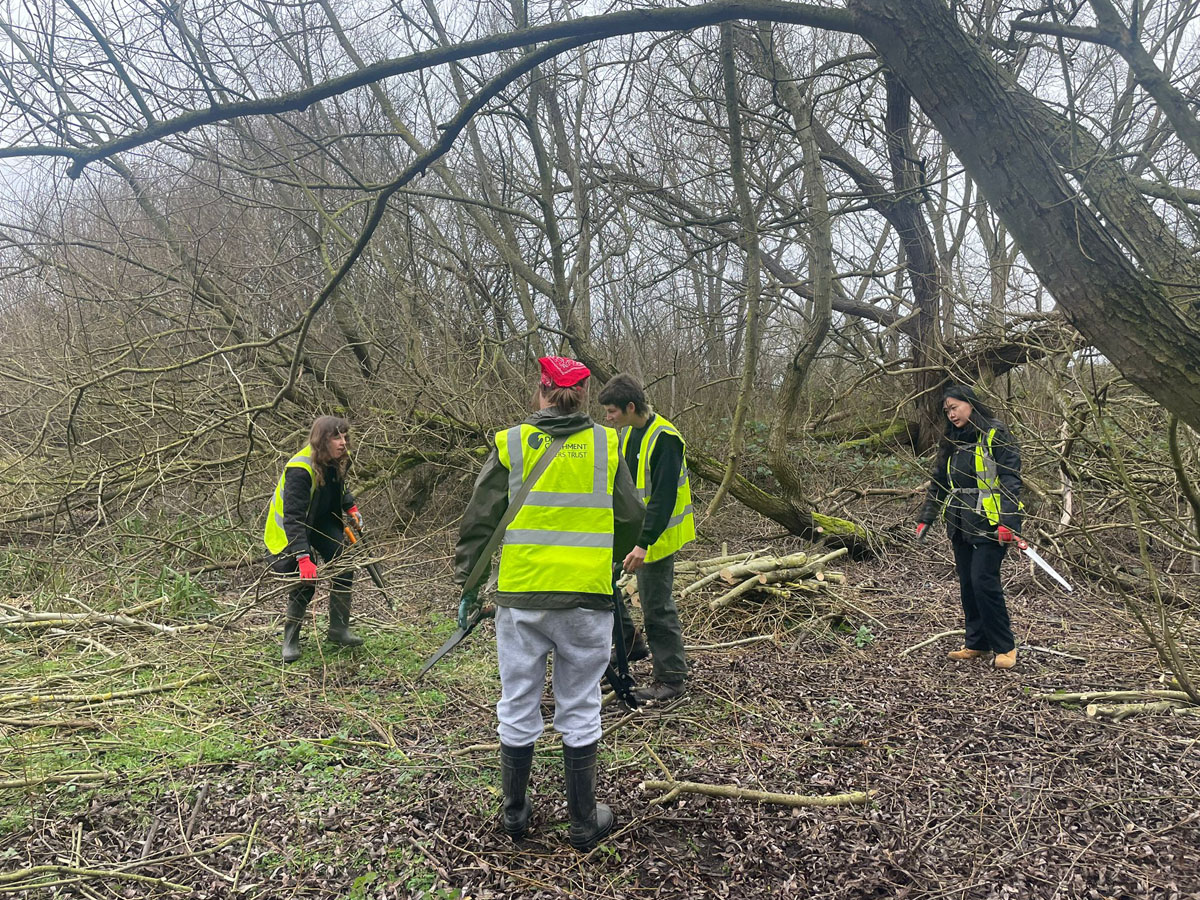
Here at DCRT we pick a lot of litter out of the river. Even if you responsibly dispose or recycle waste materials they still unwittingly can get into the environment. Here are some of the best things you can do to reduce, reuse and refuse –lessplastic.org.uk/9-tips-living-less-plastic/
Follow our ‘NFM in the garden’ feature in our newsletter
Debbie Coldwell, our Natural Flood Management Officer, will be giving us a few ideas of what we all can do in our gardens to help reduce flood risk.