In this blog by Project Volunteer Coordinator Anthony Cox, you will learn about how best to help encourage improve and maintain the wildlife in your garden.
This week is National Gardening week so I thought this would be an excellent opportunity to explain how you can improve your garden to help wildlife flourish and potentially even benefit the river as well.
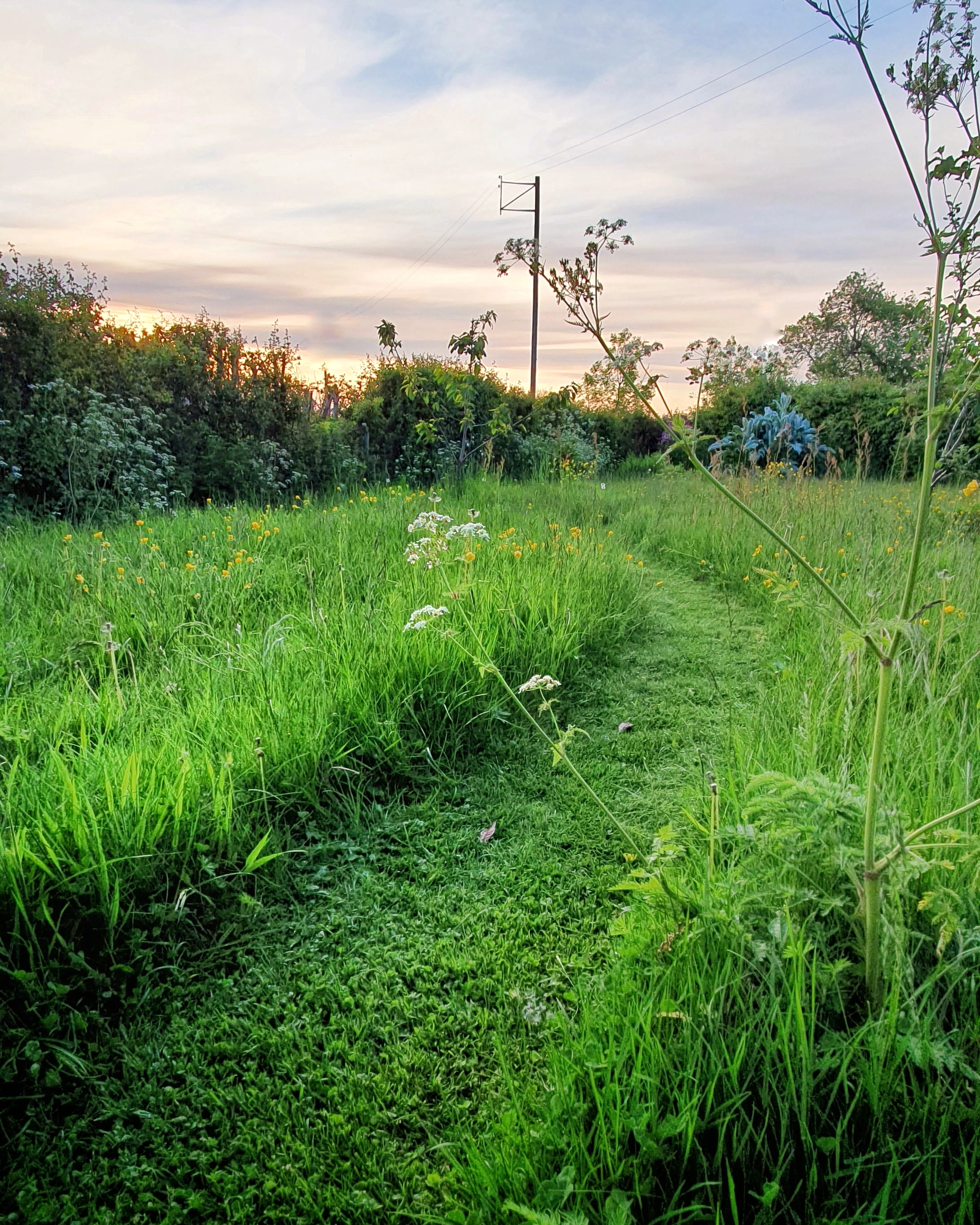
As it is the start of May the best thing you can do is to take part in No Mow May, a campaign where you are urged not to cut your lawn during May. This will allow wildflowers to grow creating sources of pollen for insects that should help reduce the major decline in insects we have experienced for several years now. Despite being small insects are extremely important to our survival as a species. Without insect’s plants would not be pollinated and therefor they would be unable to absorb the carbon dioxide that we breath out and turn it back into oxygen which we need to breath in but also without plants there would be no food for insects. These two forms of life are therefore interlinked and if one of these has a rapid decline then so does the other.
You could also help nature by ensuring that the paving on your driveway is permeable. This means that water can pass through it and enter the ground where it them slowly travels into the river. If you have a non-permeable surface such as concrete, then the water will run off of your driveway and enter the road drainage system where it travels quickly down the pipes and enters the river much more quickly. This in turn increases the risk of flooding as the water should naturally enter the river over a long period of time which will make the river very stay at a constant level for longer that maybe higher than normal, but this will be less likely to flood than if all that water entered the river at once. Click here to read about how Volunteer Barry Caldwell made his driveway more river friendly. You may wonder how can flooding be bad for wildlife? The high amounts of water can wash freshwater fish out into the sea where they will die as they are not adapted to living in saltwater conditions. It can also wash fish and their fry onto the land where they can then become trapped in small pools when the water level lowers, and these pools will eventually fry out also killing the fish.
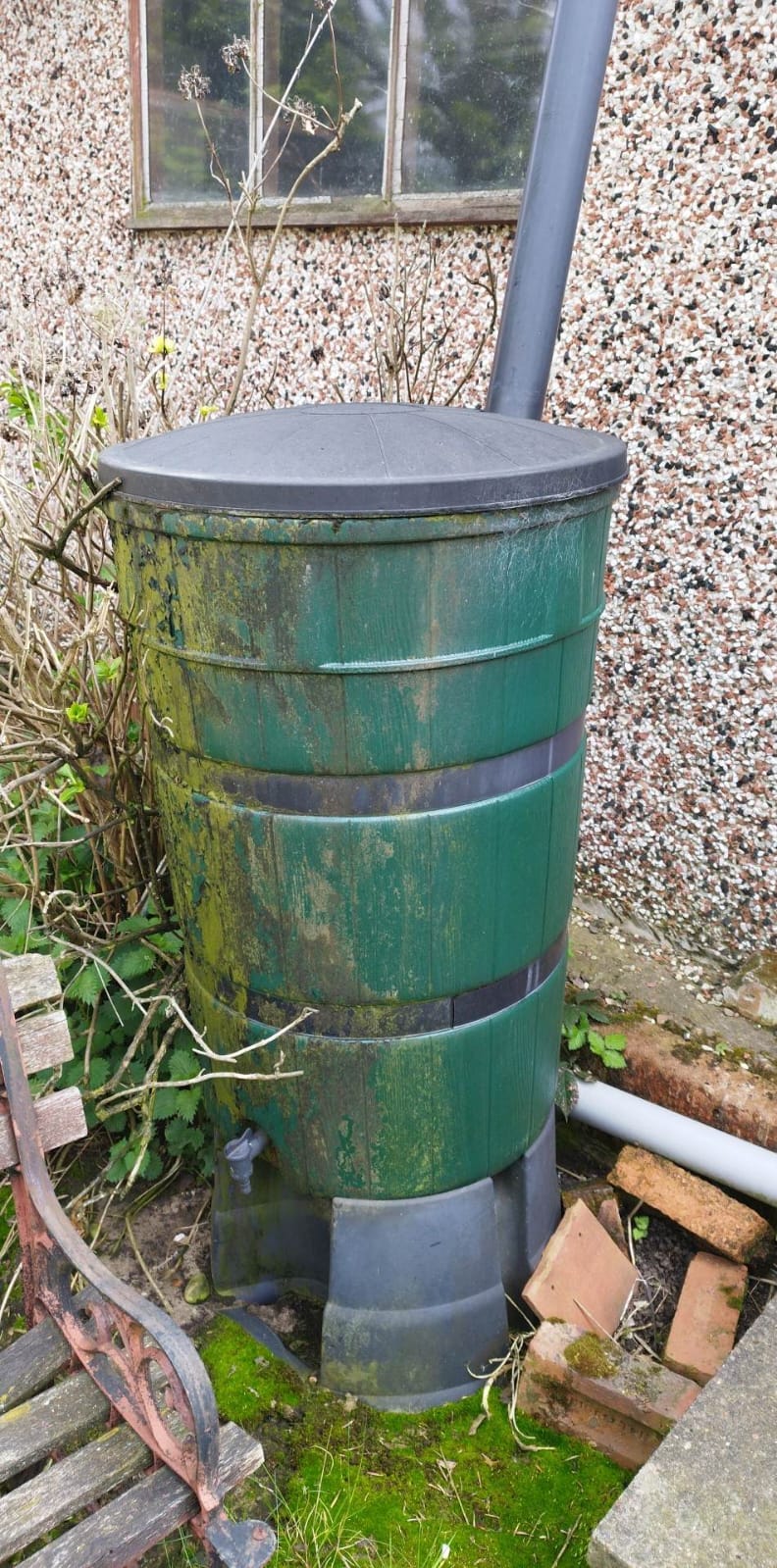
Another way to provide a reduction to flood risk would be to install a water butt. You can connect your water butt to the drainage from the roof of your house or garage to collect water that would otherwise run straight into the drainage system and then straight into the river. You can then use the rainwater you have collected to water the plants in your garden. This will also allow you to water your plants in times of drought when a hosepipe ban is in place.
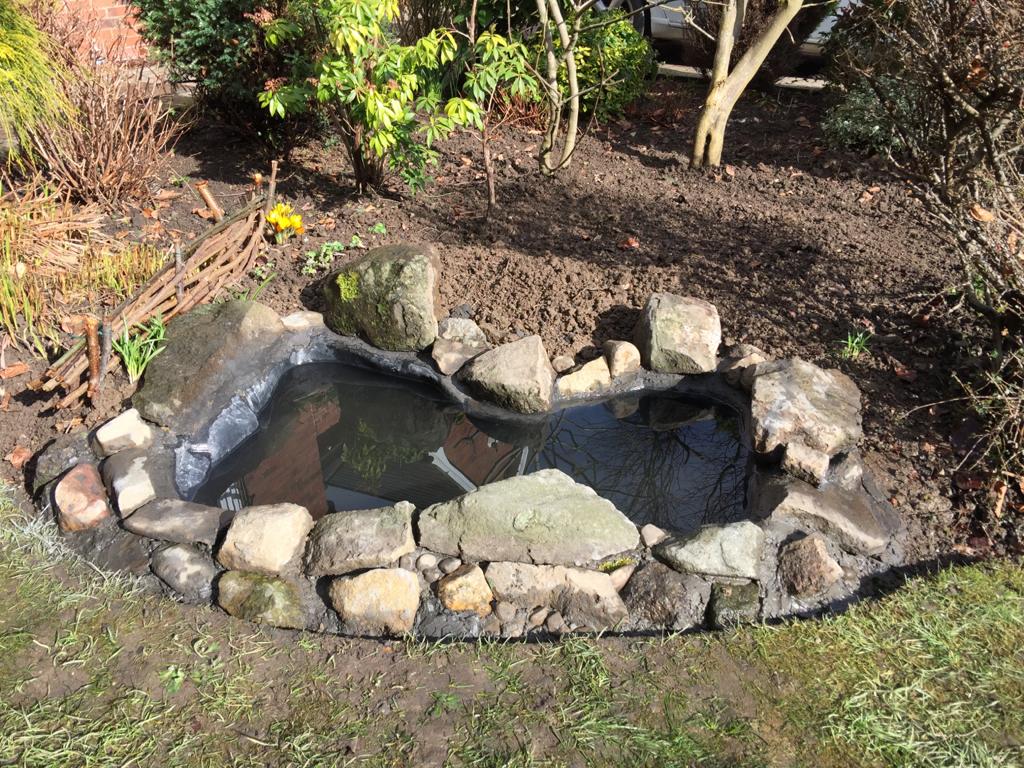
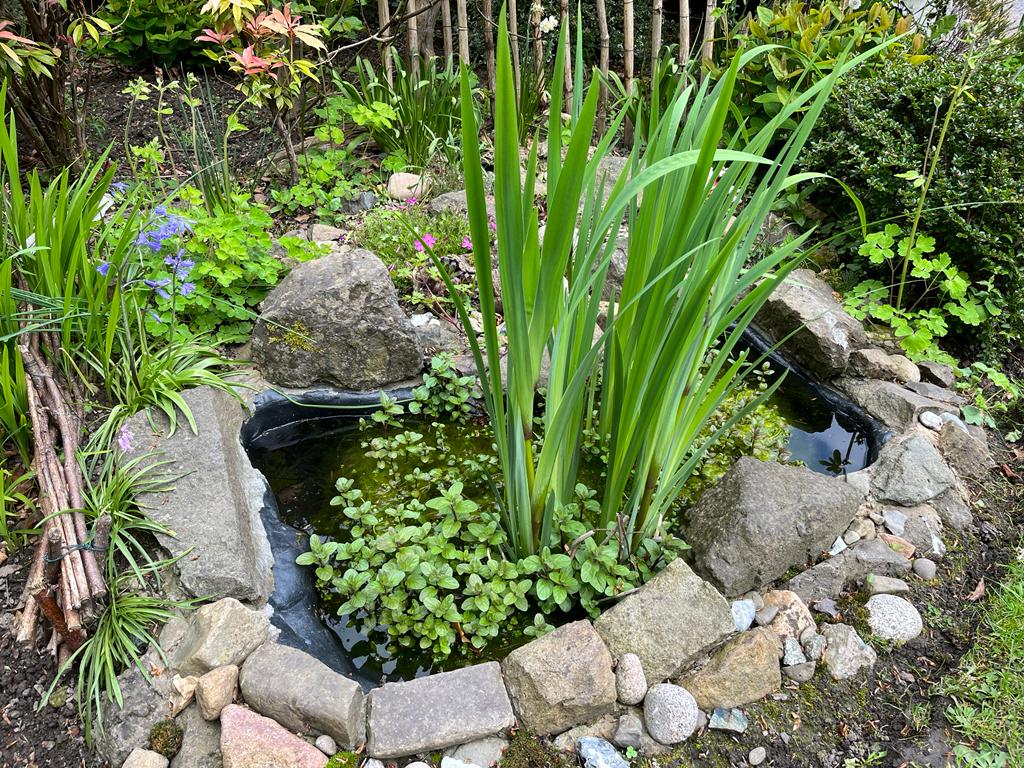
One of the best things you can do in your garden to encourage nature into it is to build a pond. This can also be very easy; all you need to do is find a container that will not allow water to leak out of it (such as an old washing up bowel or sink). Place the container in an area where there is some sunlight but also some shade. This will allow anything living in the pond to gain the warmth and shade it needs to stay warm or cool depending on the time of year. Also allowing it to have sunlight will encourage plant life to grow in you pond providing a source of food for any aquatic invertebrates in it. You can also sink your container into the ground if you would like which will allow more creatures to access it than if it was just left on the surface. Next you will need to build a small ramp from bricks and stones to allow anything to climb in and out of the pond (if the top of your container id flush with the ground, then you will not need to build a ramp in). You must put a layer of gravel on the bottom of the container to create some habitat for anything you would like to live in the pond and then fill the pond preferably with rainwater as tap water contains chemicals that are less beneficial to sustain life in the pond. For a more in-depth step by step guide on building a wildlife pond please click here.
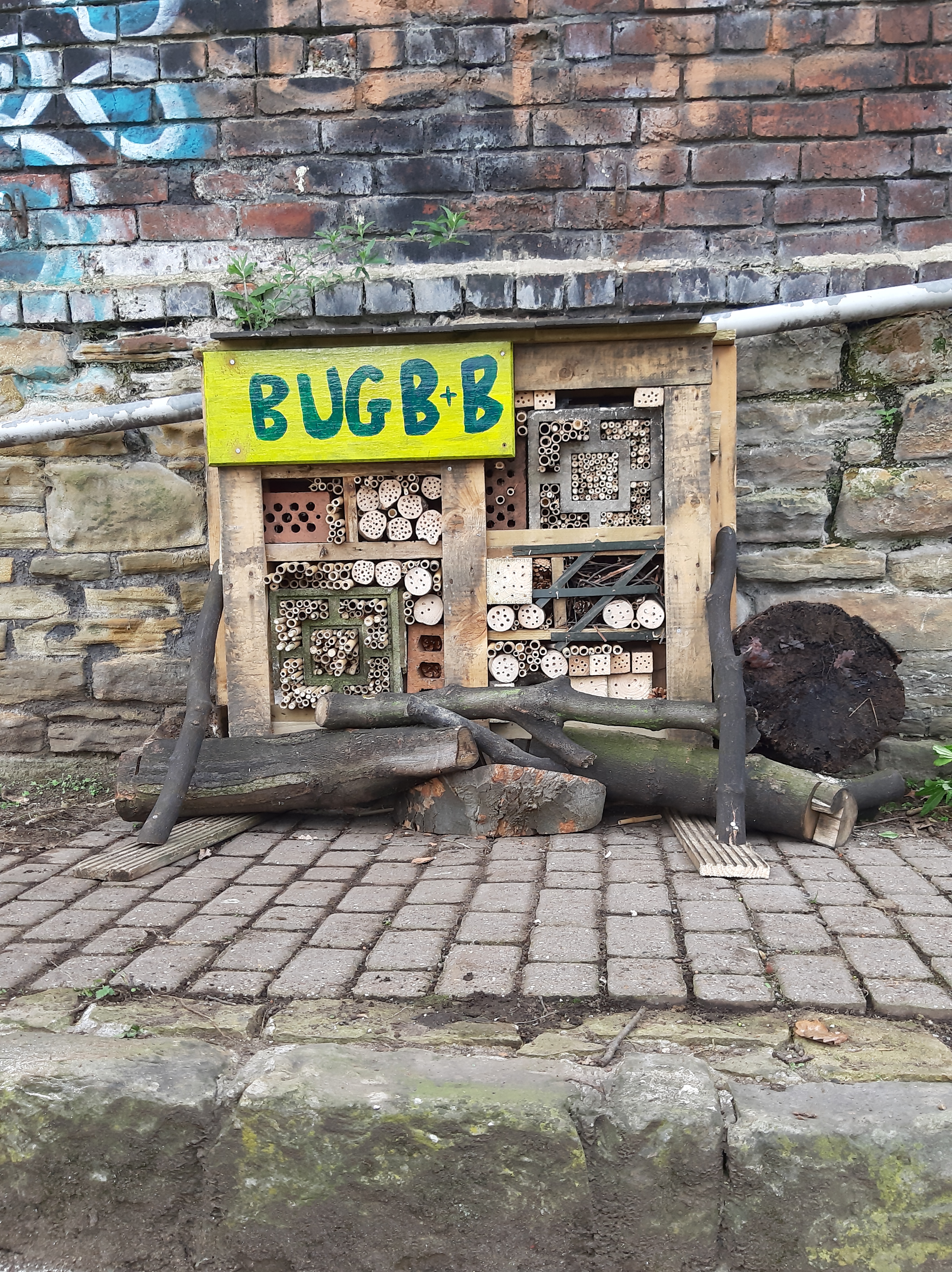
Bugs sometimes need a place to stay, and you can help them by getting them to check in to a bug hotel in your garden! Creating a bug hotel can be super easy all you need is to create a space that has lots of little hidey holes for a whole manner of insects. You can sue stones, wood, bamboo, leaves, cardboard, grass cuttings and anything you can think of that is made of plant material. The main example you will find would be made from an old pallet however you can use anything really, this is something you can get creative with. However, if you have a dog as I do I would not advise that you put sticks in your bug hotel as you best fury friend might come along and dismantle the bug hotel by removing these. For more inspiration click here to watch a video I made in lockdown where I built a bug hotel in my garden.
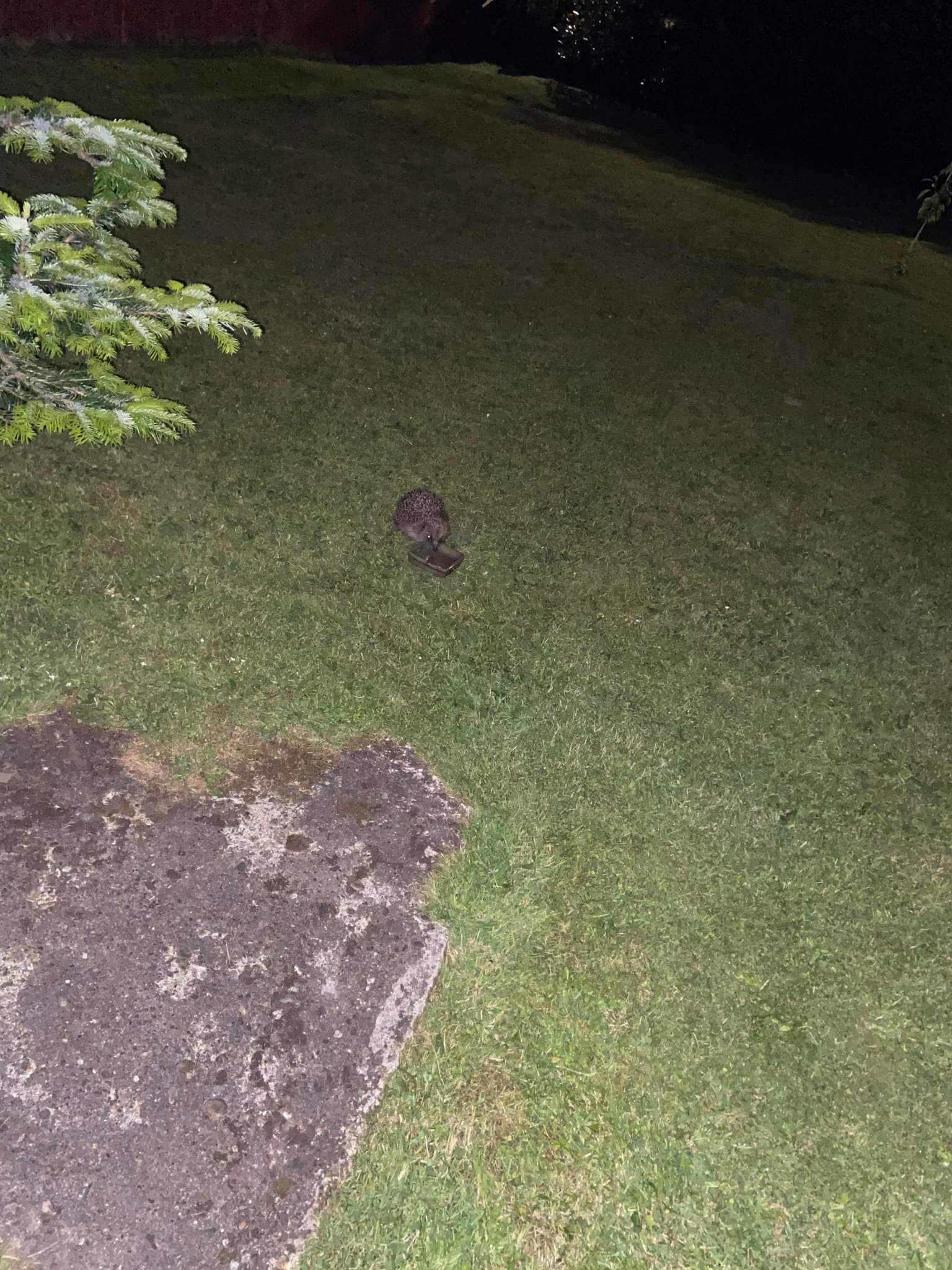
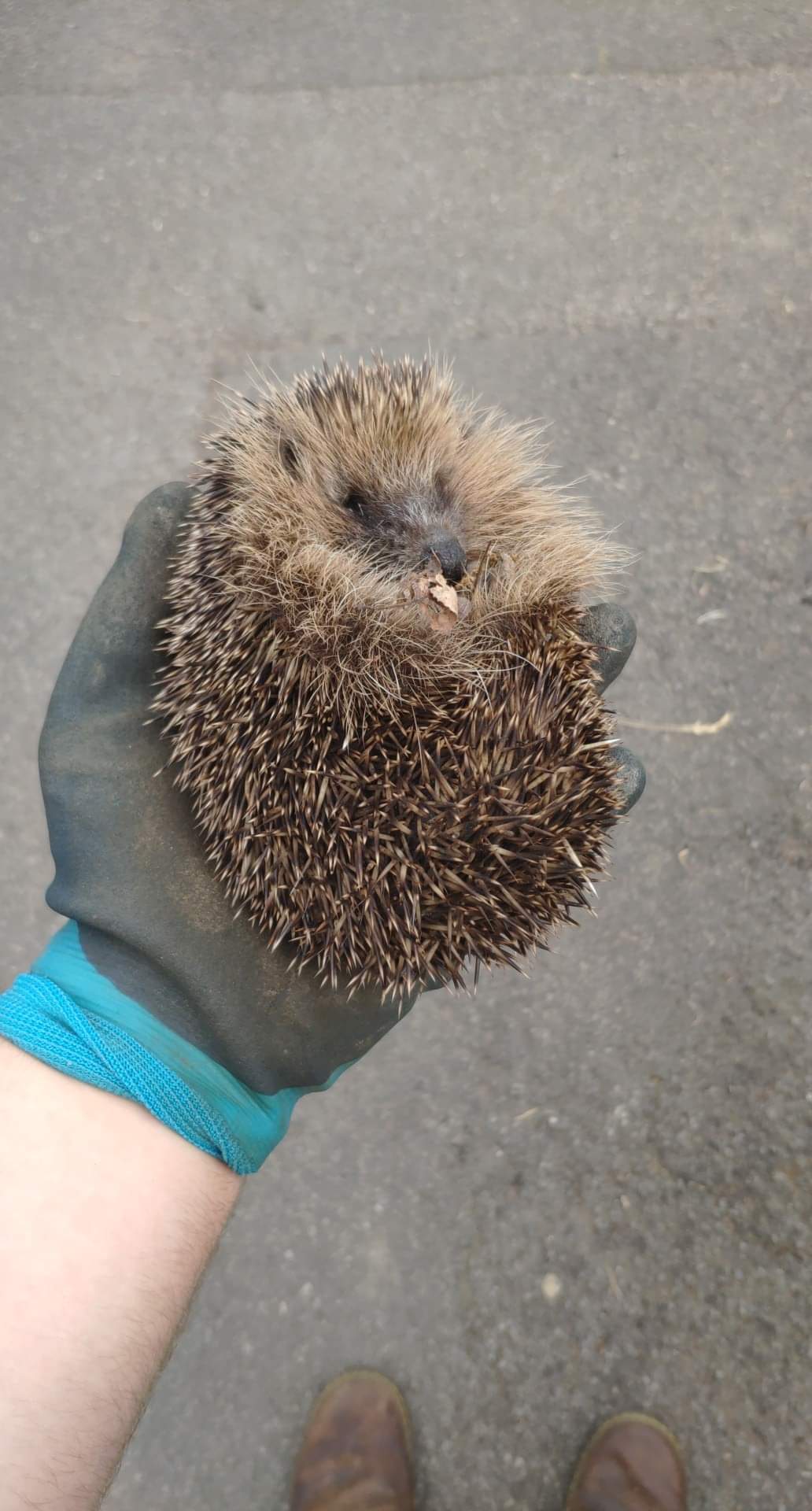
Hedgehogs have been declining for several years now as they need to be able to roam over large areas. They are coming across more and mor obstacles in their paths including garden fences. The average modern garden fence is an impassable barrier to a hedgehog preventing it from passing from one garden to another. A way to allow the hedgehog to pass into your neighbour’s garden would be to install a hedge instead of a fence so that the hedgehog can run beneath it, a hedge would also provide habitat for nesting birds. However, I do understand that this is not always possible as you may have a dog that you don’t want to pass into the neighbour’s garden so instead you could create a small hole in the fence for the hedgehog to pass through. Your hole needs to be 13cmx13cm and needs to be well sanded down so that there are no splintery edges that may damage the hedgehog. Please make sure you have the agreement of your neighbour before cutting a hole in the fence. To learn more about hedgehog holes please click here. You can also provide a hedgehog with a hedgehog house that will provide a safe place for them to sleep, nest and hibernate throughout the year. You should clean out the hedgehog house in late September to reduce the risk of spreading diseases between hedgehogs. To read about my hedgehog rescue and learn more about how you can help hedgehogs please click here.
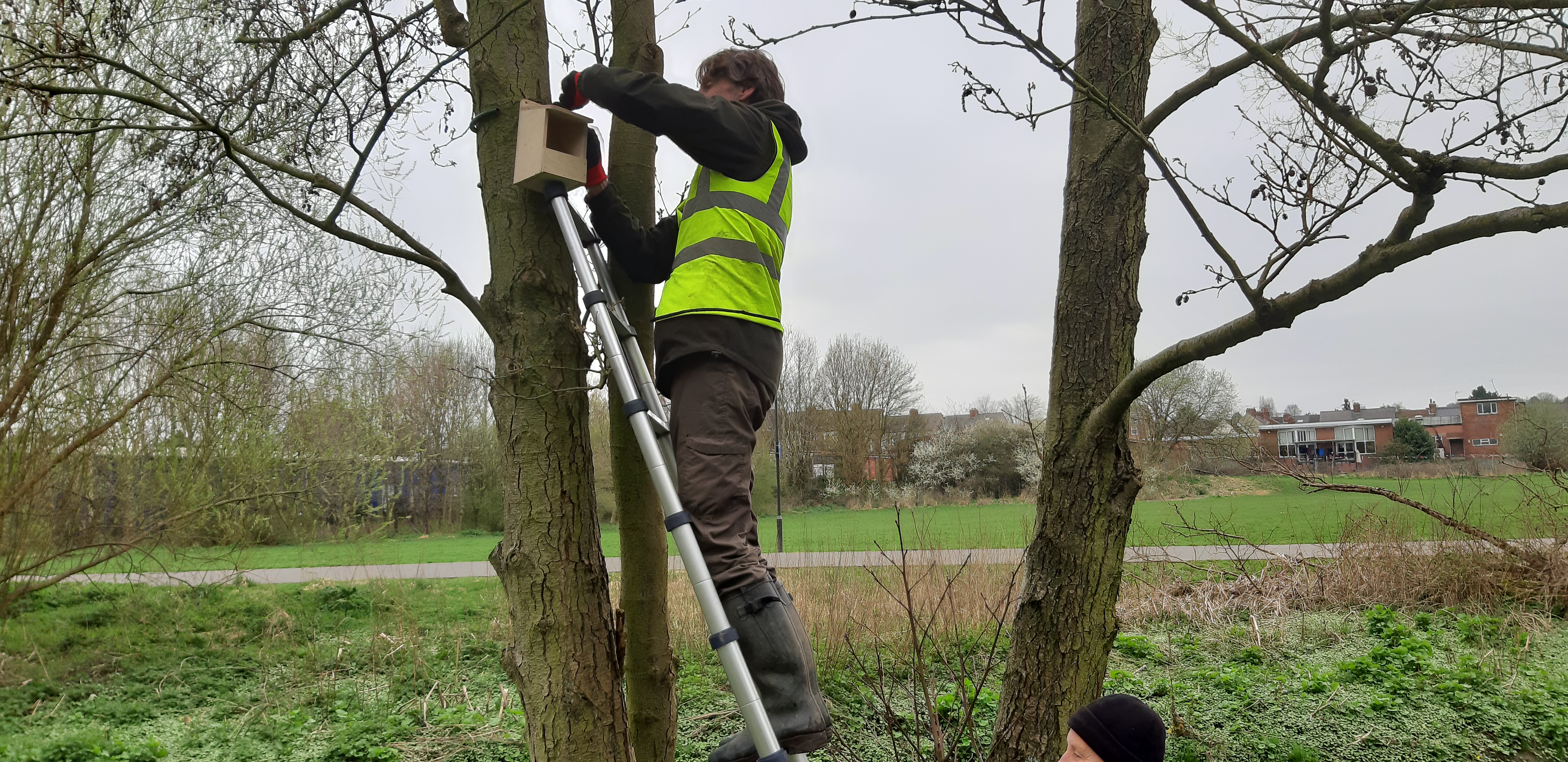
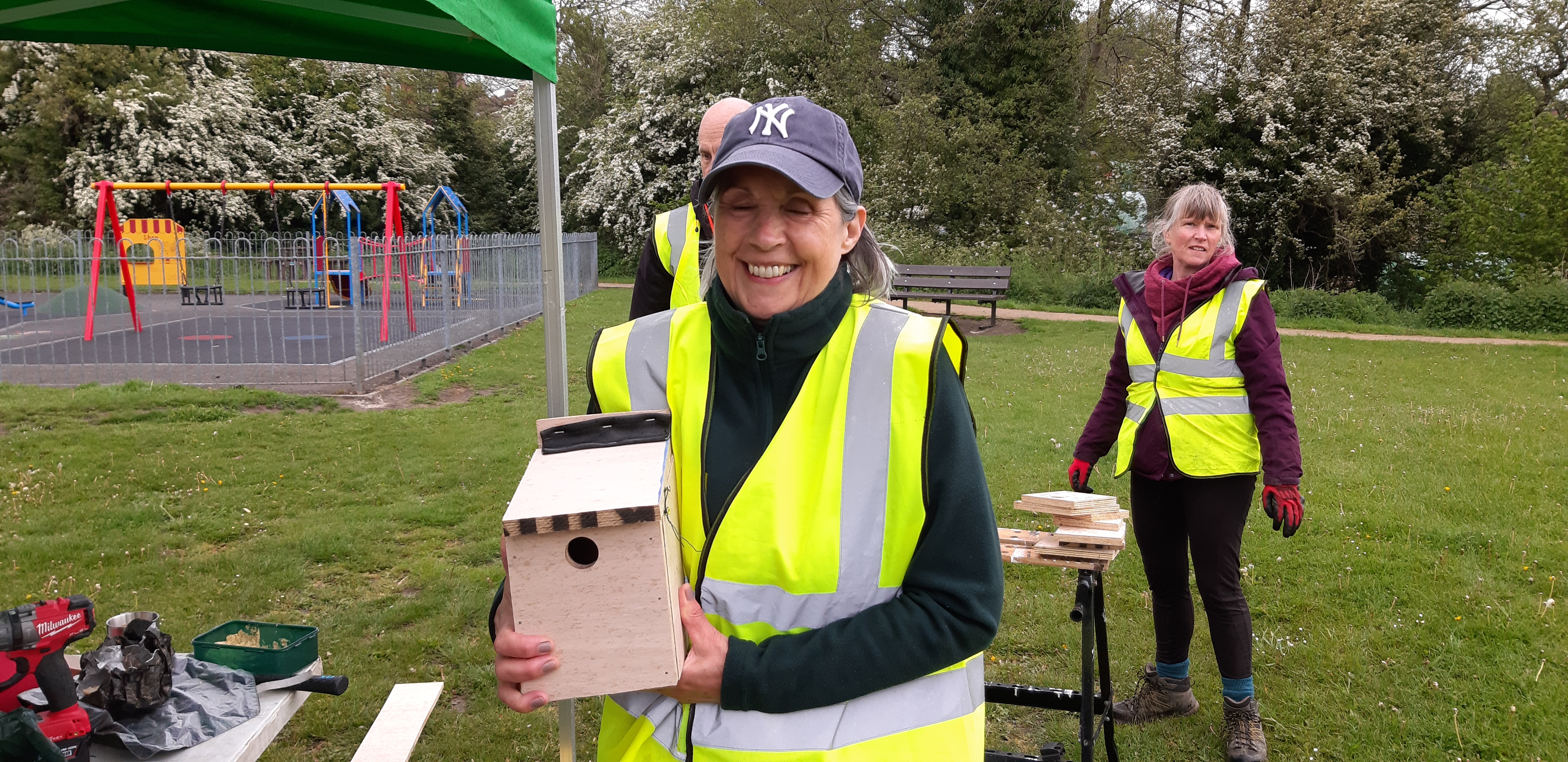
Finally, you can help the bird life in your garden by putting up bird feeders. This will allow a whole range of birds to come into your garden to feed. You will need to provide a range of food as different birds will ear different things. Finches prefer to eat seeds however all birds will feed their young on insects, so it is good to put out insect food in the spring and summer rather than seeds. When you refill your bird feeder make sure to wash it out to reduce the risk of spreading diseases. Also ensure that your bird feeder is well away from the fence to ensure that the birds on not susceptible to being leapt upon by cats. You can also provide a bird bath as the birds also need to wash themselves to keep their fevers in good condition. This is a great way to get children interested in nature and allow them to see the beauty of our wildlife from their window. Another great thing to do is to install a bird box which will allow birds to have a safe place to raise their young. For more information on how to put up a nest box please click here. Another important thing to help birds would be to not cut back or cut down any dense or thick vegetation during the nesting season (beginning of March – end of July) to ensure that you do not damage any existing nests.
If you try any of these ways to help nature in your garden, we would love to hear about it via our social media pages.
Twitter: @DonCatchmentRT
Facebook: Don Catchment Rivers Trust
Instagram: @don_catchment_rt